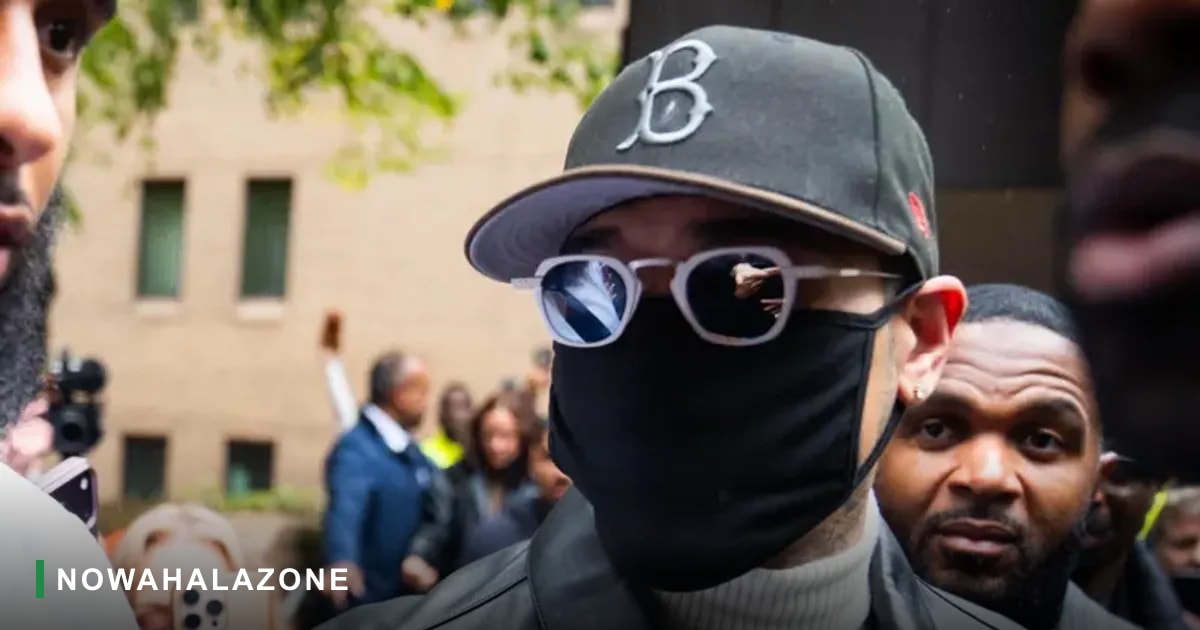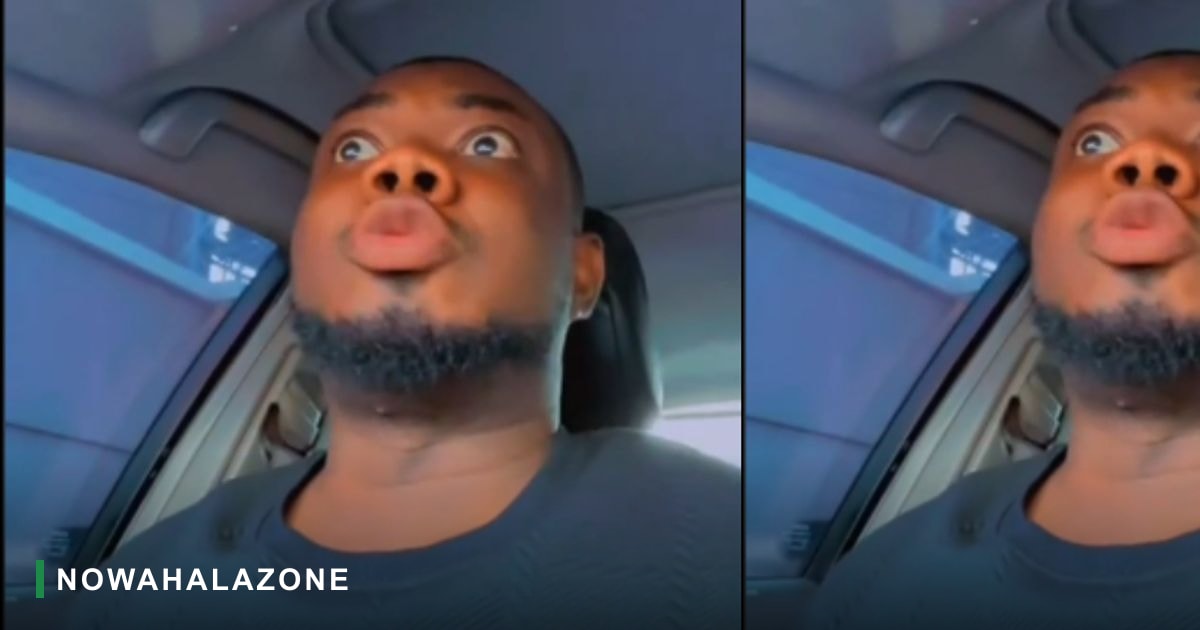

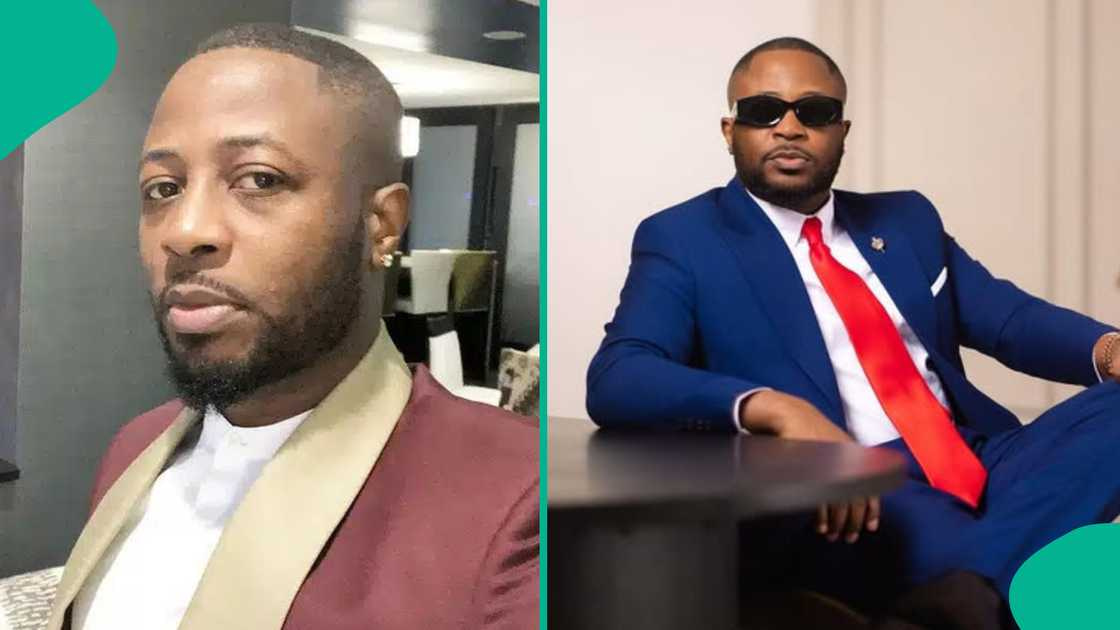
What happens when a single Instagram post rattles the mighty and powerful? In a country where freedom of expression can sometimes feel like a luxury, Tunde Ednut, the popular media personality and Atlanta-based Instagram influencer, has sparked a fresh debate about truth, power, and the role of social media in Nigeria’s public life.
It all started with a flurry of late-night calls, unexpected DMs, and whispered warnings from unnamed but “powerful people.” Why all the fuss? According to Tunde Ednut, every time he shares posts exposing the challenges and suffering faced by ordinary Nigerians, certain prominent figures allegedly swarm his inbox, urging him—sometimes not so subtly—to pull down his content.
Imagine getting pressure from those at the very top, just because you shed light on what ordinary folks experience daily! For many young Nigerians hustling to survive, this story hits home. As Tunde himself bluntly put it:
“When I post about how people are suffering in Nigeria, powerful people start calling and texting me to delete the posts.”
Issuing Warnings: Tunde Ednut Draws the Line
Not one to mince words, Tunde Ednut—well known for his close association with Nigerian superstar Davido—did not take the warnings lying down. His page became a stage not just for celebrity gist but for outspoken criticism of Nigeria’s hardships. Tunde made it clear in his fierce rebuttals:
“To anyone watching, if one more person calls me and tells me to take down posts about Nigeria, Ogun o kee you, I go swear for you. Let this be the last time. I will expose you, and I will post our recorded conversation. Don’t call me.
“If Nigeria was working, I would have not escaped. I am not a supporter of APC; see me as an opposition,” he added.
Why, he asks, are they more interested in deleting posts than solving the actual problems Nigerians face? This question is on the lips of many, especially those who feel unheard by leaders. According to analysts, this episode reflects a much deeper tension in Nigerian public life: the struggle between those who want open dialogue and those who see candid discussion as a threat. As everyday people keep saying, “If no be for social media, some things go just dey under carpet.”
Spotlight on Nigeria’s Health System
The conversation didn’t stop at censorship. Tunde Ednut went further to criticise the state of Nigeria’s healthcare, echoing frustrations felt across the country. From lack of hospital beds to cases of families crowdfunding for treatment, the cracks in the medical sector are visible for all to see.

Source: Instagram
“Tell me, how can the president of a whole country not trust the healthcare system of the nation he leads, yet fly abroad for treatment? Imagine, he believes more in the healthcare of other countries than in his own,” he said.
As observed on his platform @mazitundeednut, Tunde continues to call out these alleged attempts at silencing, challenging anyone trying to erase the struggles of Nigerians from public view. This boldness in speaking up is something many Nigerians admire. But it doesn’t come without its risks—in a society where the messenger can be as much a target as the message.
Why Are Influencers Like Tunde Ednut Feeling the Pressure?
It’s not every day someone opens up about the “phone calls from above” they get just for voicing the realities of struggling citizens. But why does this matter? In a nation of 200 million voices, influencers like Tunde Ednut have become a key bridge between government and the street.
- Visibility: Social media amplifies issues previously hidden, giving the average Nigerian a chance to be heard.
- Accountability: Pressure from public criticism can nudge authorities to action—or, at a minimum, force them to respond.
- Risk: However, the bolder the revelation, the stiffer the resistance from those called out, as Tunde’s experience shows.
A Lagos-based communication analyst pointed out that attempts to silence dissent actually draw more attention to the underlying issues. “When an influencer like Tunde cries out, people listen—home and abroad,” she noted.
Reactions to Tunde Ednut’s Outcry: Nigerians Speak Up
As expected, the story set social media abuzz, with fans and critics alike weighing in. Many shared their own encounters with power dynamics in Nigeria, while others applauded Tunde’s courage.
From Instagram reactions to streetside debates, the story trended quickly, showing how deeply these issues resonate nationwide.
Curious what the people had to say? Some comments, as seen on Instagram, captured the nation’s mood:
“I STILL DEY IN SCHOCK, FOR THE LAST PERSON WEY CALL YOU. STILL CAN’T BELIEVE. A WHOLE.”
longmon3y commented:
“I feel your pain, bro. It honestly breaks my heart to see how a country as rich and blessed as Nigeria still struggles with something as basic as healthcare.”
alyusrohmodestwears said:
“Tunde, you no go ever know sorrow. Imagine having like 10 people like tunde, Nigeria for get hope.”
hypeman.morgan wrote:
“Imagine person wey America don give citizenship still this patriotic about Nigeria, whereas some p00r Nigerians who cnt even afford traveling to Ghana, same ones who are directly affected by these b@d politicians are busy defending these same politicians cos they’re tribe mates or for peanuts.”
benbills007 said:
“Nigeria is actually very easy to fix,but the problem is the mindset of our leaders..They don’t see Nigeria as Home,that’s why their family members are all abroad.”
n6oflife shared:
“E good as you don officially clear them.”
One thing is clear: Nigerians are tired of being told to sweep their pain under the rug. Everyone wants a nation where leaders listen, not hush.
From Gist to National Conversation: Tunde Ednut, Rita Daniels, and the Power of Public Opinion
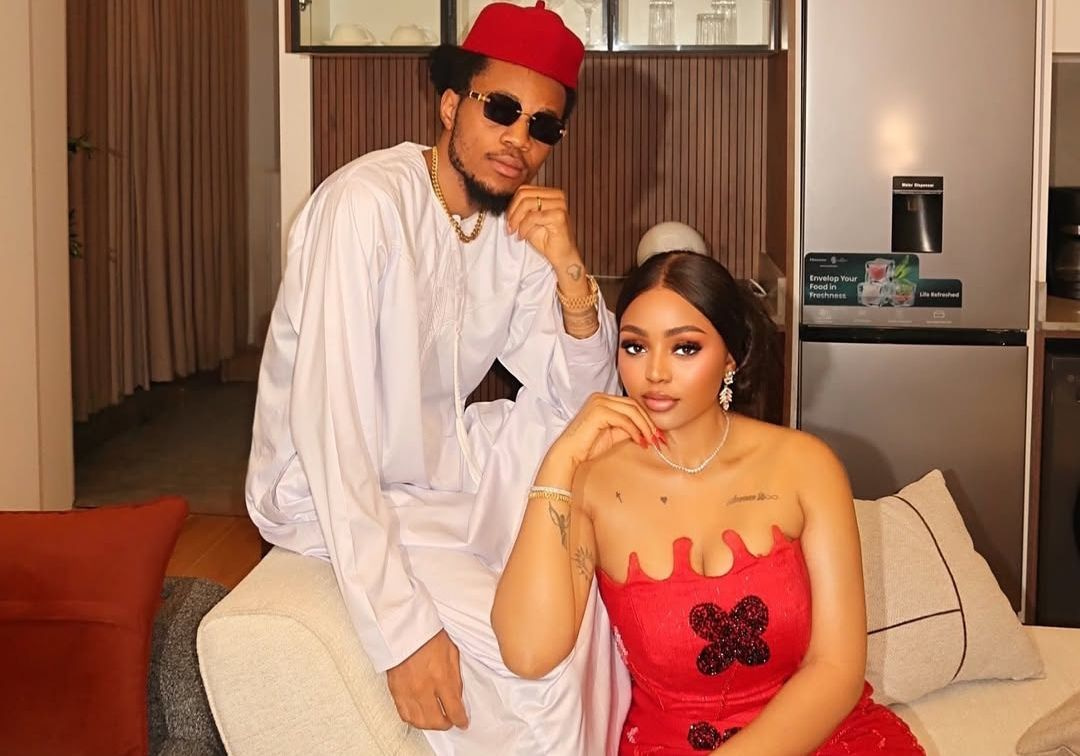
The discussion didn’t end there. In a twist worthy of a Nollywood script, Tunde Ednut also responded to actress Rita Daniels’ claim that Regina Daniels contributed a whopping $50,000 (over N71 million) to her husband Ned Nwoko’s political campaign. Talk about palava! Tunde noted it felt surreal to see public narratives flipping—that anyone would even suggest Ned married Regina for money.
Stories like this are more than celebrity gist—they highlight shifting perceptions around power, influence, and gender roles in Nigerian society. The social media age, with its mix of hot takes and hard truths, is shaking old beliefs and asking tough questions of the status quo.
“Na Gina dey feed am nah. The babe helped his fallen star The man na I get Am before,” a netizen said, reacting to Tunde’s post.
Is Social Media Becoming Nigeria’s New Town Hall?
From Abuja to Atlanta, it’s clear the digital stage is no longer just for laughs and entertainment. For many young Nigerians, online platforms offer the kind of transparency, debate, and accountability that feels scarce offline. But they also put content creators right in the crosshairs of scrutiny—sometimes from quarters that prefer silence to sunlight.
Today, Nigerians at home and abroad are asking: Who gets to control the narrative? Are attempts to suppress tough conversations a sign of strength or weakness in our democracy? One thing is sure—when one voice dares to speak the truth, others find courage to follow.
What about you? Do you believe social media should be a tool for truth-telling, no matter whose toes are stepped on? What’s your take on Tunde Ednut’s experience and the future of uncensored Nigerian conversations? Drop your comment below and keep the conversation going!
Have a story, tip, or perspective on issues affecting Nigerians? Share your experience or get your story featured by reaching out to us! Email story@nowahalazone.com—your voice matters.
For general support or inquiries, contact support@nowahalazone.com.
Stay updated and join our online community: follow us on Facebook,
X (Twitter), and Instagram for more fresh gist and analysis.
Together, let’s amplify real stories—no matter whose ox is gored!