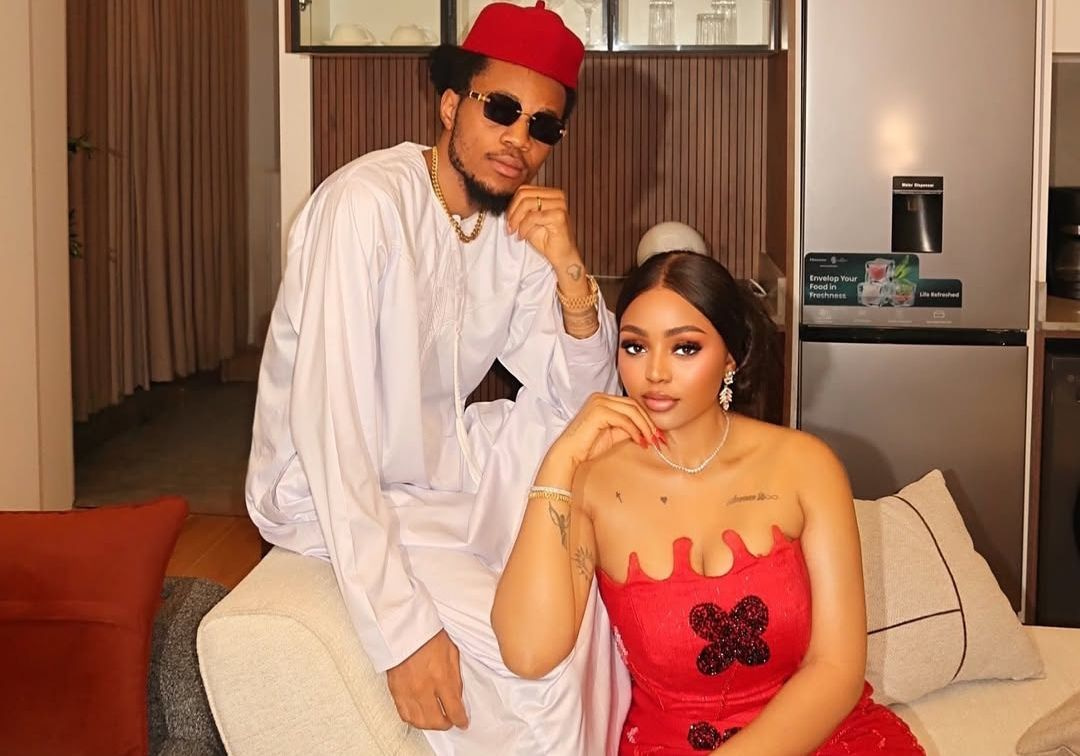

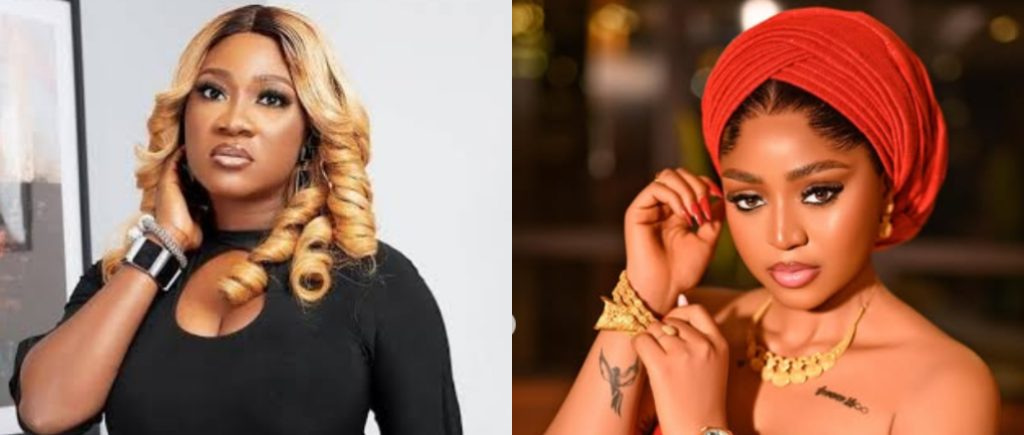
What happens when one star lifts another, not just on the glitz of the red carpet but during the darkest, quietest moments? The latest buzz in Nollywood brings us up close to the heartwarming connection between two screen queens, as Regina Daniels lays bare an emotional “thank you” to the legendary Mercy Johnson. This isn’t just another celebrity exchange—it’s proof of how genuine sisterhood endures, even in the unforgiving glare of fame.
It’s not every day you see a public display of gratitude that paints stardom in such human colours. In a moving Instagram post, Regina called Mercy her “mama,” marvelling at how the veteran actress quietly stayed by her side during a tough season—running those unseen errands, making sure things didn’t fall apart. Her words drip with genuine awe: “My mama why you too love me though? Everyone, how could the legendary Mercy Johnson be running around for over a week?”
Isn’t it humbling? For many Nigerians, this simple exchange is a reminder: no matter your status, we all need pillars of support. Sometimes, the most powerful things happen behind the scenes—far from the flashbulbs and red carpets.
Catch the original post here:
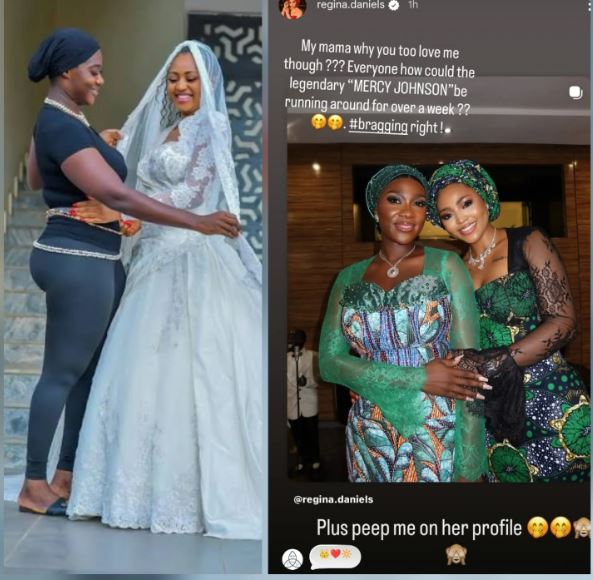
Nollywood Sisterhood: Beyond the Fame and Cameras
In the busy lanes of Nollywood, friendships can be as slippery as Lagos rain. But Regina Daniels’ honest appreciation for Mercy Johnson cracked open a conversation about solidarity in the Nigerian entertainment industry. What’s the real meaning of support when you’re constantly in the public eye? It isn’t just about social media shoutouts or glamorous selfies.
Instead, it’s the unseen moments that count—like waking up at odd hours to help a friend in need, or fighting quietly for each other’s well-being. People across Nigeria can relate. Who hasn’t called on a neighbour or “auntie” during life’s wahala? This inside story from Nollywood resonates because it reminds us: the biggest names still cherish those very Nigerian values of communal strength and sincere gratitude.
Lagos Undercover: Inside the Shocking Realities Facing Vulnerable Women
Now, let’s shift our gaze to a different side of Lagos—one that’s less talked about but cries out for change.
An explosive investigation by Nigerian storyteller Kizito has shone a bright light on the hidden struggles of women engaged in sex work across the city. His recent findings, shared in a series of social media posts, reveal harrowing stories of routine harassment, financial exploitation, and moral judgement. Yet, the most distressing claims come from repeated accusations of police abuse.
According to Kizito, several women detailed troubling encounters when faced with arrest: “When we’re arrested by the Nigerian Police and don’t have money for bail, we’re forced to pay with sex.”
These stories have sparked outrage, worry, and deep reflection across Nigeria. How is it that in a country celebrated for its lively culture, women are still so vulnerable to such indignities? According to community advocates, these are not isolated events—women in these circles often face:
- Frequent police raids and harassment
- Unreasonable daily levies just for working
- Lack of basic security and health protection
- Crippling social stigma and isolation
For many, the living conditions are a far cry from the “Eko for Show” reputation—crowded rooms, makeshift shelters, and little access to support or justice. It’s a sobering reminder: while the city pulses with opportunity, its underbelly tells a different story, one of constant struggle for dignity.
Reactions Across Nigeria: Will Things Ever Change?
Reports of police abuse and the broader treatment of sex workers have ignited heated debate on social media and in markets across the country. Nigerians from Surulere to Sokoto are demanding accountability. Civil rights groups have called for an independent investigation, urging authorities to address not just the allegations of misconduct, but the root causes that leave so many women exposed and exploited.
According to UN Women, issues of gender-based violence and vulnerable women’s rights are not unique to Nigeria, but the country must confront its own realities head-on. Local NGOs continue to advocate for:
- Better policing standards and transparency
- Increased social services and access to legal aid
- Public education to reduce stigma and discrimination
- Community-driven support programmes
But change is never straightforward. Some voices caution that reform takes time, pointing to similar struggles in other West African nations. Others fear that without long-term commitment, these revelations will fade from memory—just another passing headline. As legal experts note, allegations must be thoroughly and responsibly investigated; every Nigerian deserves protection under the law, regardless of background.
The Unheard Stories: Why This Matters for Every Nigerian
From Nollywood sisterhood to the hidden pain on Lagos streets, these stories echo a wider struggle for compassion, justice, and sincere community in Nigeria. Whether you are watching your favourite movie or hustling under the hot sun, it’s those little acts—of looking out for the next person, standing up for what’s right—that define who we are.
So, here is the real question: In what little ways can each of us make our country more caring, more protective of the vulnerable, more proud of our togetherness? As conversations continue online and offline, may these stories remind us that bold change starts with everyday moments of solidarity—just like Mercy Johnson did for Regina, and as we, as Nigerians, can do for each other.
What’s your view on the realities faced by women in Nigeria? How can we all be better neighbours? Drop your comments below and let’s keep this important conversation going.
Do you have a story or tip to share? Your experiences matter! If you’ve witnessed something newsworthy, have an inside scoop, or want your story featured, reach out to us at story@nowahalazone.com. Your voice could spark the next big change in our community.
For general support or questions, contact support@nowahalazone.com.
Stay up-to-date, join the conversation, and never miss a headline—follow us on Facebook, X (Twitter), and Instagram.