
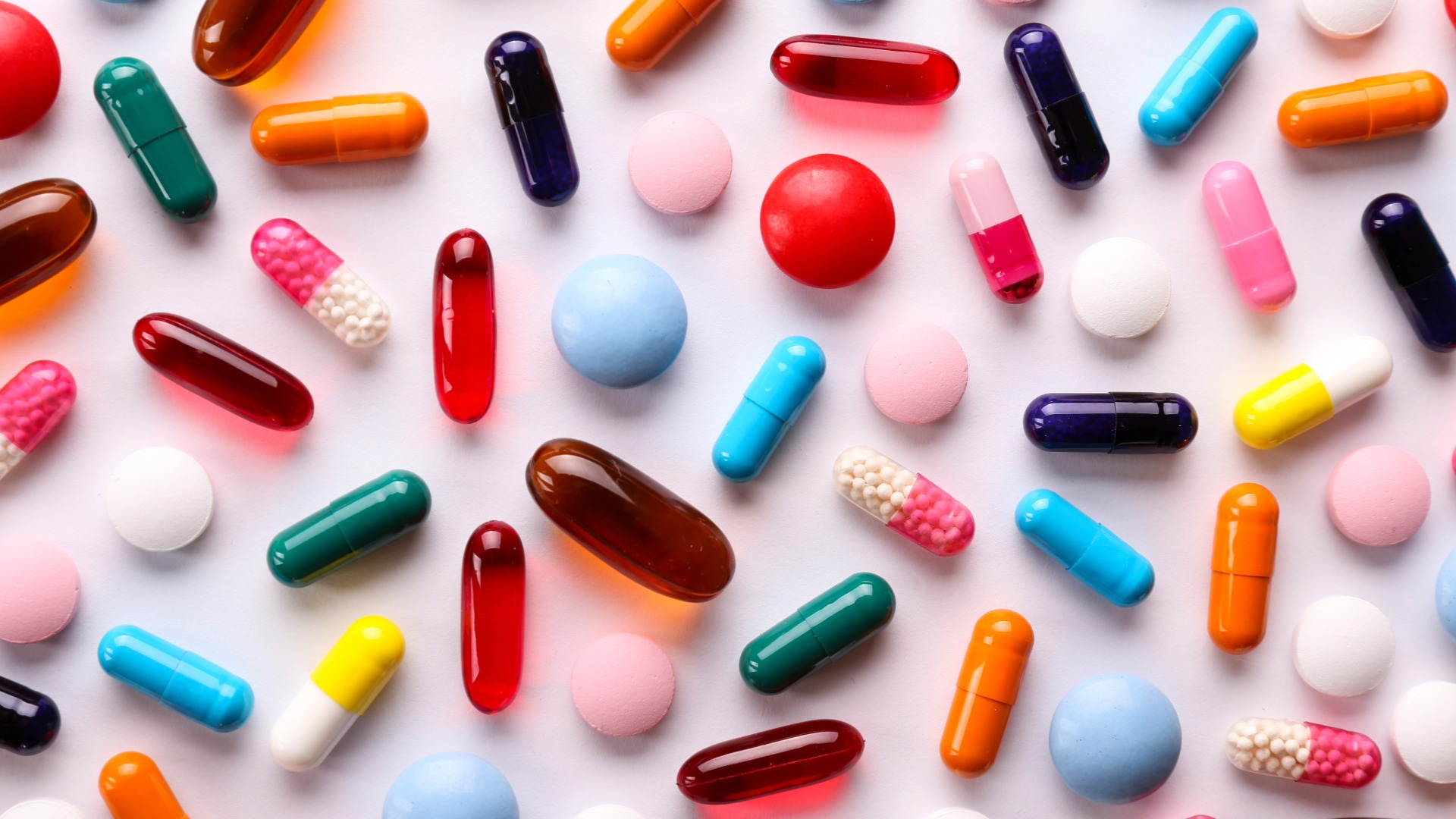
If you’ve ever looked at your stash of painkillers and “natural” supplements and thought, “No wahala, it’s just herbs!” — this article will make you pause. Here’s the shocking truth: even our beloved homemade remedies and “over-the-counter” medicines can quietly wreak havoc in our bodies, especially on one of our hardest working organs — the liver. The explosive rise of supplement-induced liver damage is sending even young, healthy Africans to the hospital. But how did we get here, and how much is too much when it comes to natural products said to be safe? Let’s dig deep into what every Nigerian should know before swallowing the next capsule.
Is “Natural” Always Safe? Unpacking the Rise in Supplement-Induced Liver Damage
Picture this: a fit, energetic woman from Ikeja, Lagos, suddenly finds herself yellow-eyed and terribly weak. Her only “crime”? Mixing several “wellness” teas, slimming supplements, and headache pills weekly — all labelled “herbal” or over-the-counter. According to pharmacist Thembeka Gule of Medipost Pharmacy in South Africa, “Just because something is called ‘natural’ does not mean it’s risk-free. The liver is the main gatekeeper, cleaning up everything we consume. But once overwhelmed, serious trouble follows.”
Across Africa, awareness is low but the risks are growing. In South Africa, even Gule admits the exact number of supplement-linked liver troubles is unclear, but the fear is real. And globally, it’s alarming: a 2024 U.S. report highlights over 15 million people taking potentially harmful “natural” supplements, with weight-loss products singled out as especially fraught. While official Nigerian statistics on supplement-induced liver injury (DILI) aren’t published, doctors in Lagos and Abuja confirm a dramatic uptick in admissions for liver complications, especially among young adults. This trend, mirroring global patterns, is raising eyebrows from Surulere to Soweto.
Let’s reality-check it: Is it truly possible that “ordinary” supplements can send a perfectly healthy person to the emergency room? Still doubt? Read on.
Why Everyday Painkillers Can Put Your Liver at Risk
Most Nigerians swear by paracetamol — “my head dey bang, where’s that pink tab?” But behind the comfort of easy access lurks a hidden danger. Paracetamol (known as acetaminophen outside Africa) is the number one medicine for fever and pain, but according to Gule, “Paracetamol toxicity is a major concern in South Africa and around the world because it’s so easily purchased and not tightly regulated.” Without strict controls, misuse and overdosing are rampant — especially among students, mothers, and traders pushing through exhaustion.
Even more alarming? When paracetamol mixes with alcohol or other liver-metabolized meds (like certain cold relief combos and malaria drugs), the risk multiplies. With the rise of party culture in Nigerian universities and Lagos nightlife, these dangerous combos aren’t rare. And amidst all this, most people hardly realise their liver is struggling silently until it’s almost too late.
Seven Everyday Supplements That May Overload Your Liver
The liver is a real hustler, carrying out over 500 vital tasks from filtering out toxins to converting food to energy. But relentless supplement overload — especially on top of pre-existing conditions like fatty liver disease or heavy drinking — may be too much for even the strongest “Naija” body. Why does this happen? Unlike regular meds, herbal supplements are rarely quality-controlled or standardised. Batch-to-batch variations and hidden ingredients are common — yet most people pop capsules like puff-puff at a party.
Let’s spotlight seven supplements, commonly seen in Nigerian markets and pharmacies, that present a real threat when not used properly:
1. Turmeric
Turmeric, that golden spice in many Nigerian home remedies and “wellness” drinks, earns praise for its antioxidant, curcumin. But adding booster black pepper extracts and downing high-dose capsules — especially for those with liver troubles — could tip the scales from helpful to harmful, according to Gule. Overuse reportedly causes nausea and jaundice in rare cases, especially among those already struggling with their liver health.
2. Green Tea Extracts
“FitFam” culture has taken over, and everywhere you go in Lagos, slimming teas and detox capsules claim quick weight loss. Most contain concentrated green tea extracts packed with EGCG, which, in massive doses, can overwhelm your liver. Unlike sipping on your typical Lipton Green, capsules deliver far stronger hits that can build up toxins. Reports point to liver injury, especially among people using big doses for weeks at a stretch.
3. Ashwagandha
Recently hyped by “wellness bros” and some Instagram fitness coaches, ashwagandha shows up in countless powders and relaxation blends. It’s said to help reduce stress, but in high amounts — and especially alongside other liver-processed supps — there’s a real threat of acute liver failure, according to medical journals and confirmed by Gule. Official guidance: short term, under medical watch — otherwise, thread softly.
4. Garcinia Cambogia
Marketed as a miracle fat-burner, garcinia cambogia is everywhere, from market stalls to Instagram “fitspo” feeds. Its active ingredient, hydroxycitric acid, suppresses appetite but may reportedly become toxic with long-term or high-dose use. Though rare, case studies describe liver injuries tied to these weight-loss supplements — especially with unmonitored, combo use.
5. Red Yeast Rice
Often recommended “naturally” for high cholesterol, red yeast rice contains statin-like compounds. Many Nigerians take it without speaking to a doctor, leading to accidental overdoses and, in some rare cases, severe liver damage due to inconsistent dosing and batch variations.
6. Black Cohosh
Imported black cohosh products, popular with women managing menopause symptoms, have reportedly caused liver issues in a handful of cases worldwide, according to international health authorities. For those already at risk — including women on multiple medications — medical experts advise caution and consultation.
7. Caffeine
Nigerians love their energy drinks and coffee sachets, especially when burning the midnight oil. But combine bottled “stamina” drinks, coffee powders, and supplement tablets, and you might be taking far more caffeine than health guidelines advise (safe limit is generally up to 400 mg daily for healthy adults). Consistent overdosing stresses not just the liver, but also the heart and brain, increasing risks ranging from jitters to toxic reactions.
How to Spot Early Signs Your Liver Is Overstressed
The tragedy is that liver damage often hides in plain sight until it’s severe. By the time the signs jump out, the situation may have escalated. Watch out for these warning signals, reported by doctors at the University of Lagos Teaching Hospital:
- Stomach pain, especially upper right quadrant
- Yellowing of the eyes or skin (jaundice)
- Persistent tiredness and fatigue
- Nausea and vomiting unrelated to “spoilt” food
- Early warning signs include dark urine, loss of appetite, and unexplained itchy skin
If you notice any combination of these symptoms — abeg, don’t “manage it” at home. Seek immediate attention from a qualified doctor. Timely testing and intervention can often prevent lifelong damage.
How Can Nigerians Protect Their Livers from Over-the-Counter Risks?
With the flood of wellness trends, street pharmacy kiosks, and Instagram adverts, it’s easy for anyone to fall into the “more is better” trap. But the inside story is sobering: “Natural” does not always equal safe, especially for the liver. Experts recommend:
- Always speak with a pharmacist or doctor before starting any new supplement or herbal mix, especially if you have underlying conditions.
- Never mix multiple liver-processed “natural” products (like slimming teas and painkillers) without professional advice.
- Stick to recommended doses and beware of taking supplements with alcohol or on an empty stomach.
- Read labels for active ingredients and research any new import you’re tempted to try.
- If in doubt, ask — don’t trust expensive packaging or influencer hype.
Health authorities, including Nigeria’s NAFDAC and the World Health Organization, have called for increased education, regulation, and hospital reporting to track supplement-linked liver cases. But at the end of the day, the greatest protection is informed personal choice and honest conversations with healthcare workers.
Looking Ahead: Why This Matters for Nigerian Families
With our love for “everything natural” and the constant pursuit of quick health fixes, it’s easy to get swept off your feet by trends. But this matter is no respecter of age, tribe, or background. What’s inside your medicine cabinet could affect your whole household — from children taking cough mixtures to elders sipping herbal bitters.
Have you or a loved one experienced any health scare after taking over-the-counter medicines or herbal supplements? What myths have you heard about “natural is always safe” in your community? Drop your thoughts below, and let’s start this important conversation!
Do you have a story or health experience to share? We want to help your voice be heard! Email us at story@nowahalazone.com if you’d like your health story featured or to sell your story. For general support, reach out anytime at support@nowahalazone.com.
Follow us on Facebook, X (Twitter), and Instagram for more health updates, advice, and real-life stories that matter to you!
Stay wise, stay healthy — and remember: even “all-natural” isn’t always a free ticket. Share your thoughts below, and let your story change lives.