
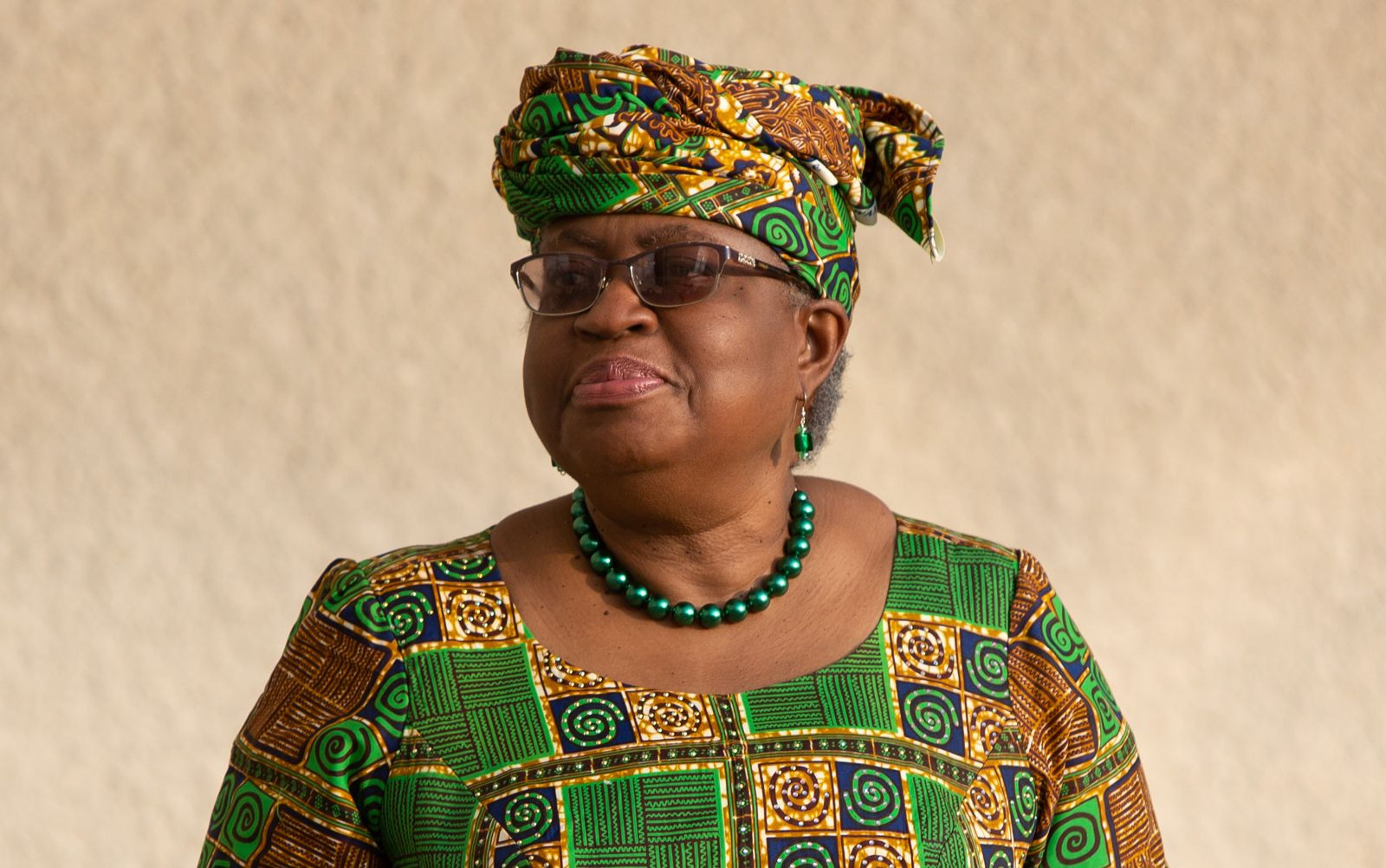
Have you ever wondered just how much Nigeria, and indeed Africa, relies on global powers for economic survival? Imagine, for a moment, the entire Oke Arin Market in Lagos grinding to a halt simply because one country sneezed—now that’s a real wahala! This is the unsettling reality facing the world today, as laid bare by Dr. Ngozi Okonjo-Iweala, Director-General of the World Trade Organisation (WTO), at the recent CNN Global Perspectives conference. In her words, “The system was built for interdependence, not over dependence.”
The Shocking Truth Behind Global Market Dependency
Dr. Okonjo-Iweala, a respected economist and former Managing Director of the World Bank, revealed that many nations—including Nigeria—are reportedly finding themselves at the mercy of the United States for their market demands, and on China for critical supplies. According to her, this situation is a direct consequence of the far-reaching trade tariffs imposed by the US government during former President Donald Trump’s administration. The aftermath? What she calls “the greatest disruption in trade in 80 years.”
Explosive Shifts: How US Tariffs Sent Shockwaves Through Global Trade
Cast your mind back to April 3, a day that changed the world’s trading landscape forever. That’s when sweeping global tariffs were reportedly slammed on all imports into America, sending ripple effects that reached the bustling markets of Balogun and beyond. The ripple effects didn’t just stop with higher prices on foreign goods—they triggered an unprecedented wave of policy decisions and retaliatory tariffs across continents.
“You can see the battering by the fact that the Most Favoured Nation (MFN) trade rate dropped from 80 percent to 72 percent,” Dr. Okonjo-Iweala noted. In global economic terms, that’s like watching Nigeria’s oil revenue suddenly take a 10% dip—not something any nation can simply shake off. Such swings touch the lives of everyday Nigerians, from importers in Aba to traders in Kano, as access to global markets shrinks and costs rise.
Unpacking the Tariffs: What’s Really at Stake for Nigeria?
In simple terms, these global trade tensions are not just foreign affairs drama—they directly affect how Nigerians buy, sell, and hustle. Nigerians have seen firsthand how import bans, exchange rate volatility, and supply chain bottlenecks play out in daily life. The surge in prices of imported vehicles, electronics, or even basic pharmaceuticals? Part of the larger story Dr. Okonjo-Iweala warns about.
According to Lagos-based economist Rilwan Osho, “The global market turbulence amplified by US and China trade policies makes it risky for Nigeria to depend too heavily on one trading partner. If America or China shifts policies overnight, na we dey suffer am.” This sentiment is shared by many African business owners who remember the 2020 border closures and the knock-on effect it had on local shelves and wallets.
Lessons for Africa: Diversify or Risk Economic Heartbreak
Dr. Okonjo-Iweala issued a wake-up call to governments across Africa. “This is also a wake-up call to try to diversify your sources of demand and supply,” she said. According to the WTO, global trade systems were designed to encourage mutual benefit and shared prosperity—not to foster an unstable overreliance. The reality, as any Nigerian who’s ever faced a scarcity of imported goods can attest, is that overdependence comes with hidden dangers.
She further explained that over the past 80 years, this system has generally helped to lift hundreds of millions out of poverty. But times are changing. For countries like Nigeria—where oil exports dominate the economy, and key imports range from rice to smartphones—there’s an urgent need to explore new trading partners and homegrown industries. Just like a wise trader won’t put all their wares in one customer’s bag, nations must play their cards smart and spread their risks.
Opportunities for Nigerian Businesses: Turning Disruption into Blessing
But, true to the Nigerian spirit of “no gree for anybody,” challenges are often a call to action. As the world rethinks old trade patterns, local entrepreneurs have a chance to shine. Take Nigeria’s booming fintech sector, or the steady rise of ‘Made in Nigeria’ fashion—they prove the country can compete globally if given the right backing. According to Dr. Chinedu Akande, a lecturer in international economics, “When big powers fight, nimble countries like Nigeria must adapt quickly, seek new allies, and value local innovation.”
Regional alliances such as the African Continental Free Trade Area (AfCFTA) are gaining traction, opening new intra-African markets for goods from Aba to Accra. The question is: will Nigerian policymakers seize the moment to support manufacturers, exporters, and small businesses looking to diversify?
Global Implications: A New Frontier for Trade Relations
On the world stage, leaders are now reportedly reassessing the foundations of global trade. According to a recent WTO policy brief, countries that hedge their bets by building regional value chains tend to weather global shocks better. The rush to localise supply chains—especially in the wake of COVID-19 and ongoing geopolitical tensions—may reinforce Nigeria’s drive to look inwards for growth, invest in agriculture, and promote non-oil exports.
That said, experts warn against isolationism. “Total self-sufficiency is a myth in today’s world,” says WTO analyst Sophie Karikari. “The goal should be balanced interdependence, not walls that keep neighbors out.”
Where Do We Go from Here?
Against this backdrop, Dr. Okonjo-Iweala’s explosive remarks carry a special weight for Nigeria and its West African neighbors. Do we keep putting all our eggs in the US and China baskets, or do we spread our wings and soar higher? With smart policy, regional cooperation, and the legendary Nigerian resilience, there’s every chance this disruption could spark a new era of prosperity.
What do you think—can Nigeria break free from risky overdependence, or will the lure of old trading partners prove too strong? Be candid—drop your thoughts below and join the conversation. For more updates and sharp analysis, follow us and never miss a beat!
Your voice matters! Share your opinions, business experiences, or trade-related stories. Do you have a perspective on how global market shifts are affecting life in your community or your business hustle?
Reach out to us directly—your story could inspire thousands across Africa!
Have a news tip, opinion, or story to share or sell?
Email us at story@nowahalazone.com to get featured or discuss story submission.
For support and inquiries, contact us at support@nowahalazone.com.
Want to stay informed? Follow us on
Facebook,
X (Twitter), and
Instagram for real-time news and community insights!