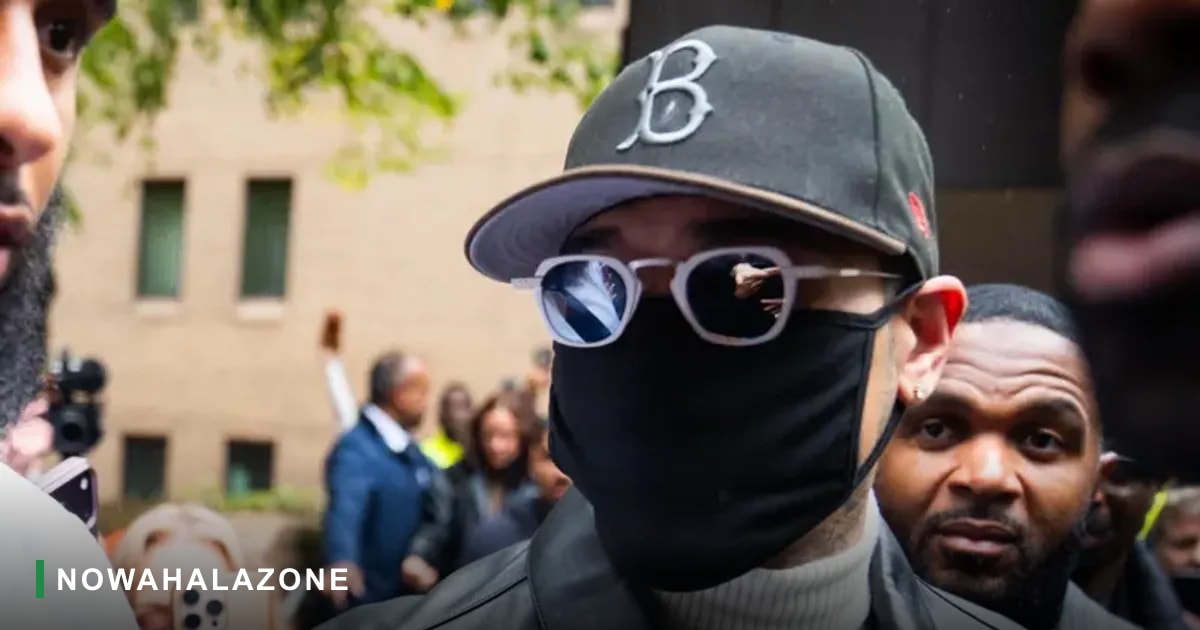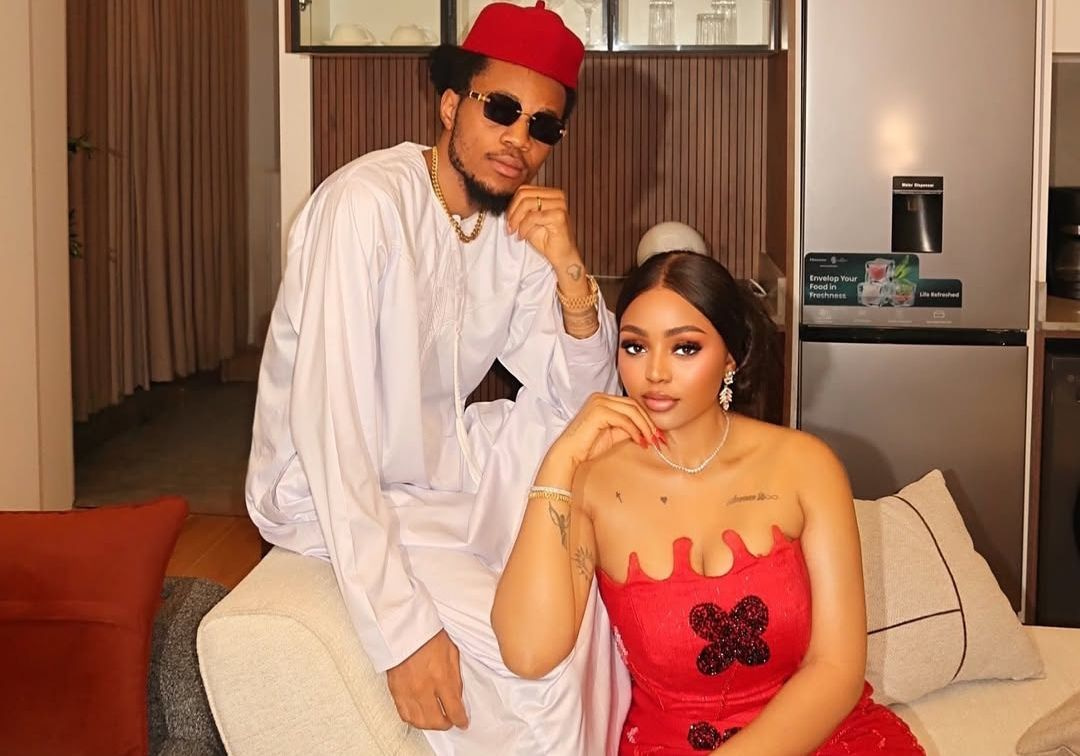

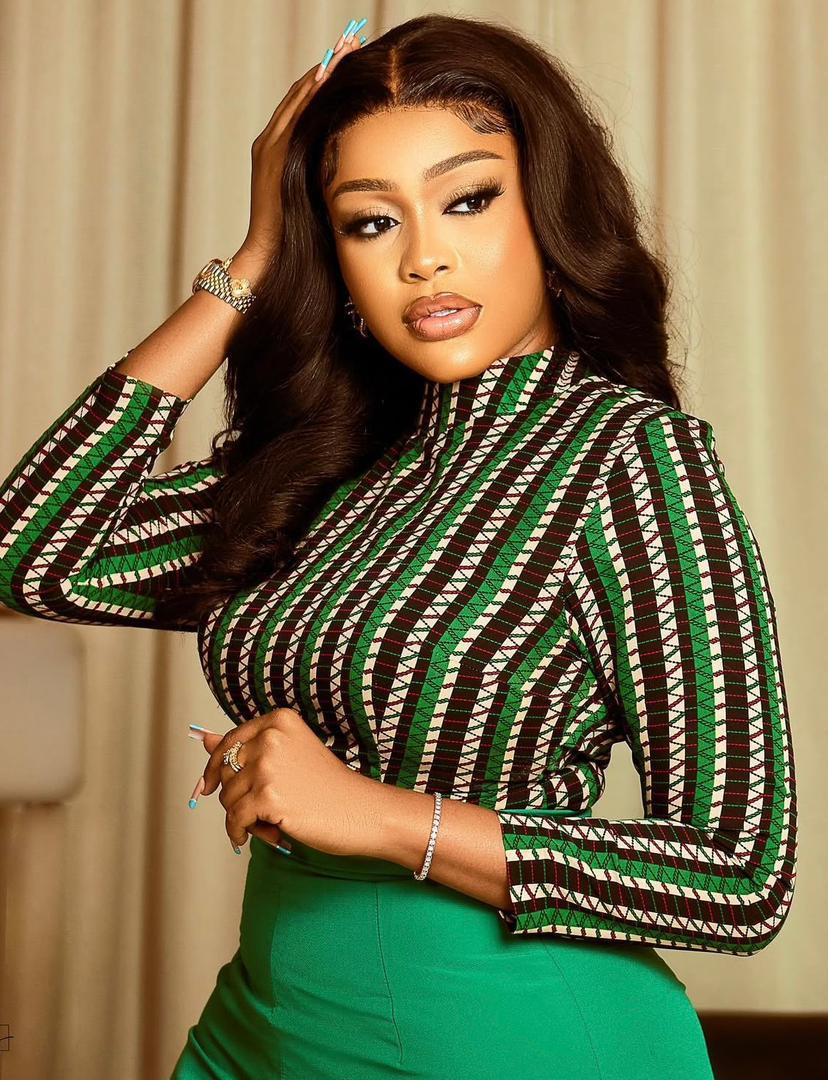
Is Nollywood buzzing again with scandal, or is this just another dramatic twist in the lives of our favourite celebrities? The alleged drug controversy swirling around Regina Daniels, her husband Senator Ned Nwoko, and actress Uche Montana has left Nigerians asking big questions and trading hot takes on social media. But what’s the real gist, and how is this story shaping Nollywood’s reputation at home and abroad?
Setting the Scene: Behind the Drumbeat of Allegations
Let’s break it down: In recent days, the airwaves have been thick with talk after Senator Ned Nwoko reportedly called out individuals said to be close to his wife, Regina Daniels. In a Facebook post, Nwoko accused a handful of friends and relatives—including reputed Nollywood talents like Uche Montana and Sonia Uche—of allegedly undermining Regina’s recovery by ignoring medical advice and bringing her substances she was supposedly battling to quit. As you might expect, these explosive claims sent shockwaves through Nollywood circles and left tongues wagging from Surulere to social media DMs.
But na so dem dey talk: Not everyone mentioned in Ned’s account has taken the allegations lying down. Uche Montana, a household name in modern Nigerian cinema, quickly responded on Instagram to set the record straight. “My attention has been drawn to a circulating post that appears to link my name to certain claims,” she wrote. Emphasizing her commitment to peace, she clarified, “For clarity, I have no involvement or connection to the situation described.”
Navigating the Storm: Reactions from Nollywood and the Public
The Nollywood community, well-known for both camaraderie and inner squabbles, has seen its share of controversies. However, this particular case seems to strike a different chord. Across WhatsApp groups and industry backchannels, some insiders are urging caution before passing judgment, reminding Nigerians that accusations—especially those as sensitive as drug use—must never be taken at face value.
In the colourful markets of Lagos or the buzzing streets of Abuja, the average Nigerian is no stranger to public drama. Yet, for many, the heart of this matter is not only about celebrity gossip but the impact such stories can have on personal and professional reputations. As one Lagos-based film critic noted, “In Nollywood, accusations spread like wildfire. Once your name trends for the wrong reason, wahala fit dey for your career.”
Need quick facts? Here’s the summary:
- Senator Ned Nwoko alleged Regina Daniels’ close friends—including Uche Montana—were disrupting her reported drug rehabilitation process
- Uche Montana firmly denied any involvement or link to the allegations, demanding for her peace to be respected
- The controversy follows earlier reports of marital strife and alleged domestic abuse between Regina Daniels and Nwoko
- Social media users and Nollywood fans are divided, with many expressing support for both parties while insisting on due process and facts
Drama in Public, Pain in Private: Exploring the Allegations
Digging deeper, let’s not forget what triggered this storm: Several weeks ago, Regina Daniels reportedly shared a video in which she described herself as a “slave” in her own home, raising concerns about domestic abuse and marital struggle. The timing of Senator Nwoko’s statements—pointing the finger at supposed friends as obstacles to recovery—has left many wondering: Is this a case of shifting blame, or are deeper truths yet to be uncovered?
Nwoko, for his part, continues to insist Regina was battling an ongoing addiction, involving both drugs and alcohol. He further alleged, according to public statements, that his wife had physically assaulted domestic staff. However, as with many high-profile cases, proof remains elusive and investigation is ongoing. Both claims of substance misuse and allegations of abuse are serious issues under Nigeria’s criminal law, and experts stress that conclusive evidence and due process are essential if real justice is to be done.
Public Reaction: Who Should Nigerians Believe?
Na wah o! Everyone seems to have their own theory. On Facebook, you’ll see aunties defending Regina Daniels, while youth on X (Twitter) dissect every new rumour with witty memes and sharp comebacks. Some are demanding thorough investigations, quoting the need for child and women’s protection under the UNICEF Child Protection and similar laws. Others, wary of gossip culture, are urging peace, saying, “Let sleeping dogs lie.”
What is clear is this: the story echoes common struggles in many Nigerian families—conflict, misunderstanding, and the real pain of having one’s struggles made public. Whether you’re a market woman in Ibadan or a student in Zaria, stories of family challenges and false accusations strike familiar chords. Who hasn’t known a friend accused unfairly, or seen respect lost over mere hearsay?
Nigerian Law, Nollywood Image, and the Global Gaze
The Nigerian film industry is no stranger to controversy. But repeated runs of public scandal can cloud international perception, right at a time when Nollywood is powering ahead as Africa’s entertainment leader. Beyond the wahala of “gist,” there are real consequences: careers put on hold, movie deals paused, and trust eroded.
From a legal standpoint, according to the NDLEA (National Drug Law Enforcement Agency), drug-related accusations are not just image-damaging—they might lead to criminal investigation if concrete evidence emerges. Yet, as local commentators note, so far, no official charges or court proceedings have been launched in relation to this case. Legal analysts, such as Abuja-based lawyer Blessing Akindele, caution that “we must separate emotional reactions from facts until thorough investigations are done.”
Globally, similar celebrity incidents have shown how rapidly misinformation can circulate. Many journalists and advocates recommend responsible coverage—focusing on confirmed facts and protecting the dignity of all parties until the dust settles. Some even point to international best practices as a guide for local reporting standards in Nigeria.
Balancing Accountability and Empathy in Nigerian Society
So where do we go from here? As the alleged drug crisis involving Regina Daniels and Uche Montana continues to unfold, most Nigerians just want to know the truth—unclouded by personal bias or online sensationalism. Industry leaders are calling for a balance between holding public figures accountable and treating them as human, with both the right to a fair hearing and the need for privacy.
One Nollywood producer captured the mood, saying, “For us, reputation is everything. But so is compassion. Let’s wait for facts, not fan the flames with assumptions.”
Key Takeaways:
- Always seek the full story: Don’t jump to conclusions—get the facts.
- Support mental health: Addiction and abuse are critical health issues needing care and confidentiality, not just public debate.
- Nurture our stars: Nollywood celebs are humans too—let’s remember the Nigerian value of “live and let live.”
Final Thoughts: What’s Your Take?
As this unprecedented Nollywood saga plays out, one thing is certain: the way we talk about our celebrities reflects our own values as a nation. Do you think the accused should face stricter public scrutiny, or are we too quick to judge those in the limelight? Who, in your view, truly bears responsibility when public and private lives collide?
Let’s keep the conversation fresh, respectful, and fact-driven—because when one person’s name is at stake, na the whole industry dey watch!
Have you experienced public misunderstanding or want to share your Nollywood gist? We want to hear your side of the story! Drop a comment below and keep the discussion going.
Got a story you want to share or sell for publication? Na your chance be this! Email us at
story@nowahalazone.com to get your story featured or discuss confidential story sales.
For news tips or general support, reach us at
support@nowahalazone.com.
Stay in the loop—follow the latest Nollywood discussions and more on
Facebook,
X (Twitter), and
Instagram.
Now over to you: What’s your view on celebrity controversies in Nigeria? Should public figures be held to a different standard?
Share your thoughts in the comments and let’s keep the conversation honest and constructive!