
Can Nigeria truly lead Africa’s race to clean, electric-powered roads – or will old habits and power challenges keep us stuck in neutral? As the National Assembly races against time to pass the landmark Electric Vehicle Transition and Green Mobility Bill 2025, the clock is ticking not just for lawmakers, but for every Nigerian who dreams of a future free from noisy generators and choking exhaust fumes. This heated debate touching on electric cars, affordable transport, and renewable energy isn’t just highbrow talk in Abuja — it could soon determine how the average Nigerian moves, hustles, and breathes.
The test for Nigeria’s new electric vehicle future comes down to one explosive question: Can we leapfrog into the future like China – or will patchy power and bureaucracy leave shiny policy stuck in the mud?
Hope is in the air. Last week, the Electric Vehicle Transition and Green Mobility Bill 2025 inched closer to reality after it passed its second Senate reading. Advocates claim it promises an unprecedented leap – aiming to lay the strong, legal, and technical backbone for Nigeria’s march into the electric future. Meanwhile, across the globe, cheaper renewables and ever-improving smart battery tech are reshaping how the world generates and uses energy. According to the International Energy Agency, the costs of wind and solar are now often lower than fossil-based options, a shift powering change from Beijing to Berlin.
But here on the streets of Lagos or the dusty roads of Kaduna, it’s not so simple. Imagine cruising inside a silent, clean EV, no fumes, no fuel price wahala. It sounds like a dream, especially compared to the hustle for petrol during scarcity periods. Yet – can Nigeria actually deliver that vision, or are we chasing waterfalls?
Tough Road to Green Mobility: What’s In The EV Transition Bill?
The Electric Vehicle Transition Bill is Nigeria’s inside story of ambition – one that reportedly ticks all the right boxes if fully implemented:
- Builds a clear road map for developing local EV manufacturing and assembly
- Pushes for wide EV adoption by individuals, companies, and even government fleets
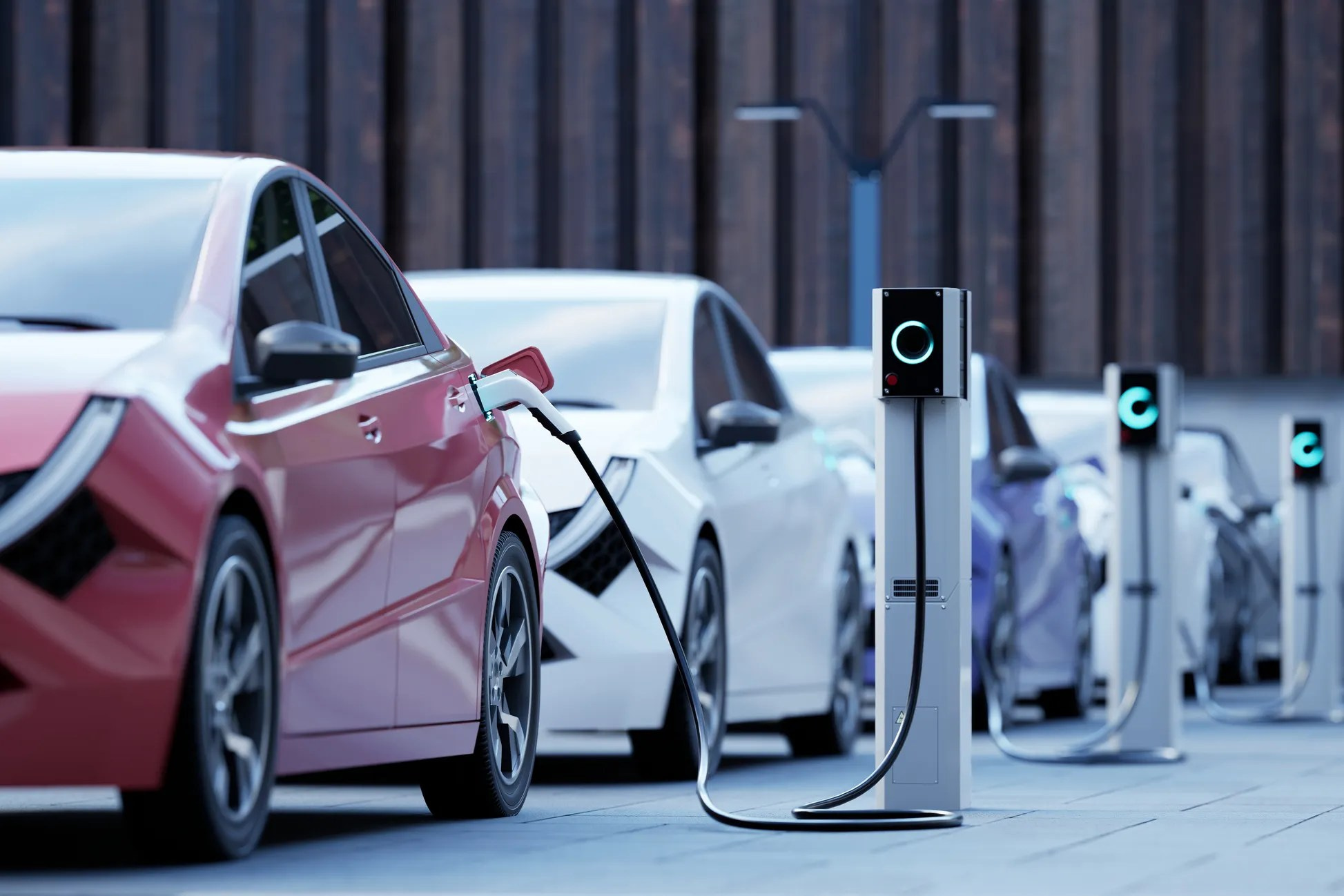
- Calls for charging points nationwide (even at petrol stations)
- Champions local content, jobs, and makes Nigeria a clean transport leader in West Africa
- Seeks integration with renewable energy for truly sustainable mobility
On paper, the policy is spot-on. But as we say, “fine talk does not cook rice.”
Many experts and stakeholders, including those in the Nigerian auto sector, warn that the bill’s strict penalties and heavy local content rules could backfire. “There’s too much stick and not enough carrot,” observed one Lagos-based energy analyst, referencing the bill’s tough conditions for non-compliance. This well-meant protectionist stance, according to stakeholders, may discourage crucial foreign investment in the critical early years.
Worse yet, the oversight design – splitting responsibilities across five government agencies – might sound like putting five different cooks on one soup pot. Anyone who has spent time on Nigerian roads knows too many hands can stall even the best plans. Experience shows overlapping mandates and bureaucracy cause bottlenecks. Without a clear lead implementation authority, the risk of policy “hold up” is very real. Imagine expecting every fuelling station from Ikorodu to Aba to suddenly install EV chargers overnight without a phased plan – e no go possible!
Nigeria’s Power Elephant: Can the National Grid Support EV Dreams?
Here’s the explosive truth: No matter how shiny our EV plans may look, our battered national grid is the real stumbling block. With persistent blackouts and low generation capacity, experts – including leading engineers at the Nigeria Society of Engineers – have stressed that scapegoating fuel stations or private investors misses the big elephant in the room.
“The grid as it stands cannot support widespread charging of vehicles, not to talk of future growth,” warned one Abuja-based energy consultant. Bold policies require solid infrastructure. If most neighborhoods can’t even guarantee steady light to keep freezers running, how will new EV owners reliably charge at home or on the move?
On top of this, funding remains a persistent challenge. Who will foot the bill for costly incentives or subsidized charging points? Echoing the caution of financial analysts, unless a robust financing model surfaces, even the most creative policies risk dying slowly with plenty of government grammar but little real-world change.
What Does Nigeria Really Need for Electric Cars to Succeed?
So, what’s the way forward? According to insiders close to the Senate process, and as echoed by several stakeholder groups, Nigeria’s EV Bill must balance big dreams with practical steps, including:
- A phased adoption plan: A 2025–2040 roadmap setting clear targets for rollout across cities and rural areas
- Bold, targeted incentives: For companies and fleet owners ready to switch, not just penalties for those lagging behind
- One clear EV authority: To coordinate rollout, cut confusion, and maintain accountability
- Real integration with power sector reforms: So electricity supply and charging stations can grow together
Some industry watchers argue that failure to address these issues means electric cars will remain the reserve of the elite – or even a mirage, just like steady light in parts of Nigeria. But if lawmakers can cook this policy jollof the right way, the benefits are mouthwatering:
- Lower fuel import costs
- Reduced urban air pollution (less smoke on the roads, healthier lungs)
- More local jobs from vehicle assembly and parts
- Future-ready economy aligned with global climate goals
Internationally, countries like South Africa, Morocco, and Egypt have reportedly made bolder moves on green auto manufacturing. Will Nigeria play catch-up or take the lead?
What Ordinary Nigerians Are Saying
Among drivers and commuters interviewed in Abuja and Lagos, reactions are mixed. Victor, a Bolt driver, says, “If it will save money on fuel and reduce engine repairs, I’m open — but only when there’s light to charge and the cost comes down.” Madam Ifeoma, a trader at Alaba, wonders if electric vehicles “will fit our bad roads” or “cope with people’s heavy loads.” Skepticism abounds, but the sense of possibility is growing — especially among younger Nigerians tracking global trends via social media.
Policy experts, meanwhile, remind all stakeholders that Nigeria’s multifaceted transport and power challenges can’t be solved overnight. Yet the moment to act boldly is slipping away fast. As African cities prepare for explosive population growth, investing now in a cleaner, greener transport system could make the difference for the next generation.
So, is Nigeria ready to transition to electric mobility on a mass scale, or will bureaucratic bottlenecks and gridlock keep us idling in place? The coming months will reveal how serious our leaders are about leaving behind diesel fumes for cleaner, greener roads.
What do you think – will electric vehicles become our new normal, or, na just government story? Let us know your thoughts and follow us for more updates on Nigeria’s road to clean mobility.
Want your voice heard in Nigeria’s EV revolution? Have a story to tell or sell from your community, market, or garage? Email us at story@nowahalazone.com to get your perspective published or discuss selling your story!
For general support or tips, reach out via support@nowahalazone.com.
Follow us for more updates and share your opinions on Facebook, X (Twitter), and Instagram. Your story could spark the next big change!