
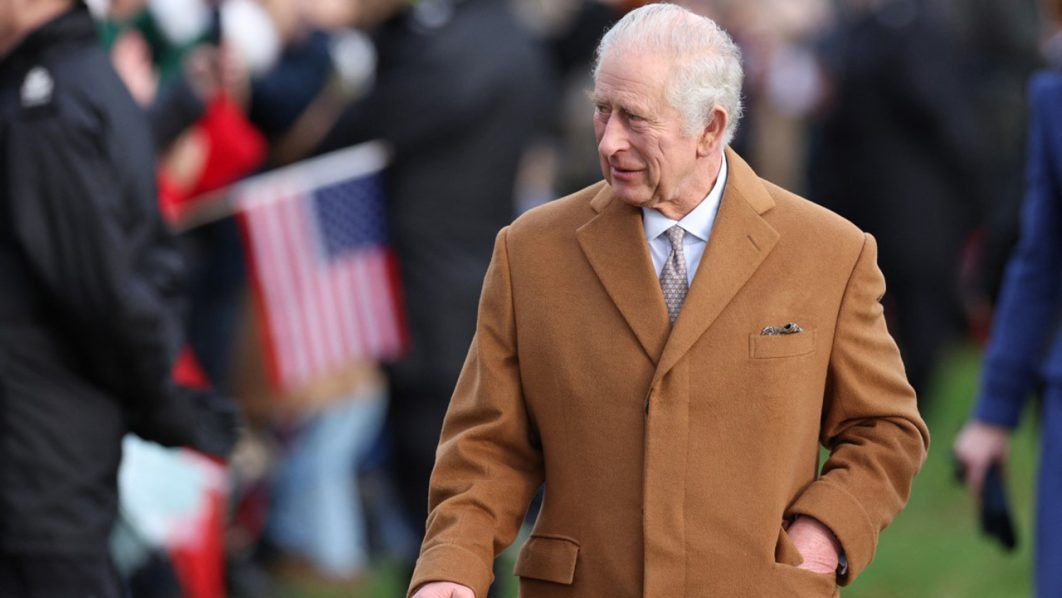
Who would have thought we’d witness this kind of royal drama in our lifetime? A British king, in an explosive and historic move, stripping his own brother of a prince’s title—something that hasn’t happened since 1919! The king’s unprecedented decision to axe Prince Andrew’s royal status is sending shockwaves not just through the United Kingdom, but across the globe, including right here in Nigeria, where many of us follow the royal family’s every gist as if na our own backyard matter.
The Fall of a Prince: Inside the Shocking Royal Shake-Up
The world sat up last week as King Charles III reportedly announced his younger brother, Andrew, would not just lose his ‘prince’ title, but also be ejected from his plush quarters on the grounds of Windsor Castle. This move came after fresh, disturbing accusations resurfaced in the posthumous memoir of Virginia Giuffre—one of Jeffrey Epstein’s most prominent accusers—who had again detailed claims she was allegedly trafficked and abused as a teenager. The claims, though denied by Andrew, have refused to die down.
For many, this was a long time coming. As Pam Williams, a retired teacher living in Britain since 1972, remarked outside Buckingham Palace, “Maybe he should have done it a long time ago. But well done for doing it now.” A sentiment echoed by countless people both home and abroad—you know how Nigerians would say, “There’s no smoke without fire, abi?”
Public Outcry and Explosive Headlines: “The Andrew Formerly Known as Prince”
As the news spread like wildfire, British tabloids went into overdrive. “Finally!” screamed the Daily Mirror, while The Sun dropped the witty headline: “The Andrew formerly known as Prince.” On social media, the mood ranged from triumph to disbelief. Even during a live taping of BBC’s “Question Time,” the crowd buzzed when Andrew’s fate was mentioned. It became glaring—people were fed up with the perceived lack of accountability.
UK Prime Minister Keir Starmer’s spokesman said the government “fully supports the decision taken,” and it’s been reported that the Palace consulted Downing Street before taking this dramatic step.
Is It Enough? Calls for Justice Grow Louder
But as Nigerians say, “If you want to catch a monkey, you need sense pass am.” The king’s action, while drastic, is not satisfying everyone. Virginia Giuffre’s brother, Sky Roberts, reacted by telling the BBC, “I commend the king… but we need to take it one more step further: he needs to be behind bars.” This echoes growing demands for legal action, with the UK-based anti-monarchy group Republic reportedly instructing lawyers to examine if there’s “sufficient evidence” for a private prosecution.
London’s Metropolitan Police had previously investigated Giuffre’s allegations and decided in 2021 that they would take no further action after another review. Yet, this new momentum has reignited debates over whether the wheels of justice really move for everyone equally—or if, when it comes to power, the matter often dey sweep under carpet.
Royal Fallout: What This Means for the Monarchy
According to royal historian Ed Owens, this is only the third time in modern UK history that the monarchy has faced a crisis this severe, placing it alongside the uproar following Princess Diana’s death and the scandalous abdication of Edward VIII in 1936. Owens described the current episode as a “genuinely historic moment,” calling Andrew’s lingering presence within royal ranks “completely untenable.”
Across the Atlantic and here in Nigeria, it’s a reminder: Even the highest in society are not above public scrutiny—or wahala.
It didn’t help matters that Andrew’s living arrangements came under fire too. Allegedly, he paid little or no rent on a palatial 30-room mansion, thanks to a cushy lease deal back in 2003. With times hard for so many—including Naija folks hustling to pay rent every month—hearing of that kind of arrangement doesn’t sit well in any society fasting for fairness.
Snowball Effect: A Royal Crisis Exposed
Just when it looked like things might calm down, King Charles’s Vatican visit was overshadowed. A heckler tried to embarrass him publicly, shouting, “How long have you known about Andrew and Epstein?” This single, snowballing crisis—resting on Andrew’s alleged actions—has exploded into wider questions about royal transparency and accountability. “What we’ve seen over the course of the last couple of weeks is a crisis involving one individual snowball into a much bigger crisis about a lack of transparency on the part of the British royal family,” Owens observed.
Thursday’s announcement, he suggested, was a “decisive act” to prevent further investigations and hush the growing debate. Yet, the king’s decision only opens new chapters: Andrew will henceforth be simply known as Andrew Mountbatten-Windsor, and while he’s now to move into a private Sandringham lodge—courtesy of his older brother—some say this is more banishment than fresh start. According to respected broadcaster and historian Jonathan Dimbleby, Andrew is “effectively banished” to Sandringham.
Accountability vs. Privilege: Does This Go Far Enough?
Still, the move leaves tough questions simmering. Andrew may be out of public view, but for now, he remains eighth in line to the throne. Some analysts speculate: Could he lose even more, or might legal consequences still follow? Here at home, many Nigerians can’t help but draw parallels with how powerful people are sometimes shielded from justice. “E be like say only poor man dey suffer consequence for here,” as one Lagos-based political analyst put it. But globally, it seems the push for transparency and justice knows no borders.
For King Charles, there may be a sense of relief—at least, according to those closest to him. But as Dimbleby said, “Although it won’t, of course, for Andrew.” The inescapable question: can the monarchy really move on while serious questions still hang in the air?
Nigerian Perspective: Why This Matters to Us
Let’s not deceive ourselves—royal matters are big news in Naija, whether it’s royal weddings, scandals, or association with big personalities. More so, this saga is a sharp reminder of what public outcry can trigger in any society. When the masses join their voices, even kings must listen. It also stirs up conversations about transparency and accountability at home—topics forever trending among Nigerians yearning for genuine change.
Beyond the palace walls, this is more than mere gist. It’s a lesson that no one is above the law—or the court of public opinion. Are we ready, here and across Africa, to demand the same level of openness and justice when our own ‘big men’ are involved?
Key Takeaways: What Happens Next?
- Andrew is officially out: The king has removed both his title and his Windsor residence.
- Public and political support: The decision is widely supported, but many demand more robust legal actions.
- Ongoing investigations?: Legal experts and groups are still pressing for further scrutiny and potential charges.
- Bigger questions linger: The monarchy’s transparency, privilege, and accountability remain hot topics worldwide—including here.
The world is watching to see what happens next. Will further action follow, or is this the end of Prince Andrew’s story?
Conclusion: Lessons Beyond Buckingham Palace
What’s your own take—do you think public pressure can drive true accountability, whether in the UK or right here in West Africa? As royal giants fall and allegations hit even the most untouchable corners of society, na everybody go dey watch. Drop your opinion below and let’s gist. And if you’ve got a story or tip—royal or local matter—we dey here to hear am!
Have a story you want to share or sell—maybe about local leadership, legal battles, or moments of accountability? Reach out to us at story@nowahalazone.com and get your experience featured. For general support and questions, your voice matters—contact support@nowahalazone.com.
Stay in the loop: follow us on Facebook, X (Twitter), and Instagram for more engaging news and insightful stories.