
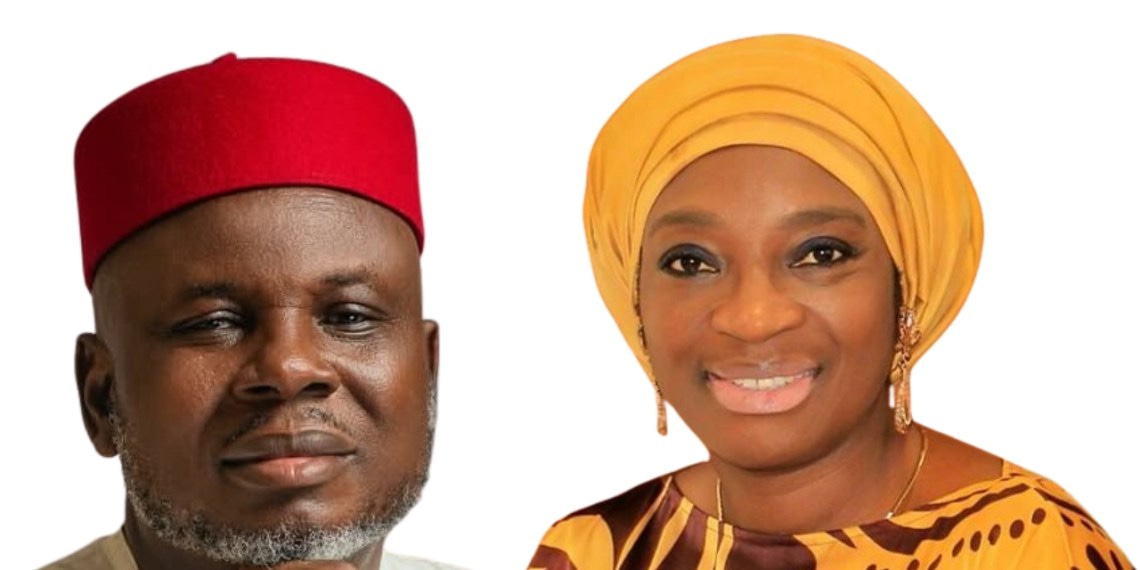
Ever wondered what truly goes on behind the scenes after a tense Nigerian election? Imagine the anticipation inside campaign headquarters, the silence as INEC officials tally the final results, and the suspense dancing on every face—waiting for that one name to echo across Anambra. This time, it was Charles Soludo who reportedly clinched victory, but the drama that followed remains the talk of the town. Let’s step into the aftermath of the Anambra governorship election and unpack what it really means, both for aspirants like Nicholas Ukachukwu and for everyday Ndi Anambra.
How the Anambra Governorship Election Unfolded
On a day that saw both rain and sunshine, voters turned out across Anambra, determined to make their voices heard. According to the Independent National Electoral Commission (INEC), Prof. Charles Soludo of the All Progressives Grand Alliance (APGA) secured the lion’s share of the votes with 422,664 ballot papers reportedly cast in his favour. Nicholas Ukachukwu of the All Progressives Congress (APC) trailed behind with 99,445 votes. Paul Chukwuma (Young Progressives Party) and George Moghalu (Labour Party) followed with 37,753 and 10,576 votes, respectively.
But what truly stirred the pot wasn’t just the numbers, but the reactions, accusations, and silent tension that rippled through Anambra’s political class after the announcement.
Tension in the APC Camp: Ukachukwu’s Calculated Silence
Just hours after INEC declared Soludo victorious, one might have expected the typical handshake, party statement, or congratulatory visit. Instead, Nicholas Ukachukwu, the APC standard-bearer, issued a measured response. Standing before a room packed with reporters in Awka, he addressed the state—his voice steady, but his resolve unmistakable.
“We are still collating data and gathering information from our party agents. After that, we’ll know what to do,” Ukachukwu reportedly shared, making it clear that he wasn’t rushing to accept the results. Was it a strategy or genuine concern over the process? Political analysts in Onitsha have since weighed in, suggesting that post-election consultation is common, yet Ukachukwu’s prolonged silence fanned the embers of speculation.
Allegations, Vote-Buying Claims, and the Nigerian Voter’s Dilemma
In a candid portion of the press briefing, Ukachukwu didn’t mince words: he claimed that while he polled substantial votes, he did so “without engaging in vote buying” unlike other candidates. This type of allegation is not new in Nigeria’s democracy, but each time it surfaces, it reignites questions about the levels of transparency in our elections. A local voter, Mrs. Ifeoma Okonkwo from Nnewi, told us that “these things happen, but only God knows what goes on at the polling units.” Such sentiments echo across the South East, underscoring the urgency for continued electoral reform.
For Anambra residents, trust in the system is paramount. After all, when leaders emerge through questionable processes, it’s the people who ultimately feel the pinch—whether in roads not tarred or schools left abandoned.
When Running Mates Disagree: Ekwunife’s Surprising Congratulatory Message
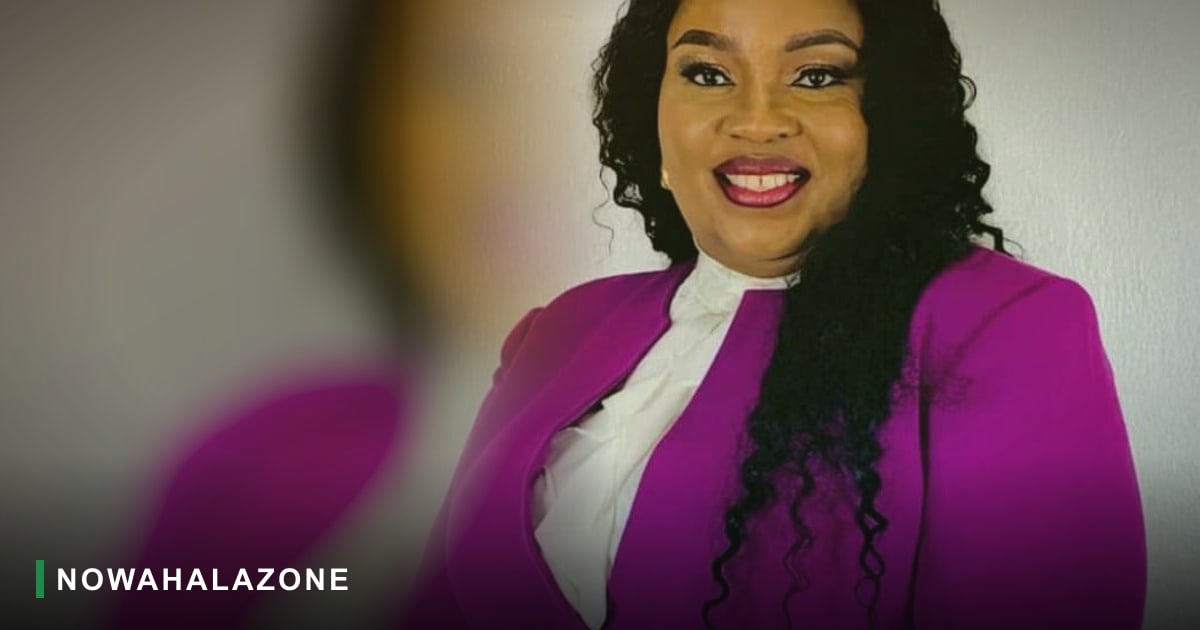
As Ukachukwu held back from conceding, his running mate—Uche Ekwunife—moved in the opposite direction. In a heartfelt message posted on her official Facebook page, Ekwunife congratulated Soludo, wishing him success and pledging support for every positive effort in Anambra’s progress.
“When Anambra succeeds, we all succeed,” she wrote, appealing to her supporters to put the state’s interest above personal concerns. This kind of statesmanship stands out, especially in a region where political rivalry often leaves wounds that take years to heal. According to political observers in Awka, Ekwunife’s statement could set a new tone for post-election unity—“Enough of wahala, let’s build something great,” as one youth leader from Onitsha put it.
Bridging the Divide: Why Reconciliation Matters in Anambra Politics
The split in public stance between the APC candidate and his deputy spotlights a bigger theme in Nigerian politics—reconciliation. Every time our elections end, communities watch closely: will politicians fight or join hands? As Dr. Chuka Nwokike, a policy analyst from Awka, explains, “It’s not just about who won; it’s about how we move forward together.”
- Peace builds confidence in the process for both winners and the opposition.
- Statesmanship—putting Anambra first—fosters stability and attracts investment.
- Public statements set examples for younger generations and future elections across Nigeria.
True leaders, it seems, are those willing to cross the aisle when the dust settles, even if egos must be swallowed. The election’s aftermath offers an opportunity for Anambra to tell a different story—a story of resilience, dialogue, and hope.
How Do These Election Outcomes Impact Everyday Ndi Anambra?
Election fever might grab all the headlines, but it’s the aftermath that shapes lives on the ground. For okada riders in Onitsha, market women in Eke Awka, and students at Nnamdi Azikiwe University, the burning question remains: Will these leaders, whether in victory or defeat, prioritise our wellbeing?
Experts suggest that transparent reactions and inclusive governance in the wake of closely fought elections are crucial for local development. The new administration’s next steps—roads, jobs, schools—will reveal whether campaign promises were just “mouth service” or signs of true commitment, as locals love to say.
Beyond Anambra, this election stands as a lesson for Nigeria and the West African subregion: competitive democracy thrives only when candidates and supporters channel their passion for the public good, not personal vendetta.
Challenges, Criticisms, and the Road Ahead
Of course, not everyone is convinced that Anambra is on the verge of “jollof peace.” Some critics argue that until allegations of malpractice—such as vote buying—are thoroughly investigated, the bitter taste will linger. For others, Ekwunife’s mature approach is a glimmer of hope that future elections in Anambra (and Nigeria at large) will prioritise development over power tussles.
INEC, meanwhile, faces renewed pressure to perfect the electoral process. The commission’s spokespersons maintain that procedures are regularly updated for fairness and accuracy, and many hope that with time, technology will help curb age-old election malpractices.
What’s Next for Anambra and Nigeria?
As Ndi Anambra return to daily hustle and bustling markets, political watchers will keep one eye on Abuja and the other on Awka, waiting to see how promises translate into policies. Can a fractured opposition regroup productively, or will the ruling party seize the moment for far-reaching reforms? Only time will tell.
For now, the message from both winners and the opposition is clear: Anambra’s progress is bigger than any one politician. The responsibility to build a better future is shared among all—leaders and the led alike.
Conclusion: The Big Question—Where Do We Go From Here?
In the end, this is not just the inside story of an election—it’s about the heart and soul of Anambra. Do you believe this post-election atmosphere will foster better governance and renewed trust? Or will history repeat itself, as uncertainty and suspicion linger?
What do you think is the biggest lesson from the aftermath of the Anambra governorship election? Drop your comments below and follow us for more updates.
Do you have a story, tip, or opinion about Anambra politics or any news in Nigeria? We’re always eager to hear from locals like you! Email us at story@nowahalazone.com and get featured or discuss story sales.
For general support, reach out at support@nowahalazone.com.
Connect with us for daily news and exclusive updates on Facebook, X (Twitter), and Instagram. Don’t miss out!