
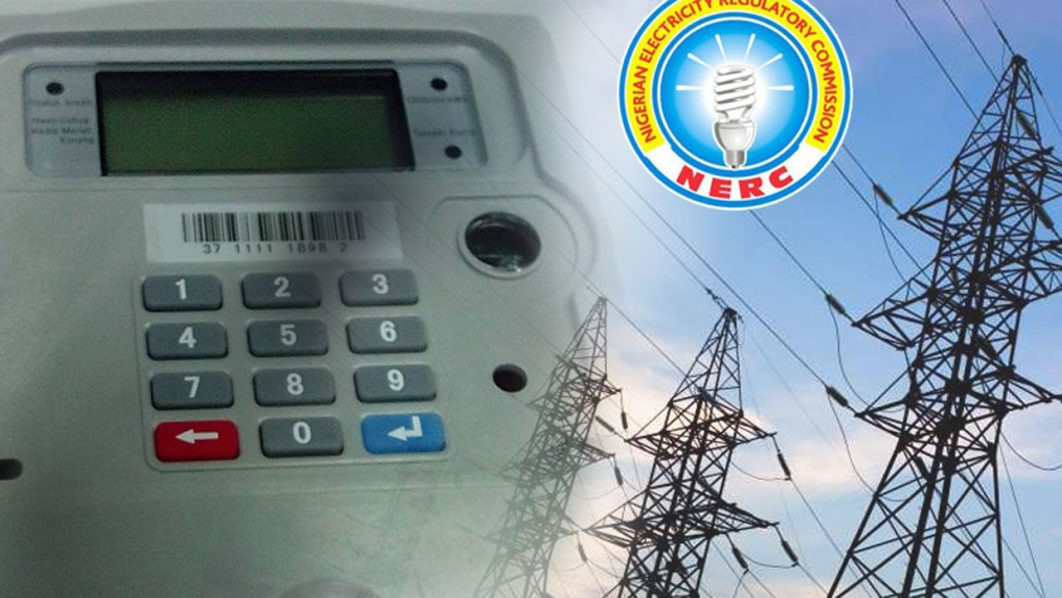
What does it really take for Nigeria to light up her darkness? Every day, millions of Nigerians wake up, sighing at the sight of the NEPA pole—wondering when the steady hum of electricity will finally become a constant companion. But just when hope seems to flicker anew, an unexpected roadblock throws sand in the engine. Right now, a coalition of civil society organisations is raising an explosive alarm: the Senate’s delay in confirming Engr. Abdullahi Garba Ramat as Chairman of the National Electricity Regulatory Commission (NERC) is allegedly stalling the very reforms Nigeria desperately needs.
Is political power play choking Nigeria’s power sector? That’s the heart of the storm. According to the Empowerment for Unemployed Youth Initiative (EUYI), led by the passionate Comrade Danesi Momoh Prince, this isn’t just a minor delay. He claims it’s a shocking truth: the Senate’s hold-up isn’t about merit or process—it’s about politics. Can you imagine, after years of battling blackout and generator noise, the progress millions crave is allegedly being traded for political bargaining? Na so e dey pain!
Inside Story: Senate Delay and the Future of Electricity Regulation
Let’s break it down. On October 22, 2025, the Senate Committee on Power, chaired by Senator Enyinnaya Abaribe, reportedly vetted and presented three nominees—including Ramat, Abubakar Yusuf (Commissioner, Consumer Affairs), and Fouad Olayinka Animashaun (Commissioner, Finance & Administration)—for confirmation. But months later, the confirmation is still hanging like an uncompleted building. According to the coalition, there’s been no official explanation for the holdup. Nigerians are asking: is there more to the story than meets the eye?
Danesi Momoh Prince, speaking as EUYI’s convener, insisted, “It is not about merit or competence. From all credible indications, this delay is linked to personal political machinations.” He didn’t mince words—calling the inertia a form of “political sabotage” targeting a sector that has “crippled economic growth for decades.” No be small matter; the power sector has always been central to President Bola Ahmed Tinubu’s Renewed Hope Agenda. The coalition wonders, why gamble with such a crucial appointment?
What’s Really at Stake? Ramat’s Track Record Under the Microscope
One thing stands out. Engr. Ramat isn’t just any nominee, o. The coalition points to his solid credentials: a sterling record in electrical engineering, strategic management, and innovation. Ramat is a COREN Fellow, a Harvard alumnus, and previously served as the pioneer Managing Director of the Kano Metropolitan Agency (KASMA). For many, that’s the type of background needed to spark life into Nigeria’s struggling grid.
The coalition argues that ignoring such a profile comes at a cost for millions who, till today, still flock to charging stations in the market or count hours during “light” periods. In a country where “Up NEPA!” can spark an entire street’s jubilation, efficient leadership at NERC is no be joke. This is about the livelihoods of traders at Alaba, bakers in Kano, students burning candles in Benue, and nearly every family hoping stable power will improve their lot.
Rising Tensions: Civil Society Issues 48-Hour Ultimatum
As the days drag on, tension is building—like an over-tightened drum. This week, the coalition gave the Senate a clear 48-hour ultimatum to resolve the confirmation. If not, they announced plans for nationwide protests, with unemployed youths ready to gather at the National Assembly and NERC offices. While some Nigerians may nod in agreement, others warn that street protests often take a serious toll and should always remain peaceful and within the law.
Momoh Prince emphasised, “This is not an empty threat. Nigerians are tired of politics with everything. We are ready to expose the Senate’s chicanery.” Amid all these dramas, the real people affected are everyday Nigerians—the okada rider sweating in traffic, the hairdresser running on generator, the hospital relying on costly fuel for life-saving care.
Broader Implications: How Delays Shape Power Sector Reforms
Nigeria’s electricity sector is no stranger to wahala. Reports from the National Electricity Regulatory Commission show that despite reforms, power supply remains inconsistent, and investment is sluggish. For a nation with Africa’s largest population, instability in leadership at such a regulatory body could ripple out—stalling foreign investments, limiting local enterprise, and undermining confidence in broader reforms.
Some analysts even draw comparisons with Ghana and Kenya, where sector reforms and regulatory stability have boosted electricity access and private investment. According to a Lagos-based energy expert, “Delay at the top slows everything for the man at the bottom. Boards set the tone for investor confidence—and inconsistent policies scare investors away.”
Counterpoints: The Senate and the Complexity of Confirmation Delays
Could there be another side to this coin? Some voices close to the Senate contend that confirmation processes require diligence to ensure the right candidate is picked and all due procedures followed. Legal experts note that checks and balances in government are designed to prevent hasty or unvetted appointments, which could come back to haunt the sector if corners are cut.
However, others argue that when delays drag with no public explanation, it only stirs more suspicion and erodes public trust. “Transparency is the oil of democracy,” said a governance advocate from Abuja. The Senate is yet to issue a comprehensive statement as of this writing. Nigerians are watching closely—after all, this is about national development, not just one man’s appointment.
State of Security: Southern Taraba Faces Renewed Violence
Just as the power sector faces uncertainty, other shadows linger across the land. In Southern Taraba, Catholic priests and local groups are reportedly on edge over a wave of attacks attributed to armed herdsmen. According to Rev. Fr. John Laikel, Director of Social Communications for the Catholic Diocese of Wukari, the violence has led to the desertion of rural parishes and destroyed entire communities. He described the situation as “devastating”—a word that barely scratches the surface for families forced to flee yet again.
Fr. Laikel lamented, “It is disheartening that attacks on innocent citizens keep happening despite government promises to stop the killings.” The sense of déjà vu is unmistakable, as most victims are reportedly returnees just trying to rebuild lives after previous displacement. It’s yet another example of how social and security challenges remain intertwined with national stability—especially as vulnerable Nigerians bear the brunt.
Bringing It Home: What Does This Mean for Ordinary Nigerians?
So, how long will politics be a stumbling block to progress? When delays at the top keep the lights out and insecurity sends families packing, you begin to wonder—are we truly moving forward? Nigerians are known for their resilience. But as the days pass and promises lag, that famous “suffering and smiling” spirit is put to the test.
For now, it’s up to the Senate to break this impasse and show that governance can serve the people, not just political players. What good is power—political or electrical—if it doesn’t reach the very people who need it most?
What’s your own take? Should the Senate move quickly on such crucial appointments, or is thorough vetting worth the wait—even at a cost? Drop your comments below and let’s keep the discussion going!
Share your voice or your story with us! We want to hear from Nigerians and West Africans like you about governance challenges, security, and how leadership decisions impact daily life. Have a story to share—or even a tip others need to know? Reach our editorial team for features or story sales at story@nowahalazone.com. For general enquiries or support, contact support@nowahalazone.com.
Stay updated: follow us on
Facebook,
X (Twitter), and
Instagram for more real, credible stories from across Nigeria and beyond!