

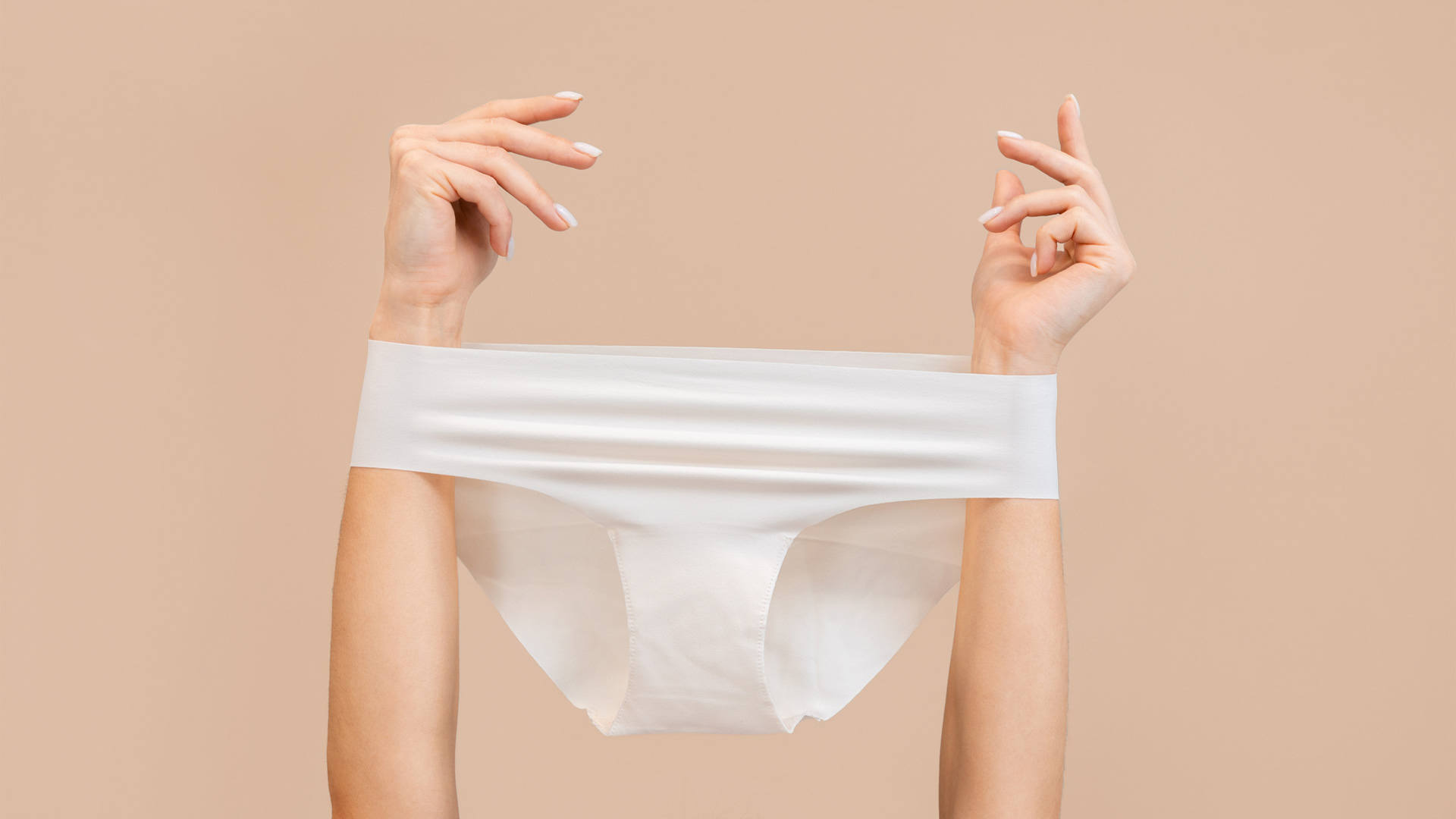
What if I told you that nearly half of the world’s population lives with vaginas, yet many Nigerians still tiptoe around conversations about feminine hygiene? It’s 2024, but in many homes from Lagos to Sokoto, even whispering about menstrual health can make grown women shift uncomfortably in their seats. The myths, shame, and misinformation are as stubborn as Lagos traffic during rush hour. But isn’t it time we set the record straight, using facts rather than fear?
This article exposes the explosive truth—myth-busting the five biggest feminine hygiene misconceptions Nigerian women face daily. Inspired by global science, real-life stories, and local realities, let’s dive right in and separate fact from fiction so women all over Naija can feel truly confident in their skin.
58% of people are either embarrassed or unaware of the importance of discussing gynaecological health with friends and family.
Why Is There So Much Silence About Vaginas in Nigeria?
In many Nigerian homes, talking about “women’s bodies” is as rare as power supply on some PHCN lines. This culture of silence breeds confusion and keeps dangerous myths alive. It’s not just a “village thing”—even educated folks are often left in the dark, breeding anxiety and shame that sideline healthy conversations.
A 2024 WHO global report uncovers the shocking truth: Just 39% of schools worldwide teach menstrual health, and only 11% in sub-Saharan Africa offer basic disposal bins for menstrual waste. Here in Nigeria and across Africa, period poverty is real—reported by women who can’t afford sanitary products and young girls missing school out of embarrassment or for lack of basic facilities.
According to a report focused on South Africa, millions are still deprived of dignity due to lack of access and crushing stigma. In Nigeria, the tale is similar. This silence turns real needs into hidden burdens—no wonder myths thrive!
But time don reach—let’s shine light on the truth, clear out the cobwebs, and talk freely about feminine hygiene, Naija style.
1. Myth: “Deep Cleaning” Is a Must for Feminine Hygiene
Shocking Truth: Your vagina is a self-cleaning wonder—no need for aggressive scrubbing or expensive washes.
Believe it or not, Mother Nature has equipped every woman with an in-built cleaning system. Science confirms the vagina keeps itself fresh using natural bacteria and an acidic environment (usually a pH of between 3.8 and 4.2). Over-cleansing, especially with scented soaps or harsh products, actually does more harm than good by destroying protective bacteria and exposing women to infections.
Yet, a household survey from South Africa highlights how 63% of women reported internal washing, with nearly as many cleaning twice a day—some even using multiple products. Many Nigerian women can relate: who hasn’t heard the market auntie recommending “special” mixtures for “extra confidence”?
How to Gently Care for Your Intimate Area (No Wahala)
The answer is simple: less is more. Wash only the vulva (the outer part) with warm water or a gentle, pH-balanced cleanser. Avoid perfumed wipes, harsh soaps, and definitely ditch any home-brewed mixtures. Internal cleansing is a no-go—it disrupts your body’s well-tuned harmony. Will your granny disagree? Perhaps, but science doesn’t lie!
Bottom line: Let your body do the cleaning. Trust its power—don’t overthink it.
2. Myth: Discharge or Odour Means Trouble
Inside Story: Discharge is not a sign of poor feminine hygiene—your body is simply protecting you.
A little discharge is both normal and necessary. The amount and colour can change through your menstrual cycle, influenced by stress, diet, or even your favourite jollof. It may have a mild scent, but it shouldn’t smell foul. Nigeria-based OB-GYNs confirm this—it’s just part of your body’s natural cleaning process (Cleveland Clinic).
Problems only begin when people try to “cover up” by using strong fragrances or scented pads, which often irritate rather than help. If you notice itching, a strong or unusual odour, or discharge that looks strange, then it’s time to see a doctor—not hit the beauty aisle. Otherwise, let your body do its work. Nothing dey happen!
Try This: pH-Balanced Hygiene Tips for Everyday Naija Women
- Wear comfortable, breathable cotton underwear—skip thick synthetic fabric in the heat!
- Change out of wet clothes or sweaty gym gear quickly—no prolonging dampness, abeg.
- Choose fragrance-free wipes only when absolutely necessary—less is still more.
Bottom line: Normal discharge is your body’s testimony. Masking natural odour with perfume only adds wahala.
3. Myth: Strong Soaps Are Essential Because All Bacteria Are Dangerous
Revealed: Not all bacteria are the enemy—many are your best friends down there!
You might be surprised, but the right bacteria inside the vagina are like well-trained security guards, maintaining balance and stopping harmful germs from taking over. Research in Microorganisms shows the vaginal microbiome is your secret weapon—too much soap wipes them out, opening the door for infections like thrush and bacterial vaginosis.
Choose Microbiome-Friendly Care for Happy, Healthy Hygiene
Instead of grabbing antiseptics or harsh “antibacterial” soaps, reach for mild, pH-balanced cleansers that support healthy vaginal flora. Trusted brands and some pharmacy products in Nigeria already offer pre- and probiotics, encouraging the good bacteria to flourish—ask your pharmacist for options that genuinely protect, not destroy.
Bottom line: The right bacteria are your body’s defence squad. Support, don’t sabotage!
4. Myth: Only Mature or Sexually Active Women Should Worry About Feminine Hygiene
Unprecedented Fact: Feminine care begins at puberty and evolves through all stages—no age restrictions!
From the first sign of menstruation, through pregnancy, and up to menopause (or even after), every woman’s intimate hygiene needs change. Experts in Frontiers in Cellular and Infection Microbiology highlight how hormones, medications (like antibiotics), and day-to-day habits all impact your body’s natural balance—sometimes regardless of sexual activity.
Even girls in secondary school need to learn these facts early! It’s no respecter of age or marital status—a fact many Nigerian mothers and aunties still overlook. Everyone deserves accurate knowledge, whether young or old.
Bottom line: Feminine hygiene is for every woman. Knowledge is your birthright, regardless your journey.
5. Myth: Discussing Feminine Hygiene Is Embarrassing or “Taboo”
Explosive Reminder: Discussing intimate health publicly builds confidence and breaks unnecessary taboos.
According to a 2020 study by The Lady Garden Foundation, over half of women worldwide feel awkward or simply ignore conversations about vaginal health. In Nigeria, the problem is compounded by cultural expectations—“good girls” should be seen, not heard on such topics.
But here’s the gist: keeping quiet only strengthens ignorance and stigma. Health experts across Africa encourage women to speak up—just as you share beauty secrets or swap recipes. It’s time we treat intimate wellness like any other health topic—no shame, no hiding, just open conversation.
Why Breaking the Silence Matters for Nigerian Women
Normalising these discussions helps future generations grow up confident and informed. Imagine if girls learned early on that there’s no “shame”—only self-respect and wisdom in knowing their bodies. Open up, share your knowledge, and remember: empowered women empower communities.
Bottom line: When you speak up, you teach others, reduce stigma, and ignite positive change. Talk your talk with pride!
Confidence Begins With Knowledge—No Shame, No Stories
Feminine hygiene myths might be as common as suya sellers at a Lagos bus stop, but reliable information is your shield. The takeaway? Science, not stigma, is what truly defines feminine hygiene for Nigerian women. Whether at home, in the market, or scrolling on your phone, pass the facts along. Let’s create a generation of women—mothers, sisters, daughters—who step out with dignity and pride, armed with knowledge.
Your voice matters! Have you or someone you know faced myths or awkwardness about feminine hygiene in Nigeria? What advice or experiences would you like to share with other women? Drop your comments below—let’s keep this vital conversation going!
Got a story you want published, or want to sell your story to inspire change? Reach us at story@nowahalazone.com.
For support or feedback, you can also contact us at support@nowahalazone.com.
Stay in the loop—follow us on Facebook, X (Twitter), and Instagram for more health and lifestyle tips for modern Nigerian women.