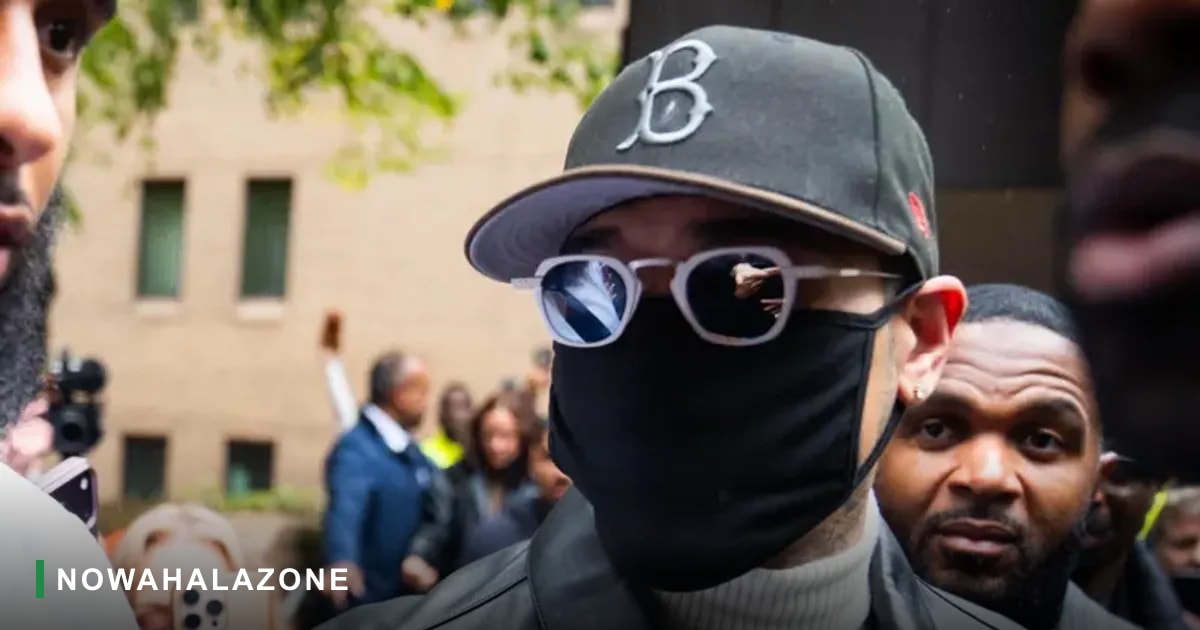


What really happens when the glitz and glamour of Lagos nightlife meets the unwavering eyes of the law? In a city where high-profile parties never seem to end, the recent arraignment of club owner Mike Nwalie—famously known as Pretty Mike—has put Nigeria’s buzzing entertainment industry under the harsh spotlight of judicial scrutiny. For many Lagosians, the unfolding drama at Victoria Island’s vibrant Proxy Night Club reads like an explosive scene straight out of Nollywood.
Late October 2025. Music vibrating through the streets. Inside Proxy Night Club, there’s laughter, flashing lights, and the expectation of another wild night. Outside, however, law enforcement is quietly watching, ready to pounce.
Nightlife Meets the Law: Allegations Against Pretty Mike and His Supervisor
It wasn’t just another Friday for Pretty Mike, a well-recognised face among Lagos’ elite. The Federal High Court in Lagos reportedly granted him and his club supervisor, Joachim Hillary, ₦50 million bail each after they were arraigned on charges related to alleged drug activities at his famed club on Akin Adesola Street, Victoria Island. According to the National Drug Law Enforcement Agency (NDLEA), the dramatic turn of events followed a sting operation on October 26, 2025, which the agency says uncovered:
- 200 grams of Cannabis Sativa
- 177 cylinders of Nitrous Oxide—popularly known as “laughing gas”—weighing a disclosed 364.662 kilograms
The NDLEA also alleges that Hillary was caught with Cannabis Sativa on the previous day. The charges? Conspiracy, unlawful drug possession, and permitting the use of the club for drug-related activities—a mix that could easily turn a socialite’s headline into every parent’s worst nightmare.
The Accusations: Legal Hurdles and Presumption of Innocence
According to prosecutor Buhari Abdullahi, the offences breached specific provisions of the NDLEA Act, Cap N30, Laws of the Federation, 2004. Notably, Pretty Mike is accused of knowingly allowing his premises to be used for illegal drug purposes—a serious claim under Nigerian law.
Despite the gravity of the situation, both men pleaded not guilty—a choice that sets the stage for an unprecedented courtroom showdown. As the news filtered through social media, many Nigerians couldn’t help but ask: “Who dey run things for Lagos?” and “How come big men never dey far from controversy?”
Controversy in Court: The Bail Application Drama
Hot on the heels of their pleas, defence counsel Dr B.S. Awosika (SAN) took centre stage, requesting bail on liberal terms. He emphasised that his clients had no criminal history and were unlikely to abscond. Awosika’s measured argument—“Let the law take its course, but do not punish before conviction”—rang out in the courtroom.
Prosecution counsel Abdullahi, however, was having none of it. He argued—point blank—that the defence could not establish enough grounds for bail and pushed instead for an accelerated trial. The tension was thick enough to slice with a butter knife.
Justice Ambrose Lewis-Allagoa reminded the court and all watching that the cornerstone of Nigerian justice is the presumption of innocence. Unless compelling reasons to deny bail emerged, the defendants could not be prematurely condemned by rumour or reputation. In this light, each was awarded ₦50 million bail—two sureties needed for each, with an affidavit of means sworn.
The Court’s Decision: Instead of immediate remand, both men were released into the custody of their lawyers while bail terms were worked out—a nod to due process. With this, the judge adjourned the case to January 14, 2026, for trial commencement.
Lagos Nightlife, Youth, and the Tug of Tension
While the courts will decide legal guilt, the social debate in Lagos is already heated. For many young people, places like Proxy Night Club represent not just escape but opportunity: a chance to network, to show, to shine. Yet the downside—perceived rising drug use at nightspots—worries parents, authorities, and community leaders alike.
According to Dr. Uche Obi, a Lagos-based sociologist, “Nightlife is big business in Nigeria, but when allegations of drugs come up, it shakes public trust and could prompt regulatory crackdowns. The tension is always between economic freedom and social responsibility.”
Nigeria’s efforts to regulate controlled substances are tough. The NDLEA has ramped up enforcement, with headline raids happening across major cities. Recent national data cited by the NDLEA shows increased seizures of illicit substances, particularly among youth in urban centres. Still, some argue that clampdowns at entertainment venues risk driving the scene underground, where harm may be harder to control.
Punishments, Precedents, and the Road Ahead
If found guilty, the alleged offences carry steep penalties under Nigerian law, ranging from lengthy imprisonment to hefty fines, as outlined in the NDLEA Act. Previous cases involving celebrities and club owners have drawn public interest, though not all have led to convictions. While a few remember the early 2020s crackdown in Abuja where several night clubs temporarily shut down, some observers say what happens in Lagos often sets the tone for national trends.
Legal experts, such as Barrister Olayemi Gold, warn, “Regardless of the personalities involved, drug law enforcement is a moving train. But justice must be open, evidence-based and devoid of sentiment. Every accused has a right to fair hearing.”
The Pretty Mike case, with its big names and big stakes, is a powerful illustration of how lifestyle and law intersect in Nigeria. The final verdict, whatever it may be, is certain to reverberate beyond Victoria Island—affecting club owners, revellers, and even policymakers from Surulere to Port Harcourt.
What Does This Mean for Nigerians—and the Future of Lagos Nightlife?
As Lagosians digest these revelations, many are asking themselves: Will clubbing in Nigeria ever be the same? Or will this mark the start of stricter oversight and new rules for all nightclubs?
- Should night club owners face higher accountability for the actions of partygoers?
- How can authorities balance vibrant nightlife with responsible enforcement?
- What lessons—if any—does this case offer to young Nigerians navigating “the good life”?
Ultimately, one thing is certain: Lagos nightlife is not for the faint-hearted, and the lines between entertainment and strict regulation will keep shifting as the city grows. Nigerians, famous for their resilience and knack for adaptation, will surely keep watching how this story unfolds—from the streets to the courtrooms and back again.
This story is still developing. For updates as the trial progresses, and for detailed explainers on drug laws and enforcement in Nigeria, keep your eyes here.
What’s your take on the drama shaking up Lagos nightlife? Do you think club owners should be held responsible for what happens on their premises? We’d love to hear from you – drop your comments, opinions, or advice below!
If you have a hot tip, exclusive update, or personal story to share or sell, don’t keep it to yourself! Reach out anytime at story@nowahalazone.com. For general support or to get your story featured, contact us at support@nowahalazone.com.
Stay engaged and informed: follow us on Facebook, X (Twitter), and Instagram for the freshest news and behind-the-scenes gist!