
What does it really mean for Nigeria when global powers label our country a “Country of Particular Concern”? Is it a genuine warning, or just an explosive attempt to tear at the delicate fabric of our unity? In a nation where neighbours share Eid rice and Christmas stew, this latest international tag has stirred deep emotions across the land—prompting the Nigerian Supreme Council for Islamic Affairs (NSCIA) to finally break its silence with a powerful inside story.
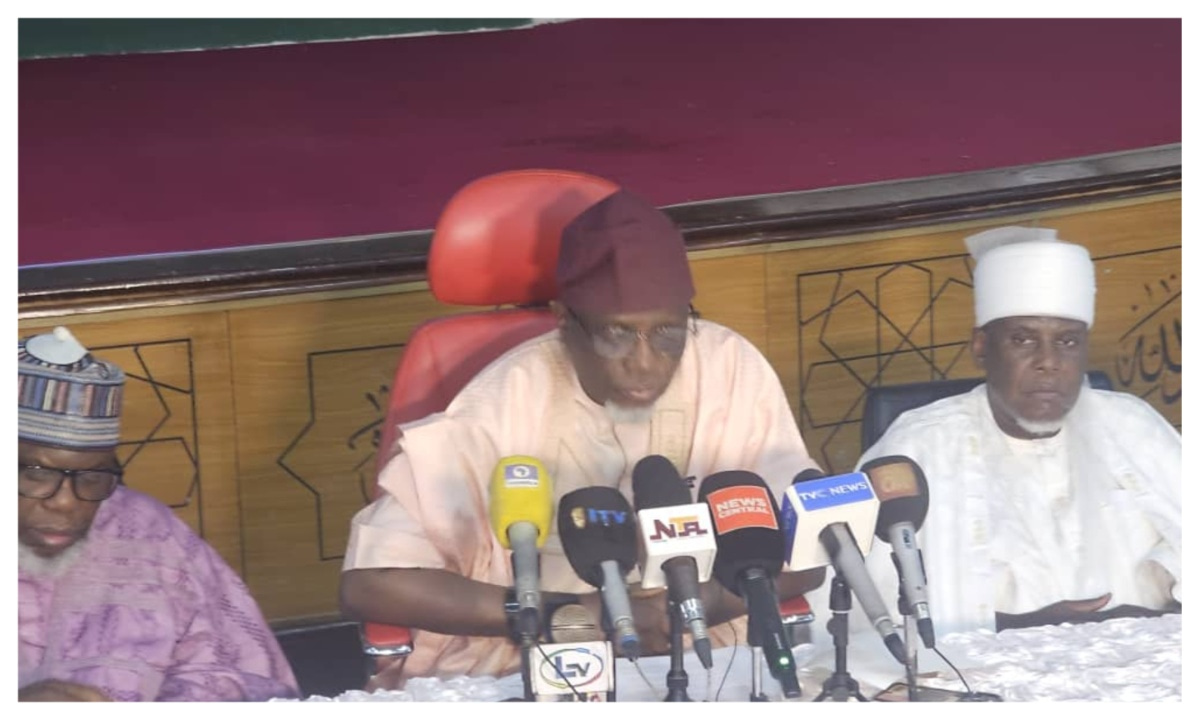
On a humid Sunday in Abuja, with journalists crowding anxiously under the shade of their notepads, Professor Ishaq Oloyede, National Secretary of the NSCIA, revealed their stand on this contentious designation by former United States President Donald Trump. According to Oloyede, describing Nigeria as a hotbed of Christian persecution is not just misleading; it is an attempt to stoke the already simmering flames of religious tension and could force open old wounds we have worked so hard to heal.
The Realities Behind the “Country of Particular Concern” Label
What lies behind all these global headlines and fiery social media debates? The term “Country of Particular Concern” is tossed around whenever a nation is accused of grave violations of religious freedom. But for many ordinary Nigerians, it’s not fighting about church versus mosque—it’s the daily hustle to dodge bandits on the highway or rebuild after yet another communal clash.
- Primary Keyword: “Nigeria Country of Particular Concern”
- LSI Keywords: religious freedom, Christian genocide claims, violence in Nigeria, security challenges, NSCIA reactions
- Related Concepts: terrorism, climate-driven conflict, foreign intervention, unity in diversity
Oloyede didn’t mince words, saying, “There is no Christian genocide in Nigeria. Both Muslims and Christians are victims of terrorists and criminal gangs. These attackers do not represent Islam. They kill Muslims, destroy mosques, and target everyone.” To many residents of communities in the North and Middle Belt, these statements hit home. Who among us does not know a family—Muslim or Christian—who has mourned after a night of gunfire or morning raiding?
Digging Deeper: What Do Independent Reports Really Say?
Is all the violence just religion, or something deeper? According to global agencies like Amnesty International, investigations reportedly found no conclusive proof that Nigeria’s ongoing violence meets the legal standard for genocide against Christians or any single group. Instead, the reality on ground is much more complicated, involving:
- Endemic terrorism by groups like Boko Haram and ISWAP, targeting both churches and mosques
- Resource-driven clashes — often between herdsmen and farmers — sparked by climate change and economic hardship
- Communal banditry and political manipulation of ethnic or religious identities for local gain
Ask Mama Fatima from Zamfara or Pastor Emmanuel from Benue—each will tell you: bullets do not ask for your faith before they hit.
Whose Narrative Is This? Global Politics and Local Realities
Why does it often seem like foreign eyes only focus on our religious identity, not our shared pain? Oloyede argued—allegedly, according to official statements—that the recent push to brand Nigeria as persecuting Christians increased after our government made its stance known at the United Nations in favour of a two-state solution in Palestine.
He suggested that some international lobby groups with strong political connections could be leveraging narratives around “Christian genocide” in Nigeria to distract from global crises—especially the ongoing humanitarian crisis in Gaza. Is it so far-fetched to think that distant decisions made in Washington or Brussels could echo in the markets of Yola or the streets of Jos?
“United We Stand”: Can Outsiders Divide Nigeria?
For many, the real shock is not in the headlines but the possibility that outside powers may take advantage of our differences to “scatter our yam porridge.” The NSCIA’s call is simple but urgent: “Nigerians, shine your eye! Don’t let foreign interests plant discord between us.”
Both at formal briefings and on the streets, the sentiment echoes: Christians and Muslims must approach Nigeria’s worsening security situation as a national, not religious, crisis. After all, in places like Kaduna South, it’s not unusual to find Alhaji Musa rushing to help rebuild Pastor Steven’s razed house—or vice versa—a testament to Nigerian resilience and the storied tradition of “one-ness in hardship.”
Official Response: Security, Not Scapegoating
So, what does the NSCIA really want from global partners like the U.S.? Certainly not a label that pours petrol on smoldering divisions. Instead, Oloyede urged President Joe Biden’s administration (as reported by NSCIA) to focus energy on practical solutions: intelligence sharing, logistical support, and humanitarian aid, not symbolic blacklists.
- Supporting Nigeria’s battle against terrorism benefits not just West Africa but the global effort against extremism
- Assistance should aim at strengthening institutions and helping communities rebuild, not deepening suspicion
- Maintaining balance: Encouraging unity, accurate reporting, and respect for Nigeria’s rich diversity
Local Voices: What Are Everyday Nigerians Saying?
Step into any pepper soup joint or roadside kiosk, and you’ll hear a range of opinions. Some are tired of foreign stereotypes painting Nigeria with one brush. Others worry, with real concern, that extremist attacks are still not being tackled boldly enough by authorities. Local analysts like Mrs. Ejirofi Okenwa, a conflict studies lecturer in Ibadan, suggest that, “International pressure can be helpful, but only if it’s based on hard facts and takes our real context into account.”
Meanwhile, many advocates insist that labelling Nigeria a persecution hotspot does not address the root causes: poverty, weak institutions, and lack of education. Indeed, former conflict zones like Liberia and Sierra Leone show that recovery begins when communities focus on healing, not finger-pointing.
Looking Ahead: The Challenge of Unity in Today’s Nigeria
Can Nigeria rise above external pressure and internal suspicion? That’s the million-naira question. According to the NSCIA, the path forward lies in communal harmony, honest dialogue, and robust security reforms—not scapegoating religious groups.
“We will not allow foreign interests to fragment Nigeria. We stand for unity, peace, and justice,” Oloyede declared, echoing a feeling that is both ancient and urgently new.
- Key Takeaway: Nigeria’s violence is a national problem with complex roots—not a simple story of one religion hunting another.
- No one gains when outsiders fan the embers of division.
- What matters most is that Nigerians, regardless of faith, remain each other’s keepers and work together for a peaceful future.
As the country continues to navigate choppy waters, the NSCIA’s message is clear: Unity is our best shield.
Your turn, Nigeria!
Do you believe foreign governments really understand the everyday struggles faced by Nigerians, or are they missing the bigger picture? Should Nigeria push back harder against international narratives or open the floor for deeper, cooperative solutions? What’s your view? Drop a comment below and follow us for more thought-provoking stories!
Have a news tip, insight, or story to share or even sell? We want to hear from you! Email us at story@nowahalazone.com to submit your story or discuss story sales opportunities. For general support and feedback, you can also reach us at support@nowahalazone.com.
Stay up to date—join our online community! Follow us on Facebook, X (Twitter), and Instagram for the latest news, opinion, and insight, all with a distinctly Nigerian perspective!