
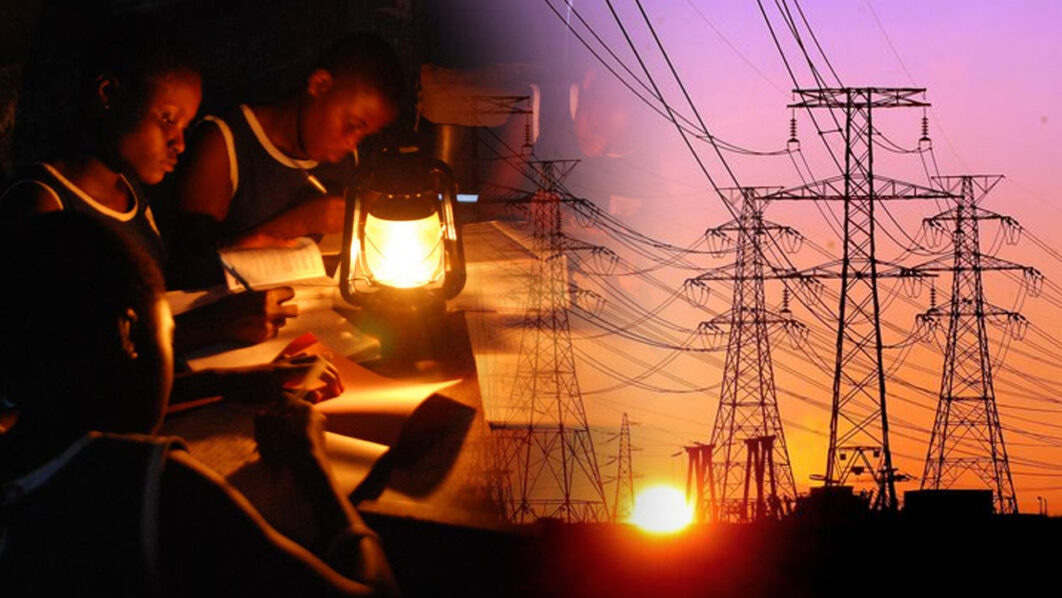
Have you ever wondered what it’s like for an entire estate in Ibadan, once the envy of West Africa, to now be plunged into darkness, night after frustrating night? That’s the explosive reality facing Bodija Estate—a community that once set the pace for urban living in Nigeria, but now wakes up to the constant hum of generators and the noise of worries nearly every day.
Bodija Estate was not just any neighborhood. Established back in 1959 under Chief Obafemi Awolowo’s visionary government, this area of Ibadan represented the gold standard for planned residential estates in Nigeria—a symbol of hope, progress, and urban comfort. Fast-forward to today, however, and according to the Bodija Estate Residents Association (BERA), the area is caught in a shocking struggle with erratic power supply that’s threatening local businesses, family life, and the estate’s proud legacy.
A Fading Powerhouse: The Inside Story of Bodija’s Power Crisis
According to Pastor Muyiwa Bamgbose, President of BERA, the people living in Old Bodija, New Bodija, Basorun, Iwo Road, Oje, Mokola, and nearby neighborhoods have spent the last five years in the dark—literally. Like a recurring bad dream, power outages have become so frequent that residents report being without light for days, sometimes even weeks, with no reassuring word from the Ibadan Electricity Distribution Company (IBEDC).
Imagine a business trying to keep food cold in this heat or a student studying for WAEC with only a flickering torchlight. Even the “I beta pass my neighbor” generator has become a lifeline—and a growing nuisance, with all the fumes, noise, and extra cost attached. As one resident, Mr. Adeola Fatunji, put it, “Man, in this Bodija, no be small thing. We pay like we be big man, get light like we dey bush.”
Promises, Tariffs, and a Broken System: What’s Really Going On?
At the heart of the controversy is the electricity classification system, meant to guarantee premium power to certain neighborhoods. Bodija was originally placed in Band A—supposedly securing a minimum of 20 hours of daily electricity. Yet, according to reports from BERA, this promise has remained out of reach for most residents. In April 2024, the federal government approved a new Band A tariff of ₦225 per kWh, just for Bodija and similar communities to be downgraded to Band B after the hike—now theoretically entitled to 16 hours daily. But again, residents allege that light rarely stays on long enough to power their hopes, let alone their freezers or businesses.
This situation is even more biting considering that each home is still expected to pay the higher rate. It’s a paradox many Nigerians know too well: pay more, get less. Little wonder it feels like a case of “robbing Peter to pay Paul,” but both Peter and Paul are suffering all the same.
The Power Infrastructure Dilemma: Why Is the Light Always Flickering?
According to officials, the crux of the matter lies with a single 40 MVA transformer serving Bodija and neighboring areas. Managed by the Transmission Company of Nigeria (TCN), this transformer is reportedly overloaded—a classic example of too many people chasing too little supply. As Ibadan’s population and energy needs continue to surge, residents claim that this infrastructure, built in a different era, simply can’t keep up.
The pressure is mounting. From local traders in Mokola to families in Basorun, everyone is feeling the pinch. As Pastor Bamgbose noted, “We cannot continue like this. The whole community—old, young, rich, poor—everyone is affected. We hear promises, but what we need now is action.”
The Search for Solutions: Residents Call for Urgent Government Intervention
BERA has taken their plea to the top, urging the Honourable Minister of Power and the Federal Government to fast-track the installation of a new transformer before December 2025. They believe that this single step could restore hope, revive neighbourhood businesses, and improve everyday life for thousands across Ibadan. The ask is clear: “Don’t let Bodija’s legacy fade into darkness.”
According to BERA, addressing this issue is not just about providing consistent electricity—it’s also about honouring Bodija’s special place in Nigeria’s heritage and ensuring fairness in how resources are shared across communities nationwide. In their words, the time has come for leaders to “walk the talk” on equitable power reform and sustainable development.
IBEDC Responds: Commitment, Cautious Optimism, and Customer Engagement
Aware of the growing frustration, the Ibadan Electricity Distribution Company Plc (IBEDC) claims to be taking fresh steps towards more reliable electricity supply and better communication with its customers. During a strategic breakfast meeting for major clients—industrial and commercial “Maximum Demand” customers—at the Jogor Centre in Ibadan, IBEDC’s Managing Director, Engr. Francis Agoha, acknowledged the challenges and restated the company’s commitment to positive change.
His words: “This meeting is not only to listen but also to appreciate you for your loyalty, partnership, and patronage.” The event, part of the 2025 Customer Service Week themed “Mission: Possible,” was reportedly an opportunity to hear directly from those on the receiving end of power issues—and try to rebuild trust. Only time will tell if it leads to real change on the ground.
Navigating the Nigerian Power Puzzle: What’s the Way Forward?
The Bodija crisis isn’t unique; it’s just one dramatic chapter in the ongoing story of Nigeria’s national electricity struggle—a system where hope is often just a flicker and improvement feels like chasing a mirage. Experts point out that similar power supply challenges are rampant everywhere from Lagos to Port Harcourt, and that a genuine solution will require:
- Upgrading ageing transmission infrastructure nationwide
- Transparent communication from distribution companies
- Sustained government investment and oversight
- Community feedback to drive reforms
Yet, Nigerians are nothing if not resilient. In bustling markets, on busy streets, and within tight-knit estates like Bodija, the people continue to push for action, justice, and a brighter tomorrow—one where dropping power supply no longer dims the nation’s promise.
Could Bodija’s Battle for Light Spark a National Conversation?
With elections looming and Nigeria’s energy future in the spotlight, cases like Bodija’s serve as powerful reminders of what is at stake—not just for city dwellers, but for every home and business that relies on stable electricity. The outcome doesn’t just matter for Ibadan; it’s a lightning rod for wider change.
What will it take for Bodija Estate and similar communities to enjoy steady power again? Are government interventions enough, or is deeper reform required to finally light up Nigeria?
Share your opinion—do you live or work in an area hit by unstable power supply? How has it affected you and your family? Let’s hear your own experience—drop a comment below and join the conversation!
For support or general inquiries, reach out at support@nowahalazone.com.
Spread the word and stay updated: Follow us on Facebook, X (Twitter), and Instagram for the latest news, insights, and stories from communities that matter.
Don’t let your voice fade into darkness—share your story and be part of the change!