
What if a superpower threatened to invade Nigeria tomorrow—on the excuse of “saving lives”—but with its eyes fixed on Nigeria’s minerals? Sounds like a Nollywood plot, right? Yet, this explosive scenario is not just a figment of imagination; it’s a burning topic shaping global headlines and local WhatsApp groups alike. The inside story reveals how the scramble for rare earth minerals is rewriting the script of Nigeria’s national security, international relations, and even your next phone or car. Sit tight, because this journey dives deep into the real forces at play—far beyond the headlines and political soundbites.
Why Nigeria’s Wealth Is at the Centre of Global Power Games
Picture Nigeria bordered by Niger, Chad, and Sudan—a stretch of land rich in uranium, cobalt, lithium, and rare earth minerals that turn technology dreams into reality. According to Global Geopolitics, these aren’t just underground treasures—they’re the backbone for everything from electric vehicles to military satellites. Nigeria, in fact, ranks fifth worldwide in rare earth deposits, trailing only behind global giants like China and the United States.
Ever wondered why Western leaders mention Africa so often at international summits? It’s not just about goodwill. Rare earth elements drive clean energy tech and power modern defence equipment—meaning the world’s eyes, especially from the US and China, are fixed firmly on West Africa’s mineral belt.
US-China Tensions and the Rare Earths Race
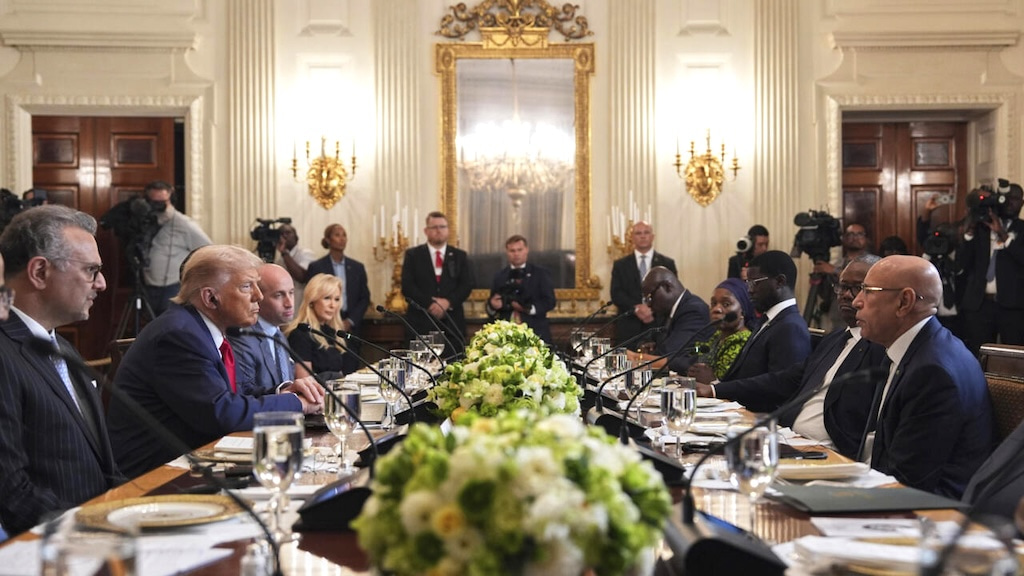
Let’s not deceive ourselves—when President Trump issued that shocking threat to Nigeria (under the flag of “Christian genocide”), it sounded outlandish. But peel back the curtain, and there’s a material motive. US dependence on Chinese rare earths remains sky-high, despite reported threats of 140% tariffs and escalating trade tensions. Trump himself ultimately reversed course, realising that a trade war would batter the US economy and lead to job losses from Silicon Valley to rural Texas.
According to international reports, the US quickly signed agreements with Southeast Asian countries, pushing for new mining deals to reduce reliance on China. Africa, especially Nigeria and its neighbours, has suddenly become the next frontier. Recent diplomatic efforts with countries such as DRC, Rwanda, Kenya, and Tanzania signal a strategic pivot—one with huge implications for everyday Nigerians.
How Foreign Policy Affects Everyday Nigerians
Let’s keep it real: international politics might sound distant, but its effects are anything but. If you’ve ever wondered why mining companies pop up in remote villages or why conflict zones sometimes coincide with mineral deposits, the answer often lies in these big power rivalries.
The US, by history and expert analysis, often uses every tool in its foreign policy bag. That ranges from diplomacy and investment incentives, to more aggressive tactics—like suspending aid, withdrawing support, or even military intervention. A critical example: the DRC-Rwanda peace deal, brokered in part by the US, paved the way for rare earth investment, benefiting both American companies and local elites. Meanwhile, several African countries have, allegedly, hired international lobbyists to gain favour in Washington, sometimes trading off access to their resources for the promise of humanitarian or security support.
During the Cold War, few foreign interventions were cloaked in the language of “helping the oppressed.” Instead, it was often naked protection of economic interests. Think of the US in Guatemala (1954) or the Suez Canal crisis (1956)—major moves fueled by resource security, not charity.
But things changed in the 1990s. Now, interventions are often justified as “humanitarian,” but critics say the underlying motivations rarely disappear. For example, according to multiple studies and United Nations observers, claims of “saving lives” or “promoting democracy” are sometimes used to pursue deeper economic, strategic, or material agendas.
Nigeria could easily become part of this broader pattern, many analysts warn, with local communities caught in regional power struggles over their ancestral lands.
Violence in Nigeria: The Many Faces No One Talks About
It’s easy for outsiders to oversimplify Nigeria’s security crisis, especially when foreign leaders issue blanket statements. But, as any Lagos danfo driver or Jos market woman will tell you, the reality is complicated.
- In the North-East, Boko Haram’s violence overwhelmingly affects Muslims who reject their radical ideology.
- Banditry in the North-West? Both Muslims and Christians, young and old, pay the price.
- The Middle Belt’s herder-farmer conflict draws international outcry, particularly due to reports that Christian communities are targeted, but Muslims in the region also face harm.
- Fulani herders clashing with Hausa farmers (both predominantly Muslims) adds another complex layer.
- In the East, violence by armed groups and bandits affects Igbo communities, who are largely Christian.
- General insecurity has now made highway travel a risk from Maiduguri to Lagos.
Factually, as described by local experts like Kaduna-based security analyst Dr. Salisu Danladi, Nigeria’s violence is driven more by non-state actors—militias, bandits, extremist groups—than central government actions. Economic exclusion, longstanding marginalisation, and corruption create the environment, but armed groups are the key players fueling chaos.
So, would an external intervention by the US, as threatened, solve anything? Nigerians in security circles, such as Abuja-based political commentator Ngozi Eze (interviewed in February 2024), say such actions risk dragging the nation into a protracted conflict—a “messy and costly war” with little appetite for a long-term foreign military presence. The US track record in Afghanistan, Libya, and Iraq allegedly offers little comfort for those hoping for quick fixes.
The Real Game: Negotiation or Control?
Shortly after Trump’s heated comments, President Bola Ahmed Tinubu addressed the nation, affirming his administration’s outreach to leaders across faiths and regions. According to his press release, Nigeria “opposes religious persecution of any kind.” Yet, his invitation to work with the US government leaves many wondering if this is a calculated attempt to steer the conversation away from conflict—and towards the negotiating table.
Could mineral resources—rare earths, uranium, and cobalt—be the real items on the table? Analysts believe so, noting that foreign investors and mining outfits often thrive in chaotic regions, striking deals regardless of the local security situation.
It’s the kind of high-stakes chess match that makes everyday Nigerians ask: will Nigeria gain real benefits or simply see more of its wealth slip through its fingers? And how much say do citizens have in decisions about natural resources beneath their very feet?
What Does This Mean for Nigeria and West Africa?
For many West Africans, this is not just global politics—it’s about land, livelihoods, and the promise (or pain) that comes with mineral discovery. Civil society advocates like Amina Sule of Jos-based Resource Justice Initiative urge more transparency and local control. She argues, “If we don’t champion fair deals, we’ll only see more conflict and less development in our communities.”
Meanwhile, international agencies such as the United Nations Office for West Africa regularly warn of the destabilising effects of resource-fueled insecurity. There’s a need—now more than ever—for broad-based reforms so that resource wealth leads to better schools, hospitals, and roads, not endless cycles of conflict and extraction.
Conclusion: Who Controls Nigeria’s Future?
As the world’s attention swings to Nigeria’s rare earth minerals, the main question is no longer just about oil or “saving lives.” It’s about who really controls Africa’s resources and whether everyday Nigerians will benefit from this global interest. Are we about to witness history repeat itself, with foreigners calling the shots from faraway capitals? Or can Nigeria chart a path that’s truly in the people’s interest?
What’s your take? Should Nigeria negotiate hard for its resources, or is the foreign scramble for minerals a disaster in the making? Drop your comments below and follow us for regular updates on this unfolding story.
Have insights, tips, or a local perspective on this issue? We’d love to hear your thoughts or feature your story! If you have a breaking story to share or would like to sell your story, email us at story@nowahalazone.com.
For general support, reach out at support@nowahalazone.com.
Stay connected for the latest updates—follow us on Facebook, X (Twitter), and Instagram!