

Can one moment truly change the security story of a nation? Picture this—somewhere deep in the rugged forests of Borno State, dusk was settling, and the hum of surveillance drones mingled with the anxious breaths of Nigerian soldiers. Tension sliced the air. The world held its breath.
According to recent military updates, what followed that evening in October was nothing short of explosive—a bold stand-off that saw Nigerian troops reportedly neutralize over 50 Boko Haram fighters. It’s stories like this, full of intensity and grit, that shine a light on the enormous strides being made in the fight against terrorism within Nigeria’s borders.
Unprecedented Gains in the War Against Terrorism: Inside the Nigerian Defence Effort
When people in the North-East tell you, “Na God dey save person for this country,” they are not joking. Yet, lately, there’s a new sort of cautious optimism on the streets. While Boko Haram and bandits once sowed fear with reckless abandon, the tables appear to be turning.
The Nigerian Armed Forces, aided by cutting-edge intelligence, surveillance, and reconnaissance (ISR) technology, have continued to mount what officials call “precision strikes.” According to security sources, these advancements give our men and women in uniform fresh leverage—allowing them to respond with overwhelming force when it matters most. And the numbers, though grim, tell a story of progress: within just eight months, over 592 terrorists have reportedly been taken out in Borno State alone. In Zamfara, more than 400 armed attackers were intercepted and neutralized in a single sweeping operation last August, security operatives reported.
Historic Drop in Insecurity: By the Numbers
But is this just military bluster, or are the results visible on ground? Naysayers may argue, but respected international data appears to echo this trend. According to the March edition of the Global Terrorism Index, monthly deaths attributed to terrorist activity in Nigeria have dropped from a staggering 2,600 to fewer than 200—a figure reportedly at its lowest in over a decade. That’s not just a statistic; for thousands of families, it’s the difference between life and unspeakable loss.
Local analyst, Musa Dauda, shared in an interview, “We have suffered for years, but you must give credit where it’s due—the security boys are not sleeping. People who ran from their villages are returning. Yes, there is still fear, but something is changing.”
Freedom for Victims: A Ray of Hope
How often do we hear about kidnapped victims returning home safely, without paying ransom? It almost sounds unreal, but reportedly over 10,000 men, women, and children—mainly from Zamfara, Sokoto, Kaduna, Katsina, Taraba, and Adamawa—are now back with their people, free from the clutches of criminal gangs. Security agencies attribute these successes to a blend of “kinetic and non-kinetic” strategies—meaning firepower backed by negotiation, intelligence, and, at times, sheer community doggedness.
“My daughter was missing for months, but she came back alive. I no fit cry finish,” narrated Mrs. Madu from Kaduna, brimming with emotions. Her ordeal is echoed by thousands who had lost hope.
Modern Warfare: Tech, Tactics, and Strategic Partnerships
Nigeria’s campaign has also evolved in other significant ways. According to the Defence Headquarters, there is now heightened security presence across formerly vulnerable border communities. Inter-agency collaborations—sometimes seen as a “palava” due to rivalry—have been strengthened, and new investments in modern equipment are making the difference visibly tangible.
Reports also indicate that more than 5,000 military-grade rifles have been recovered and destroyed, stemming the tide of illegal arms. Over 20 alleged gun-running networks have been intercepted nation-wide—with the security architecture becoming less “leaky” as new policies take root. Remember the top Ansaru leaders picked up in August? They’re currently facing prosecution—a clear message to criminal masterminds that their days may indeed be numbered.
Presidential Resolve: No More Excuses, Only Results
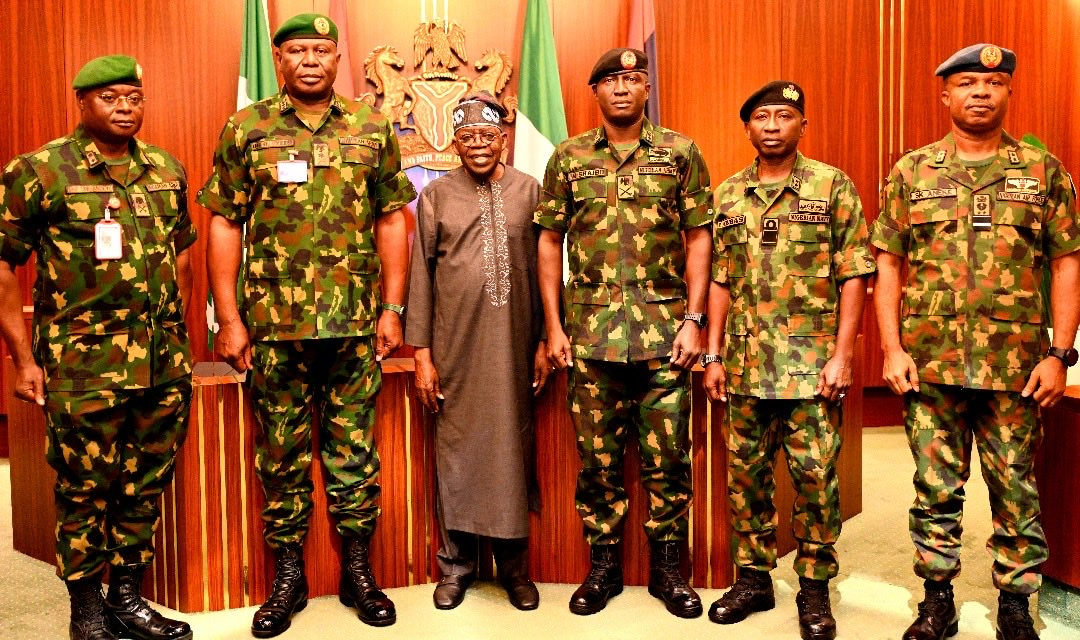
During the decoration of Nigeria’s newly appointed service chiefs, President Bola Tinubu was refreshingly blunt: “We cannot allow the crisis that began in 2009 to persist any longer…Nigerians expect results, not excuses…Let’s stay ahead of those who seek to threaten our peace. We must be decisive and proactive. Let us smash the new snakes right at the head.” (Presidency, July 2023).
His marching orders cut across every security formation—a sign that, from the Villa to the trenches, the clarion call is the same: defend our people, innovate, and use every available resource.
Challenges and Cautious Optimism: What Next?
However, it’s not all rosy. Experts warn that, as some threats dwindle, others mutate. Rising cases of new armed groups in the North-Central and the perennial “unknown gunmen” in the South-East still demand constant vigilance. “Terrorism adapts. Now is the time for Nigeria to adapt faster,” said security scholar Dr. Chinedu Nwogu, referencing trends across West Africa where militants change tactics as soon as pressure mounts.
Still, the strategic deployment of fresh technology, the creation of the Strategic Communication Interagency Policy Committee (SCIPC), and ongoing regional partnerships (especially with Niger, Chad, Cameroon, and Benin) are tightening the net on criminals eager to outwit our borders.
Local Impact and the Road Ahead
- Displaced communities slowly rebuilding: Reports of villagers returning and schools reopening are emerging from Borno and Zamfara.
- Youths standing as vigilante partners: Grassroots involvement in surveillance is helping localize security gains.
- Stronger ties with neighbours: Regular joint border patrols, as confirmed by Defence Headquarters, make Nigeria less attractive to transnational criminals.
- Ongoing reforms: Agencies like the National Security Adviser’s office are focused on both preventing arms inflow and countering misinformation.
But no one is shouting “problem over.” Instead, analysts urge citizens to remain wary, reporting suspicious behaviour, and cooperating with authorities. As some Lagosians say: “Shine your eye well-well—security na everybody matter.”
Comparative Lens: How Does Nigeria Fare Globally?
Regionally, Nigeria’s recent improvements mirror similar trends in countries like Niger and Chad, where collaborative approaches with local populations and international support have blunted some of the worst extremist violence. The United Nations Office on Drugs and Crime (UNODC) and the African Union continue to emphasize intelligence-sharing and border management as West Africa’s best bet for sustained peace (UNODC).
Is Nigeria out of the woods? Not yet. But these unprecedented gains are making room for hope—one operation, one freed victim, one secured border at a time.
Conclusion: The Shocking Truth About Nigeria’s Anti-Terror Progress
Here’s the inside story: Change doesn’t come overnight—and persistence, innovation, and accountability are now fueling Nigeria’s security resurgence. Yes, there will still be bad days. There will be slip-ups, delays, and heated arguments about what more needs to be done. But for families once torn apart by violence, and communities learning to embrace peace again, these are victories that matter. Small, hard-fought, and utterly Nigerian.
What’s your take—does this shift restore your confidence in Nigeria’s ability to win the fight against insecurity? What would you like to see improved in your community? Drop a comment and follow us for more verified reports and local news you can trust.
We want to hear your thoughts, tips, and eyewitness stories! Have you or someone you know been affected by insecurity? Got a unique local angle on these events? Don’t keep it to yourself—email us at story@nowahalazone.com to have your voice featured or discuss story sales. For general support, reach out to support@nowahalazone.com.
Stay in the loop—follow us on Facebook, X (Twitter), and Instagram for breaking news, updates, and real Nigerian perspectives.