
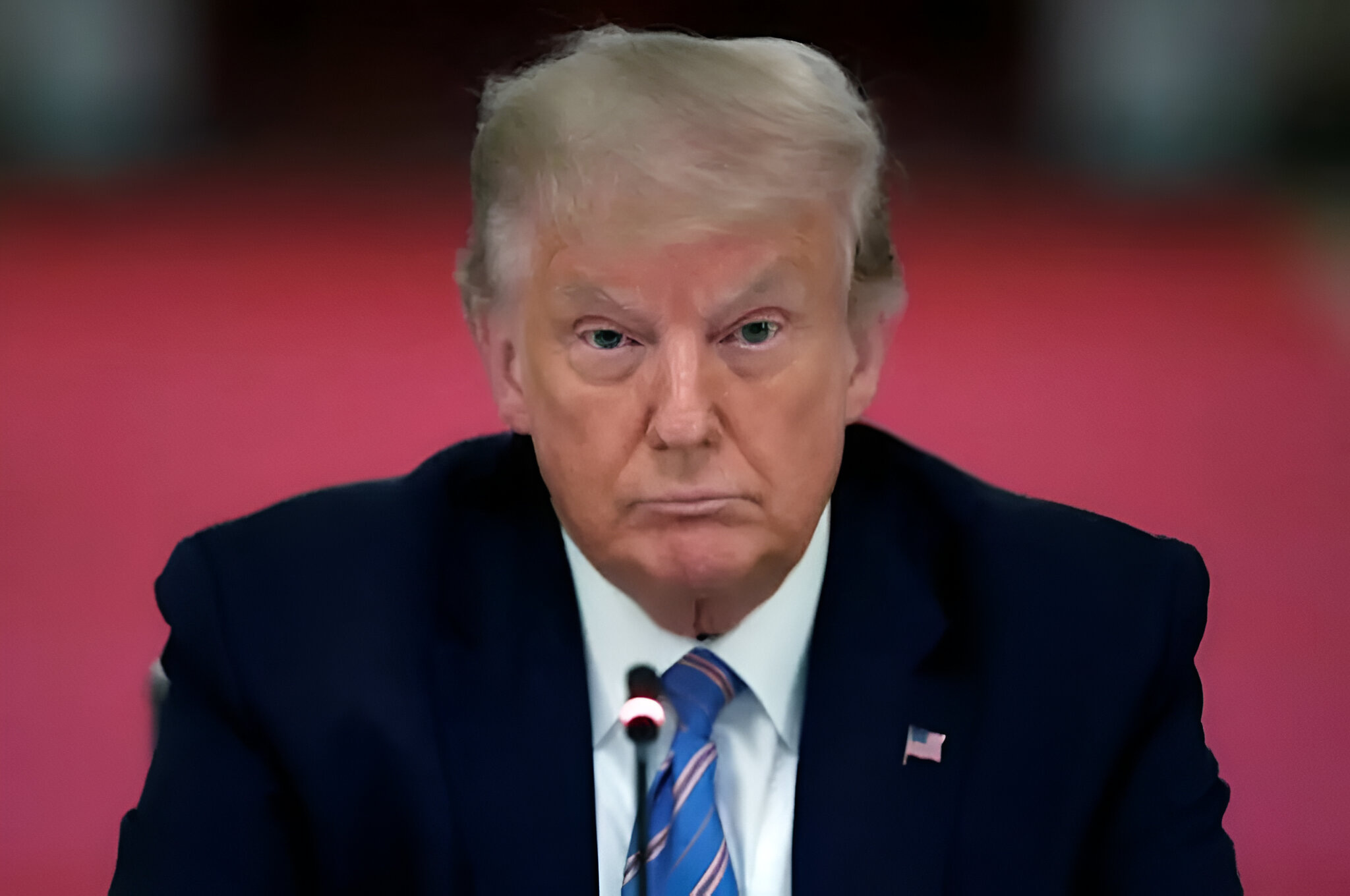
What happens when the world’s most outspoken leader sets his sights on Nigeria, threatening not just words but talk of war? For ordinary Nigerians juggling fuel queues, ASUU strikes, and Sunday rice, hearing that President Donald Trump has allegedly labeled our beloved country as “the most dangerous place for Christians” is more than a global headline—it’s a gut punch that hits close to home.
Let’s be real: if someone had told you five years ago that Nigeria would be caught in the crossfire of America’s political storm, would you have believed it? Now, we find ourselves at the centre of tense international debates, wondering who truly has our interests at heart—and who might be after something else entirely.
Rattling Swords: Understanding Trump’s Explosive Threat Against Nigeria
The situation took a dramatic turn recently when former U.S. President Donald Trump reportedly declared Nigeria “a country of concern” and accused our nation of extreme violence against Christians. The rhetoric didn’t stop at words—he reportedly threatened military intervention and even hinted at the possibility of “regime change.”
In a private message that went viral among Nigerian intellectual circles, a concerned friend didn’t mince words. She argued, “These people are NOT our friends, have never been and will never be; neither should we tolerate having them as our masters, or elders!” The emotion is clear—exasperation, frustration, and a tinge of pride—echoing through her words like the roll of thunder before a heavy Lagos rain.
Her statement reflects the growing skepticism among Nigerians about the motives of world powers, particularly when accusations and threats appear more frequent than offers of genuine partnership. According to Lagos-based security analyst Oluwakemi Badmus, “International pressure should never translate into foreign boots on our soil. Nigeria’s challenges are complex and cannot be solved with bombs or sanctions.”
Context Matters: The Realities Behind The Headlines
To understand the weight of Trump’s explosive claims, we must first reckon with Nigeria’s present reality. Security concerns, religious tensions, and terrorist attacks—from the Northeast to the Middle Belt—have haunted us for years. International organisations, including the United Nations, have consistently highlighted the dangers facing both Christians and Muslims in Nigeria. The insurgencies of Boko Haram, ISWAP, and Ansaru have inflicted grief and hardship on countless families, regardless of faith.
Yet, as many civic voices point out, one cannot reduce Nigeria’s struggle to simple labels or single narratives. “Foreign interventions rarely fix local problems—they tend to pour petrol on an already smoldering fire,” noted Dr. Ayo Amadi, a sociopolitical commentator in Abuja. “No Nigerian wants our nation to become another Libya or Iraq.”
Unpacking the Motives: What’s Really at Stake?
It’s tempting to ask: Is this outburst truly about protecting Christians—or are there other interests in play? Observers say that Nigeria’s vast rare earth minerals, oil reserves, and economic potential make it a prime target for geopolitical jockeying. “All eyes are on our resources—everyone knows it,” explained Dr. Badmus. “When threats of invasion or ‘protection’ come up, local communities feel a chilling sense of déjà vu.” Africa’s history is looped with the scars of exploitation—caution is justified.
Moreover, claims that regime change or military deployments are on the table reportedly echo past interventions elsewhere, from the Middle East to Central Africa. According to an official U.S. State Department report, American foreign policy often justifies intervention to “protect endangered communities,” but outcomes can be unpredictable, to say the least.
Troubling Comparisons: Lessons from Sudan, Libya, and Beyond
For many, the echoes of history are hard to ignore. In Sudan and Libya, outside interference left a patchwork of shattered communities and lingering violence. From Darfur to Tripoli, local populations became pawns in larger geopolitical games. If Nigeria, a nation of more than 200 million, becomes the next theatre, what would be left of our unity?
“There are no smart bombs that know who is Christian or Muslim, Yoruba or Igbo or Hausa,” warns Abuja-based peace advocate Fatima Bello. “When foreign bombs fall, it’s everyday people—market women, schoolchildren, artisans—who suffer first.”
Reactions at Home: Anger, Defiance, and a Call for Unity
The streets of Lagos, Port Harcourt, and Abuja are buzzing with arguments. On radio talk shows and Twitter Spaces, Nigerians are asking tough questions: “Is this about our people’s safety, or is it about something else entirely?”
- Pride and Defiance: In WhatsApp groups and local joints, strong words are flying: “As Africans, we must never bow to intimidation!”
- Calls for Unity: “Now is not the time for infighting,” says community leader Chief Jide Olatunji. “Both Muslims and Christians are victims of violence—together, we must reject any foreign ploy to pit us against each other.”
- Demand for Responsible Leadership: Political analysts urge the Nigerian government to respond not with fear, but with “bold, articulate, and courageous” diplomacy.
Naturally, some see positives in international attention: “At least the world is finally talking about our suffering,” says Ngozi Onuoha, a humanitarian worker. But the majority remain wary—nobody wants a repeat of Iraq’s fate.
Beyond Headlines: The Urgency for Genuine Solutions
No matter how you slice it, Nigeria’s security headaches will not be solved with threats or outside interference. Real, lasting peace will only come from within: from inclusive governance, grassroots reconciliation, and strong investment in local security forces.
The government, reportedly, has made progress against insurgent groups in recent years, despite minimal international support. According to United Nations OCHA reports, improved community participation and new strategies have reduced terror attacks in some high-risk states. There’s hope, but the need for unity and vigilance remains higher than ever.
Conclusion: A Time for Courage, Not Cowardice
If there’s one thing history has taught Nigeria, it’s resilience. We’re a people who turn wahala into opportunity, who refuse to let outsiders define our destiny. When threats of bombings or invasions come from any quarter, it’s not a matter for panic—it’s a signal for all Nigerians to stand together, bury their quarrels, and defend the nation with every ounce of courage.
This moment calls for steady heads, compassionate hearts, and a refusal to be manipulated by foreign agendas—no matter how loudly they shout. The world may try to define us, but the true Nigerian spirit endures. In the end, as countless elders remind us at the palaver ground, cowards die many times before their actual death. But a nation united, by faith and hope, is unstoppable.
What’s your take on these global threats to Nigeria’s sovereignty—are we overreacting, or is caution our best defence? Share your opinion below, and don’t forget to follow us for the latest updates on Nigeria’s security and international affairs.
Have a unique take or firsthand experience on Nigeria’s global relations? Want to share your story or sell your exclusive scoop? We’d love to hear your perspective! Email us anytime at story@nowahalazone.com to feature your voice or discuss story arrangements.
For general support, inquiries, or feedback, reach us via support@nowahalazone.com. Join our conversation on social and stay up-to-date with the fastest breaking stories:
- Follow us on Facebook
- Get real-time updates on X (Twitter)
- See stories behind the headlines on Instagram
Your story could make a difference. Na so e be!