
Can one project really spark such heated debate across an entire state? In the recent whirlwind surrounding the Kebbi FIFA Mini-Stadium, sharp allegations of corruption and project mismanagement have lit up conversations from Birnin Kebbi to the streets of Lagos. For many football-loving Nigerians, stadiums aren’t just brick and grass—they’re the pulse of our communities, where children chase dreams and elders bond over the beautiful game. When a project like this comes under attack, emotions run deep. But what is the real story behind the FIFA Mini-Stadium project in Kebbi?
Inside the Storm: Accusations and Revelations on the FIFA Mini-Stadium in Kebbi
It started as whispers on social media—accusations of the Kebbi stadium project being incomplete, shabbily done, or, even worse, a financial black hole. Some fingers pointed at the Nigerian Football Federation (NFF), others at unnamed project handlers. Tension spiraled when images of the mini-stadium popped up on FIFA’s official social media, prompting public outcry and calls for thorough investigations.
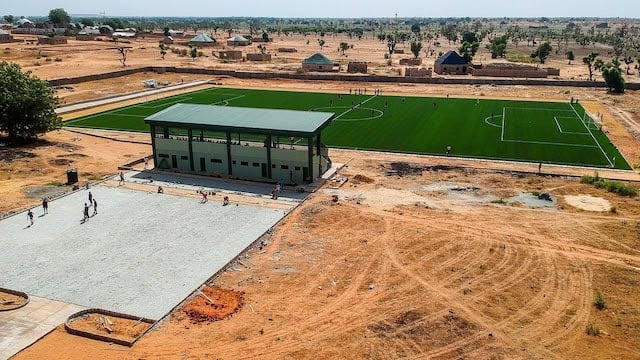
But on a bright Sunday in Birnin Kebbi, Alhaji Abubakar Chika-Ladan, Chairman of Kebbi Football Association, faced the cameras and didn’t mince words: “The mini-stadium was fully completed over two years ago and has been put to use since then.” According to Chika-Ladan, stories about funds disappearing or construction being half-baked are “purely a figment of people’s imagination.”
Fact-Check: Is the Kebbi Mini-Stadium Really in Use?
Skeptics might ask, “Oga, na true be this?” Well, Chika-Ladan offered concrete evidence. He explained that the facility has not only been completed but has also become the heartbeat of local football:
- Hosted national and local competitions—the proof isn’t hidden, everyone in Kebbi can see it.
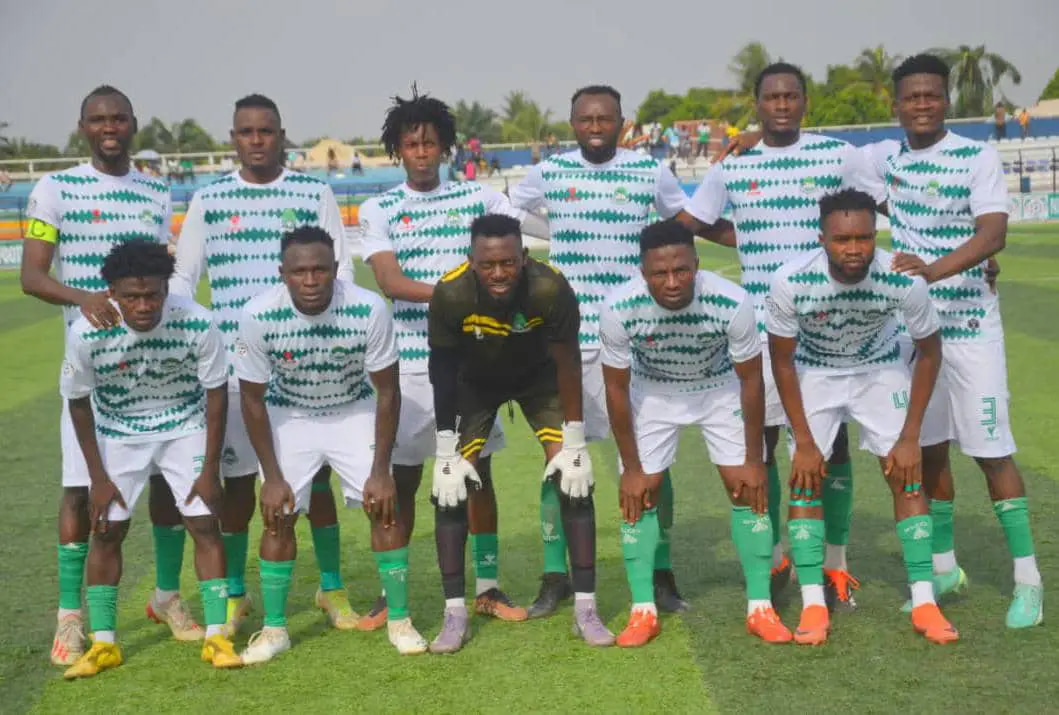
- Kebbi United Football Club called it their home for the last football season.
- Zamfara United, not finding a better option elsewhere, relocated to Kebbi to enjoy the facility.
“Those spreading such rumours are enemies of progress and of Nigeria,” Chika-Ladan concluded, clearly frustrated by the negative buzz. Locals nod in agreement; after all, stadiums like these are a rare blessing in many parts of the country.
How Was the Stadium Built? Tracking the FIFA Project Process
But who’s holding the purse strings? According to Chika-Ladan, the project was managed directly by FIFA. FIFA didn’t just hand the reins to anyone; reputable Nigerian firms won the international competitive bidding, showing that local expertise was involved from the ground up. The stadium project boasted a valuation of about 1.8 million US dollars (approximately N400 million at the time). That price tag covered:
- A professional-grade playing pitch
- 250-seat pavilion for cheering fans
- Fully-equipped medical clinic
- Dressing rooms for teams A and B, plus officials’ quarters
- Perimeter fencing for security
- Sweeping landscaping and vital maintenance equipment
This wasn’t some run-of-the-mill patchwork. Kebbi’s own Mr Shehu Dikko, Chairman of the National Sports Commission, confirmed the strict FIFA protocols on project delivery. Speaking on national TV (“Politics Today” on Channels Television, Friday), Dikko made it clear: “FIFA manages its projects directly. The job of NFF is simply to provide the land and specify what they want. FIFA then appoints and pays the contractor.”
Who’s Really Calling the Shots? Clearing the Air on Project Oversight
In the world of African sports projects, allegations can fly faster than a striker at a derby. But this time, all indicators point to a process handled “from Switzerland with love”—the iconic home of FIFA. As Dikko put it, “No one collected the money. FIFA is hands-on with every last naira and kobo.” To many, that’s a bold reassurance in a country where skepticism around public projects is deep-rooted.
Yet, rumors don’t die easily on these streets. Even after these clarifications, some social media warriors keep spinning tales. Could it be that some people just enjoy pouring sand in another man’s garri?
Kebbi’s Voice: Local Stakeholders Defend Their Turf
Nigerians are not known for keeping quiet—especially when their reputation is on the line. In this heated debate, the Kebbi branch of the Sports Writers Association of Nigeria (SWAN) has weighed in. Mr Mansur Senchi, Kebbi SWAN Chairman, called for a united front, urging the national president to caution the spreaders of “unfounded stories”. “It’s unacceptable,” Senchi declared, “for someone to sit in another part of the country and write bogus, unfounded stories.”
Local support for the mini-stadium is strong. In interviews with residents, many recounted fond memories of recent matches, how children now dream bigger, and the pride of seeing national events hosted on home soil. “Before this stadium, most of our kids had to travel far to get proper turf; now we have it right here,” said Haliru Bello, a school coach in Birnin Kebbi.
That FIFA Social Media Banner: Why Did It Set the Internet on Fire?
What truly poured fuel on the fire was when FIFA featured the Kebbi stadium in a social media banner. Instead of applause, the move drew heated scrutiny and a spike in investigation calls. Analysts across Nigeria questioned whether the facility deserved global spotlight, given the allegations swirling online.
But this is not the first time a well-intended gesture from a global body has rattled public perception back home. “When eyes are on Nigeria, some believe it’s too good to be true,” observed Dr Ifeoma Obioma, a sport management lecturer at Ahmadu Bello University. “But due diligence suggests Kebbi really got it right this time.”
Comparing With Other Mini-Stadium Projects: Is Kebbi Setting a New Standard?
Across West Africa, new sports infrastructure is transforming local economies and raising young stars. Yet, Nigeria’s journey has often stumbled due to maintenance hiccups or, worse, abandoned projects. According to FIFA’s own records, every mini-stadium or Goal Project is tightly monitored from headquarters, with financial audits at each stage.
In fact, compared to similar FIFA initiatives in Ghana or Ivory Coast, Kebbi’s project timeline and final delivery are reportedly “remarkably efficient” by regional standards. Of course, challenges remain—some locals have raised issues about ongoing maintenance and community access, urging continuous transparency going forward.
Transparency and Trust: Lessons for Future Sports Projects
If one story rings as true as the final whistle in a close match, it’s that Nigerians care deeply about accountability. This Kebbi FIFA Mini-Stadium saga underlines why transparent project management and direct oversight matter. When big money and big dreams are involved, it’s not enough to “just do it right”—the public must be carried along, and records need to be open for independent scrutiny.
So what’s next? Local stakeholders, including the Kebbi Football Association and SWAN, have called for more open days at the stadium and regular project updates. The hope is that if global bodies like FIFA stick to rigorous standards, Nigeria’s sporting future will be built not just on winning pitches, but also on public trust.
Key Takeaways at a Glance
- The Kebbi FIFA Mini-Stadium was allegedly completed over two years ago and is actively used by local and national teams.
- FIFA managed the project directly, with local Nigerian firms as contractors.
- Transparency issues triggered controversies, fueled by social media speculation.
- Local stakeholders are pushing for continued openness and access to stave off future mistrust.
Whether you’re a die-hard Super Eagles fan, a Kebbi resident, or just a concerned Nigerian, one thing is clear: Nigeria’s sports future depends on more than stadium walls—it’s about trust, transparency, and giving every young talent a real pitch to rise on.
What’s your honest opinion about the FIFA Mini-Stadium controversy? Should more stadium projects across Nigeria adopt this same transparent model? Share your thoughts below and join the conversation—who knows, your voice could spark the next big change.
We want to hear from you! Have you visited the Kebbi FIFA Mini-Stadium or witnessed any local sports project making waves? Drop your comments below, share your story, or join our growing sports community online.
Want to get your story featured or sell your experience? Reach out to us at story@nowahalazone.com. For general support, contact support@nowahalazone.com.
Stay connected for all the latest sports updates! Follow us on Facebook, X (Twitter), and Instagram.