
Imagine this: It’s a blazing afternoon in Abuja, generators are grumbling on every street corner, and the city’s digital heart—its startups, innovation hubs, data centres—runs not on solar or wind, but on diesel fumes thick enough to make the air heavy. In that dense electric atmosphere, the Director-General of the National Information Technology Development Agency (NITDA), Kashifu Inuwa, stood up at the 3rd Technology Ecosystem Dialogue (TED 2025) and delivered an explosive truth: Nigeria’s digital dreams are on the line unless green technology becomes our new normal.
Right there, facing a crowd of tech pioneers, policymakers, and everyday hustlers from across the ecosystem, Inuwa’s words landed as a wake-up call for a country eager to lead Africa’s digital race. “Green technology is no longer an option; it is a necessity,” he declared, his voice echoing the deep anxieties—and the hope—shared by much of Nigeria’s technology community.
Nigeria’s Digital Economy vs. Energy Reality
But why is this conversation so urgent? Let’s call a spade a spade—Nigeria’s tech boom is moving at breakneck speed, but our national power grid is crawling along like a tired okada stuck in Lagos traffic. Tech startups, data hubs, and innovation clusters are springing up everywhere, yet unstable power and eye-watering diesel bills keep them from reaching their true potential.
According to Inuwa, NITDA isn’t just watching from the sidelines. The agency backs initiatives like Technology and Innovation Hubs, iHatch, IgniteHer, and the Renewed Hope Innovation Nest. All these are designed to train and fund young Nigerians, women, and SMEs with one mission: building sustainable, scalable tech that won’t finish the environment or their business bank accounts.
Yet, jump into any co-working space or coder’s hangout in Yaba or Kubwa and you’ll hear the same lament—power breaks in the middle of coding sprees, fuel price jumps threatening to scatter business plans, and generators eating close to 40% of operating costs (as the Manufacturers Association of Nigeria reportedly found).
Renewables: Nigeria’s Hidden Superpower?
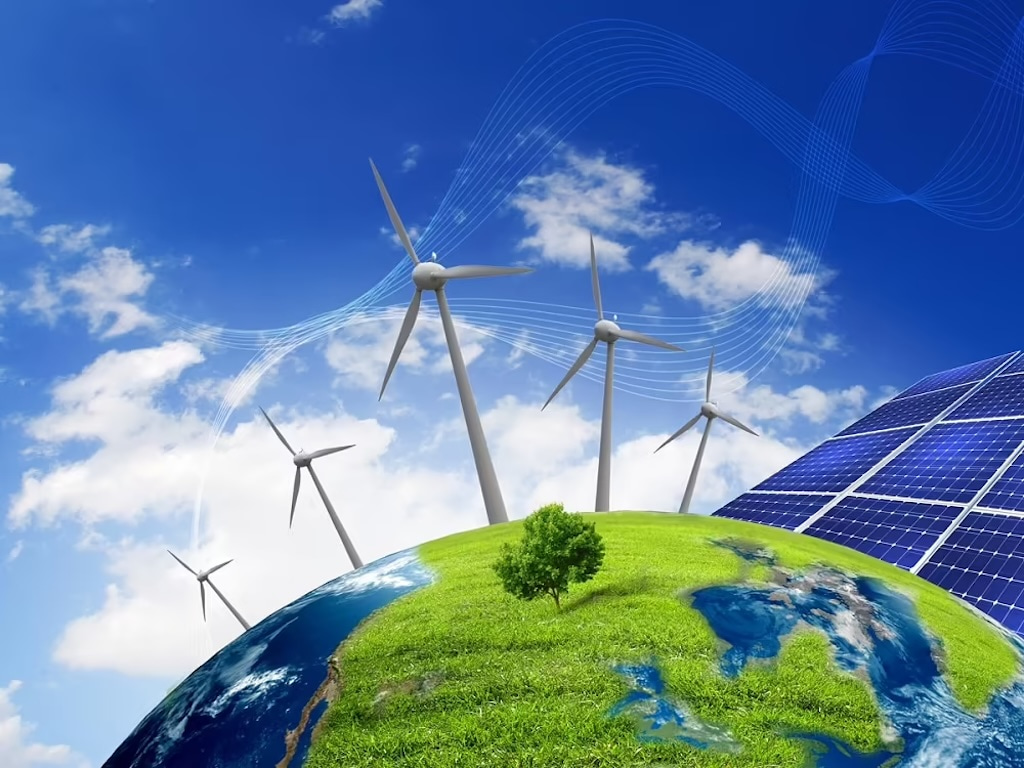
But Nigeria is not short of options. In fact, every time the sun beats down across Kano or Maiduguri, that’s free power going untapped. With average solar radiation levels of 5.5 kWh/m² daily, and vast swathes of land in the North begging for solar farms, why should we still depend on noisy generators? Rivers like Benue and Niger offer hydro potential, while the South’s coastal winds are ripe for turbines—yet these resources remain underused.
There’s been some progress. The Rural Electrification Agency’s Nigeria Electrification Project, backed by the World Bank and African Development Bank, is already working to set up mini-grids for towns, schools, and clinics, but the potential doesn’t stop there. These same solar grids could inject badly needed, clean power into the lifeblood of the digital economy: our tech parks, data centres, and entrepreneur workspaces.
What’s Really Blocking Nigeria’s Clean Energy Leap?
Still, we have a mountain to climb. On paper, government policy—like the National Renewable Energy and Energy Efficiency Policy (NREEEP) and the National Digital Economy Policy and Strategy (NDEPS)—lays out the path to 30% renewable electricity by 2030. But in practice, regulatory bottlenecks, unpredictable tariffs, and the struggle to secure financing are keeping the brakes pressed.
A Lagos-based green tech entrepreneur, Chinedu Ifezue, explains, “Even when solar starts looking affordable, too many businesses are scared to invest because policies keep changing. Some investors just shake their head and stay away.”
Added to this are deep-set mindsets. Generators, as unreliable as they can be, are often seen by businesses as the only “sure banker,” while renewables feel exotic or complicated. Meanwhile, entrenched interests with hands deep in the fuel import trade won’t just let go without a fight.
Lessons from African Neighbours
So, is Nigeria’s struggle unique? Far from it. Look at Kenya—nearly 90% of its electricity comes from renewables, mostly generated by geothermal, hydro, and wind systems. That stable grid empowered Nairobi’s tech industry to build innovations like M-Pesa, and support major digital players. Morocco’s Noor Solar Complex and South Africa’s renewable energy push also show what’s possible when policies are clear, predictable, and supportive of investors and communities alike.
But let’s not deceive ourselves: integrating renewables at the scale required demands serious upgrades—smarter national grid systems, battery storage solutions, and modern transmission networks. Right now, these remain Nigeria’s weak points.
Local Voices Demand Action, Not Promises
Energy transitions never happen overnight. Yet, as Dr Krakrafaa Bestman, a respected sustainability expert, told the gathering in Abuja, “Renewable energy must power the next phase of our economic development. If we fail to close the electricity gap with clean energy, our digital ambitions will rest on shaky ground.”
In cities like Enugu and Ibadan, entrepreneurs have already started taking practical steps: piloting community solar mini-grids for local businesses, blending solar with grid power, or switching entire estate offices off generators for good. Their efforts show that change is possible if the system gives even small players a fair chance.
Can Nigeria Truly Power Its Digital Future Sustainably?
So, what’s the way forward? According to numerous stakeholders, Nigeria doesn’t need magic bullets—just steady moves in the right direction. This could be:
- Scaling up reliable, community-led mini-grids in urban and rural areas
- Offering tax incentives to local green energy investors
- Making it easier to connect renewables to tech-sector infrastructure
- Launching targeted public campaigns to change attitudes about renewables
Success means more than hitting renewable targets. It’s about building a digital economy that is resilient, inclusive, and able to compete with the world—powered by resources that shine, blow, or flow right here at home, instead of expensive, imported diesel.
The future isn’t about wishing for light but working towards it—one panel, one policy shift, one innovative hub at a time. After all, as every Nigerian knows: No be who waka come, na who ready stay dey chop.
If Nigeria is serious about dominating the digital race, then we must treat green technology as the engine, not just the fuel, for lasting progress. This is a call, not just from Abuja’s conference halls, but from every young innovator, SME owner, and digital dreamer who wants a Nigeria that runs on clean, consistent power—and never has to choose between staying online or staying green.
Are we ready to ignite a truly sustainable digital revolution, or will we keep stumbling in the dark? What can you and your community do to help move this conversation forward? Drop your ideas below and let’s keep the fire burning.
Have a hot tip, inspiring story, or an opinion about Nigeria’s green tech future? We want to hear from you! Email your story or sell your scoop at story@nowahalazone.com to get featured or discuss story submissions. For general support, reach out at support@nowahalazone.com.
Join our community for the latest updates on tech, innovation, and Nigeria’s journey towards a cleaner future! Follow us on Facebook,
X (Twitter), and Instagram.
What’s your view? Drop a comment and follow us for more stories that matter!