
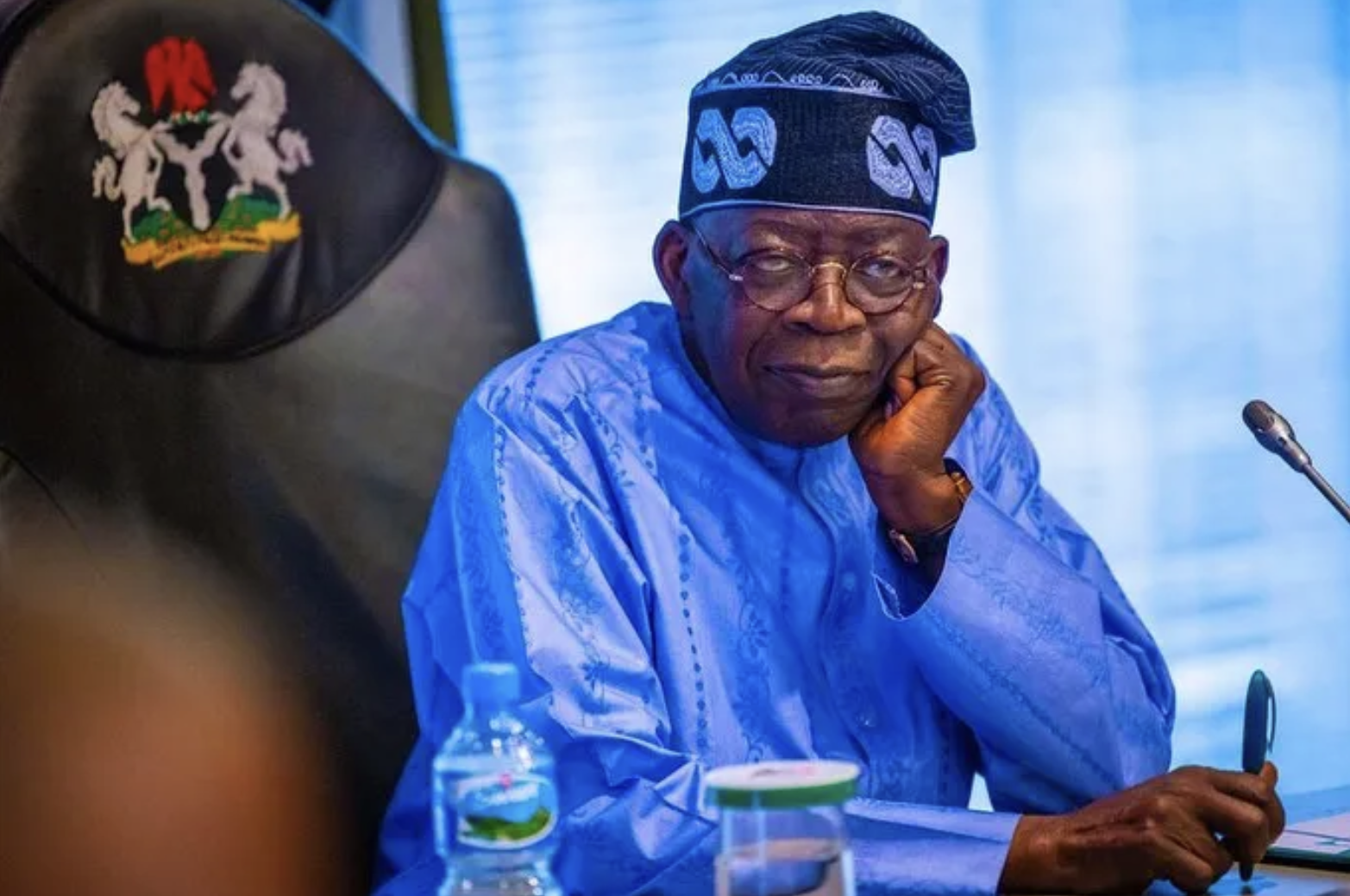
Can government policies truly echo the voices of the people they govern? For many Nigerians, President Bola Tinubu’s administration has posed this very question in vivid, often jarring ways. Imagine the electrifying atmosphere at the presidential inauguration, a day bursting with hope—then, in one sentence, the President announces the total removal of the fuel subsidy. The decision landed in our laps like sudden Harmattan, leaving many citizens dazed by the new cost of living. Just like that, our last affordable benefit—cheap petrol—vanished, replaced by a wave of hardship and anger across the country.
Petroleum subsidy removal was nothing new in Nigeria’s policy circles, but the explosive public reaction surprised many. While experts had warned about the knock-on effects, ordinary Nigerians complained that the government failed to anticipate our struggles or propose a meaningful safety net. “Did they even listen to us?” asked Ifeoluwa, a single mother in Abeokuta. Across markets and motor parks nationwide, that same question echoed: “How come na only us dey always bear the brunt?”
Policy Disconnect: When Leadership Fails to Bridge the Gap
Analysts point to a widening gap between government intentions and public needs. The subsidy story was not just about the sudden spike in transport fares or food prices; it revealed the simmering disconnect between the “powers that be” and the everyday struggles of millions. What’s more shocking? In those crucial days following the announcement, the government had no immediate palliative measures to offer. The silence was almost deafening, and it stung.
From Lagos to Kano, Nigerians felt blindsided. “People wey suppose dey for us no dey see our wahala,” sighed Musa, a Keke driver in Kaduna. Since that moment, similar issues have constantly cropped up, each time deepening the doubt: Does the government really understand our pain?
Presidential Pardon List: A Controversy Unveiled
Barely had the dust settled on the fuel subsidy uproar when another contentious topic grabbed national attention—this time, an inside story about presidential pardons. Nigerians were left wondering if justice or favoritism was at play after the government released an initial list of 175 pardoned individuals. The public outcry forced a hasty review, slashing the list to 86 and striking out convicted kidnappers, drug traffickers, and others accused—or found guilty—of grave offenses.
Legal experts have weighed in, explaining that while presidential pardon powers are constitutional, transparency in the process is critical to avoid public mistrust. According to Pamela Odili, a Lagos-based lawyer, “Such sensitive powers require careful vetting and clear communication about who qualifies and why.” For many, seeing high-profile offenders on the original list was a bitter pill—raising tough questions: “Who really deserves a second chance? And at what cost to society?”
Herbert Macaulay’s Posthumous Pardon: History’s Forgotten Lesson
Amidst the controversy, a gem of Nigerian history reappeared: the posthumous pardon of Herbert Macaulay, a pioneering nationalist and one of our founding political fathers. While some celebrated this symbolic act, others lamented missed opportunities for public learning.
Macaulay, once unjustly convicted by colonial authorities in 1913, carried the label “ex-convict” until his death in 1946. For many young Nigerians—products of a system where history is barely taught—the story felt lost in translation. Analysts lamented the lack of government effort to turn this moment into a teaching opportunity, bridging the past with today’s journey for justice and freedom. “Na we dey lose, if we no sabi our history,” noted social commentator Kemi Adeoye.
Lingering Questions Over Alleged Coup Plot
If you thought drama in government was slowing down, recent weeks proved otherwise. The alleged coup plot vs. disciplinary probe within the military brought another wave of uncertainty. The Defence Headquarters was quick to assure Nigerians—no coup, only routine disciplinary action involving 16 officers. Yet, weeks later, multiple reports say up to 42 officers have now allegedly been detained for “questioning.”
What stirred the pot even more? The abrupt removal of all service chiefs not long after these rumors. To many, this was like adding pepper to already hot soup—fueling speculation of deeper unrest. Presidential spokesman Sunday Dare insisted there was no attempt to take over power, but the timing struck many as odd. “For Nigeria, nothing dey ever clear. Wetin really dey happen behind closed doors?” mused a civil society activist in Abuja. The episode only amplified growing skepticism toward official statements.
Education Policy Debate: To Pass or Not to Pass (Mathematics)
Even policies outside politics have not escaped this trend of confusion and reversal. Recently, the Minister of Education, Dr. Maruf Tunji Alausa, created a stir by suggesting that a credit pass in Mathematics might no longer be mandatory for university admission into the Arts and Humanities. This announcement, meant to broaden access, set off explosive debate among teachers, parents, and students.
The confusion deepened when, days later, the ministry clarified their position: while some degree programs may no longer require a Mathematics credit for entry, all students must still sit for it in their O-Level exams. “So na which one we follow now?” asked Chinedu, a secondary school student in Enugu. Education experts stressed the need for clearer messaging to avoid confusion and maintain standardization across schools. Stakeholders remain divided, arguing that policy should align with workforce realities while remaining transparent for aspiring students.
The Heart of the Matter: Public Trust and Genuine Engagement
At the root of these churning controversies—fuel subsidy, presidential pardon, coup rumors, and education reforms—lies a single thread: public trust. Policy analysts and community leaders argue that Nigeria’s government must urgently improve strategic communication, consult more openly with ordinary people, and anticipate the ripple effects of new decisions. As citizens, we are all too familiar with sudden changes—plenty talk, little action, and a sense that those in power are always “doing their own.”
According to the Centre for Democracy and Development, effective governance is impossible without winning hearts and minds, particularly during hardship. Active listening, transparency, and regular engagement with the masses are not just best practices—they are the difference between reform and resentment.
Lessons from Across Africa: Building Bridges, Not Walls
Nigeria is not alone in facing waves of policy backlash. In Ghana, citizens protested similar subsidy removals; across Africa, debates on presidential pardon and public trust are common. The difference? Where governments maintain active two-way communication and incorporate local perspectives, reforms tend to stick and resentment fades faster. The 2023 Afrobarometer survey found that over 60% of West Africans rate government consultation as poor. Clearly, the recipe for progress hinges on learning from both neighbours and history.
Looking Ahead: From Disconnection to Collaboration?
In the end, one cannot help but wonder: What will it take for Nigeria’s leaders to close the gap between their table-talk and our daily grind? Will new policies flow from genuine grassroots consultation, or keep appearing like thunderclaps—loud, unexpected, and often leaving the people scrambling?
Is this the dawn of a true listening government, or are we in for more trial by fire? Nigerians deserve not just bold pronouncements, but true, heartfelt engagement and follow-through. The journey toward a more transparent, inclusive style of leadership is not impossible; after all, na collective wahala dey require collective solution.
What do you think? Share your take—do you feel government policies reflect your daily reality? How can leaders and citizens collaborate for lasting change?
We want to hear your story, too! If you have a news tip, personal experience, or opinion on Nigeria’s policy challenges, we invite you to get involved. Send your stories, insights, or questions to story@nowahalazone.com to have your voice featured or discuss story sales. For general assistance, contact support@nowahalazone.com.
Keep the conversation going with us—follow on Facebook, X (Twitter), and Instagram for more community dialogue and news updates.