
What if every tap on your phone – every form you fill or app you launch – quietly traded a piece of your personal life? In Nigeria, where the digital age is unfolding with breathtaking speed, that question is no longer a distant concern. With an estimated 140 million internet subscribers as of August, and broadband slicing deep into nearly half the population, Nigeria has become West Africa’s undisputed digital giant, according to the Nigerian Communications Commission (NCC). But power like this carries its own wahala – and the race is on to secure it.
Step inside Nigeria’s digital world, and it’s like standing in Balogun market during December – vibrant, crowded, and full of opportunity, but with people hustling for every advantage. Personal data is the new currency, exchanged at an unprecedented pace. Names, bank details, phone numbers, even where you were at 7:00 pm last night – it all fuels the digital economy. But who’s truly protecting this explosive growth, ensuring your private moments don’t become public gist?
Unprecedented Digital Growth: The Stakes for Nigeria’s Data Security
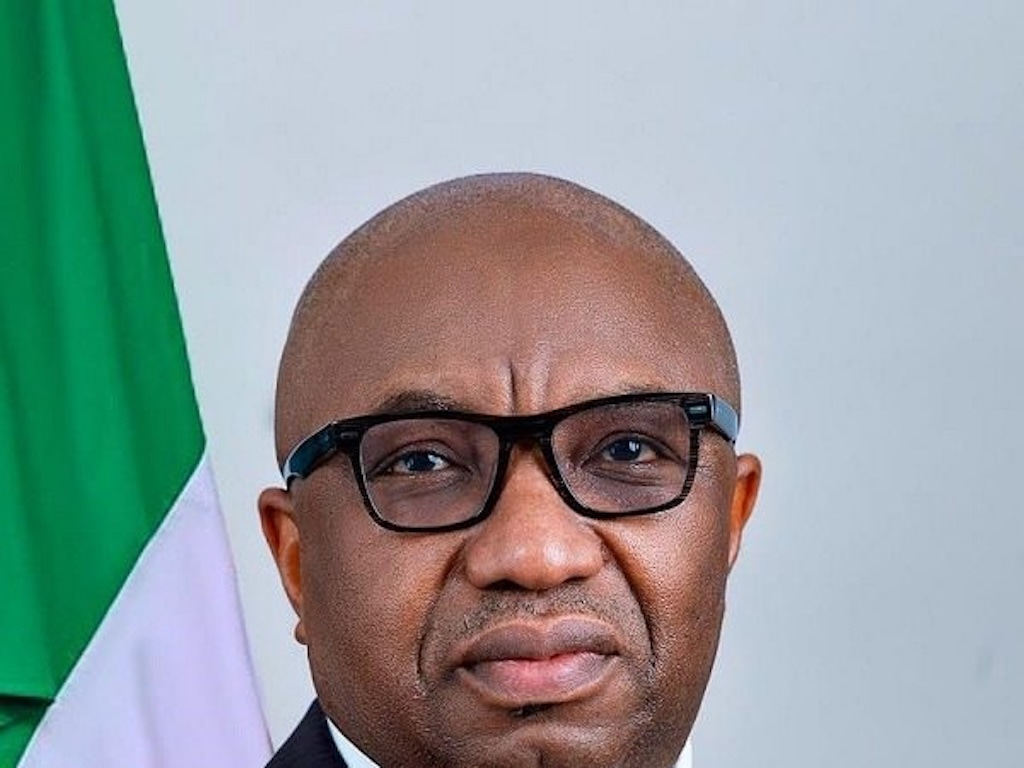
Dr Vincent Olatunji, the national commissioner of Nigeria’s Data Protection Commission (NDPC), is at the heart of what some experts call an ‘information gold rush.’ According to Olatunji, “trust and compliance are the lifeblood of a thriving digital economy.” In layman’s terms, if people don’t feel safe online, nobody benefits – not citizens, not businesses, not government. This is more than just IT talk; it’s about making sure Nigeria’s digital naira is built on confidence, not suspicion.
Nearly half of Nigerians are living in a mobile-first world, where every transaction, every social connection, and every hustle leaves a digital footprint. As smartphones go mainstream from Sokoto to Port Harcourt, the risks multiply: hackers, unscrupulous marketers, and even international data handlers want a share of Nigeria’s booming data reserves. In fact, Africa’s tech ecosystem, as highlighted in reports from the International Telecommunication Union, faces growing challenges around privacy and cybercrime as connectivity increases.
Inside the Explosive Rise of Nigeria’s Data Protection Act (NDPA)
The real game-changer arrived in June 2023. President Bola Ahmed Tinubu signed the Nigeria Data Protection Act (NDPA) into law, turning years of debate into action. According to the NDPC, this single move changed the conversation – now, local companies and global tech giants alike (think Meta, Microsoft, Google) must respect Nigeria’s data laws or face real consequences. The NDPA placed Nigeria on the global map for data rights, setting a pace even some Western countries are only now catching up with, according to official NDPC documentation.
For many, this law is the shield standing between ordinary Nigerians and the wild world of data misuse. It’s designed to give citizens a voice – even that market trader in Aba who uses WhatsApp to reach customers can now ask, “Na who dey use my data without telling me?” It’s about dignity, security, and respect for every Nigerian, no matter their background or digital experience.
Meet Dr Vincent Olatunji: The Face of Nigeria’s Privacy Revolution
So who is the man leading this charge? Dr Vincent Olatunji isn’t your regular government oga. His CV spans academia, public service, and the tech frontline. With a PhD in Geography and Planning from the University of Lagos, plus an impressive list of professional certifications, Olatunji understands not only Nigeria’s landscape but also how data flows across it like the Niger River in flood season.
He joined the National Information Technology Development Agency (NITDA) in 2002, rose to director by 2014, and even served as Acting Director-General in 2016. By February 2022, he became the pioneer National Commissioner and CEO of the Nigeria Data Protection Bureau, later raised to the NDPC. When President Tinubu reappointed him in October 2023, it was a clear endorsement: keep the fire burning, make Nigeria a beacon for Africa and beyond.
How NDPC’s NOWAHALAZONE Approach Is Changing the Game
Since Olatunji took the reins, the NDPC has evolved from an advisory body, often seen as “toothless,” into a powerful regulatory authority. According to Olatunji, the goal is simple but mighty: ensure Nigeria’s data sovereignty, regardless of whether the actor is local or a multinational platform. Breaking it down, this means that even the Silicon Valley giants must play by local rules when harvesting Nigerian data for any reason.
Olatunji’s rhetoric isn’t adversarial. “Strong cybersecurity guarantees strong privacy, and both are essential for a trustworthy digital economy,” he stated in a recent NDPC media briefing. It’s all about balance – letting Nigerian startups innovate freely, but making sure they don’t turn citizens into data ‘mugu’ for profit. According to industry analysts in Lagos, “Olatunji’s style is results-oriented. He takes the people along, not just the big corporates.”
Making Data Rights Work for the Average Nigerian
A key innovation under Olatunji’s tenure is accessibility. Official documents don’t just come in English, but in Hausa, Igbo, and Yoruba, so everyone from Ajegunle to Jos can understand their digital rights. His mantra: “Data rights are for all, not just the connected few.” It’s a bold statement in a country where urban-rural divides and digital literacy gaps still exist.
Why Digital Trust Matters: Real-Life Impacts for Nigerians
It’s easy to treat privacy as a big-man issue, but for millions, it’s about survival and inclusion. Think of the young Lagos entrepreneur building his fintech app, or a mother in Benin using e-commerce platforms to sell wares—both need assurance that their data won’t become the next gist for fraudsters. Investors also care. International businesses reportedly look for “certainty and stability” before pouring in capital, NDPC stakeholders confirmed.
- Citizens: Greater protection against identity theft and phishing scams
- Businesses: Clearer rules attract international partnerships, especially under the African Continental Free Trade Area (AfCFTA)
- Government: Enhanced national security and international standing
But as with suya, the taste is in the pepper. For all the progress, challenges remain: some agencies and private outfits are dragging their feet on compliance. Reports from NDPC’s inspectorate unit suggest enforcement is still uneven, and some citizens remain unaware of their rights. As a Kaduna-based legal analyst, Barrister Tunde Adebayo, observed, “Laws are only as strong as their enforcement and the people’s awareness.”
Regional Ambitions: How Nigeria Could Shape Africa’s Digital Destiny
Nigeria’s NDPA is seen as a template for other African nations. With the AfCFTA promising digital integration across borders, harmonizing privacy laws could boost intra-African trade and reduce cybercrime. According to African Union digital strategy reports, having Nigeria lead by example may encourage others to raise their game on privacy and cybersecurity.
Still, the stakes are high. If the balance tips too far – if overregulation stifles innovation, or if under-regulation invites chaos – Nigeria may lose out as new competitors like Kenya and South Africa push ahead with their own data reforms.
The Future: Building a Culture of Digital Rights and Responsibility
Olatunji dreams of a culture where privacy isn’t just policy, but habit. Imagine government, business, and the ordinary Nigerian all seeing privacy as a shared responsibility – no more “I didn’t know,” but “I dey protect my data!” The hope is that by embedding this into our national DNA, Nigeria will draw more investment, unlock digital jobs, and become a true giant of the African tech scene.
According to international data protection organisations, getting it right also means attracting “ethical investment,” with global firms following fair play, while indigenous innovation flourishes. But it’s an uphill journey – continuous education, technical investment, and a listening ear to both local needs and international trends are essential. “We mustn’t rest on our oars,” Olatunji cautioned in his end-of-year statement. “Digital trust builds nations.”
Conclusion: The Shocking Truth About Nigeria’s Digital Future
In the end, the shocking truth is this: Nigeria is no longer a spectator in the global digital race. By prioritising data protection, the country reportedly stands to gain not just privacy, but prosperity and respect. Yet the story is far from over – each Nigerian, from student to CEO, must be part of this revolution. So, is your data really safe? That question now lies not just in Abuja, but in your hands, your phone, and your everyday choices.
What’s your own experience with online privacy? How do you think Nigeria can do better? Drop your opinion and follow us for the latest on digital rights in Africa!
story@nowahalazone.com.
For general inquiries and support, contact support@nowahalazone.com.
Stay connected with the latest in Nigerian digital life! Follow us on Facebook,
X (Twitter), and
Instagram for updates and community stories.