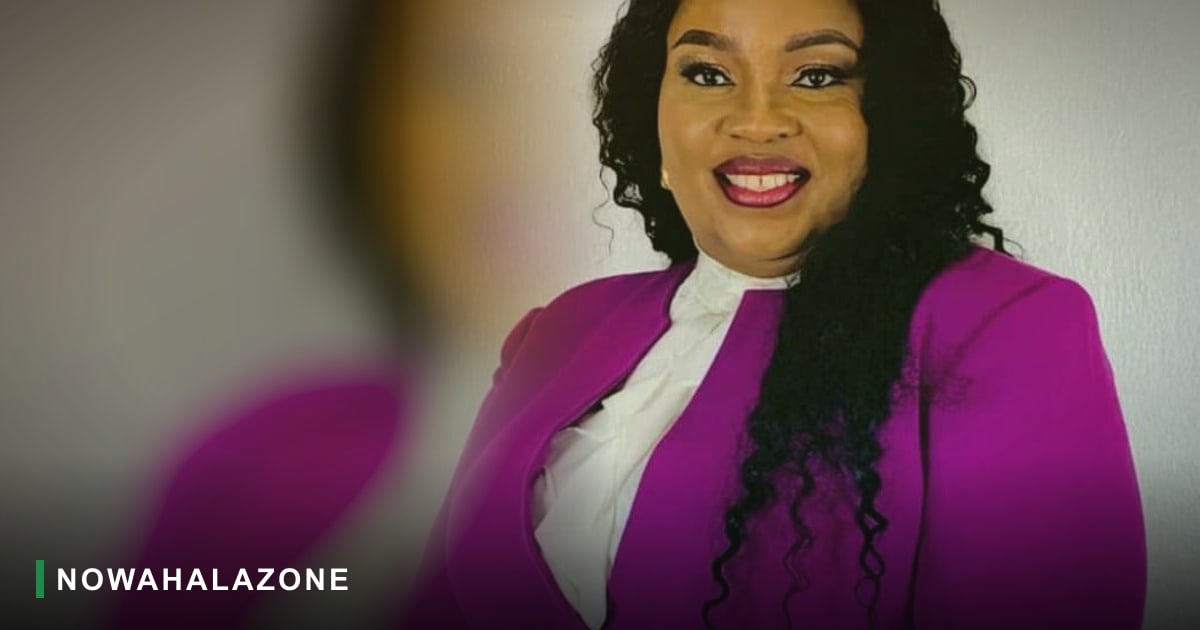


Why do some of the boldest voices in Nollywood emerge right at the centre of controversy? Picture this: a sunny Friday afternoon, Facebook abuzz as yet another storm brews around Judy Austin—an actress who has become a household name not just for her movies, but for her headline-grabbing marriage to Yul Edochie.
Every Nigerian knows when wahala dey, social media no dey sleep. Since Edochie went public with Judy as his second wife, the rumor mill has hardly caught its breath. From reports about unsettling divorce proceedings between Yul and his estranged first wife, May, to accusations from Judy’s former husband, Emmanuel Obasi, alleging he’s denied access to their two children—her life is like a script from a gripping Nollywood film, only this time, it’s real life. According to several sources, Judy continues to attract both criticism and praise, walking through fire with her head held high.
Inside Judy Austin’s Viral Marriage Advice: Words from the Eye of the Storm
What makes someone in the middle of Nigeria’s most scrutinized marriage drama step out with advice for fellow women? That’s a question many are asking after Judy Austin’s recent Facebook post—as real as it gets—made waves across Nigerian households. Sharing her opinion on marriage resilience, Judy didn’t mince words: she urged wives to speak up and assert themselves in their homes.
With the kind of confidence only those who “don see shege” possess, she said: “If you do not stand your ground, if you do not raise your voice, if you do not let your husband know that your word is final in the house, you’re a loose woman… Some people are so daft and don’t know anything. Please come and listen to good advice.” (Judy Austin, viral Facebook live, Friday)
Marriage and Self-Worth: “Not a Do-or-Die Affair”
In a country where marital expectations can be intense, Judy’s stand may sound like pepper in the eyes. Yet, she also offers a softer perspective, warning against staying in marriages that threaten one’s sanity or well-being. According to Judy, “If your marriage is not working, you don’t have any business calling yourself husband and wife… If you know that in your marriage, you’re thinking of killing yourself, and your significant other does not even send, then you don’t want to die. My sister, find your way.”
These words come at a time when more Nigerian women are beginning to question the traditional “for better, for worse” narrative. For some, hearing it from someone inside Nollywood royalty is both shocking and validating.
Expert Opinions: What Do Relationship Counsellors Say?
Speaking with Lagos-based relationship therapist Dr. Chinenye Okoro, she explains, “Communication and boundaries are just as important as love and respect in marriage. When people in the limelight speak up—especially women—it forces us to examine our beliefs about gender roles in relationships.”
- Assertiveness: Many experts agree that self-assuredness can address unhealthy relationship dynamics.
- Well-Being: Deciding to leave a harmful marriage saves lives—physical and emotional alike.
- Perspective: Social media outbursts may not always tell the whole truth, but they spark essential conversations nationwide.
Judy’s remarks echo what various NGOs like NAPTIP and UN Women have advocated for: no one, regardless of status, should remain trapped in an abusive relationship.
“All Men Are Big Babies?” Culture Clashes and Real Talk in Nigerian Homes
One statement that ruffled feathers like a harmattan wind was Judy’s playful comparison: “Let me tell you another thing: all men are big babies. You need to know how to make them feel like one around you.” As cheeky as this might sound, it taps into long-running debates about emotional needs and expectations in African marriages.
For many Nigerian couples, balancing tradition with personal happiness isn’t beans. Some women feel torn between church advice, family pressure, and their own sense of self-worth. “The reality is that many women in their 30s and 40s are questioning old methods—questioning everything our mothers taught us and our fathers enforced,” noted Ifeoma Ugwu, a women’s rights advocate based in Port Harcourt.
Breaking the “Do-or-Die” Mentality: Local Voices Weigh In
In markets, saloons, and across WhatsApp groups nationwide, Judy’s comments have sparked passionate debates. One trader in Onitsha put it this way, “If marriage no sweet, abeg, who dey enjoy am? Story for the gods! But at the same time, we no fit dey use pap and okro to settle quarrel every day.”
- Empowerment vs. Tradition: Many applaud Judy for speaking up, but others argue that her approach might stir more quarrels than solutions.
- Mental Health: Experts point out that staying in unhappy marriages can fuel depression—something rarely discussed openly in Nigerian households.
- Changing Times: Social attitudes toward divorce and remarriage are gradually shifting, but stigma lingers, especially for women in the spotlight.
According to a 2022 report by the National Bureau of Statistics, rising divorce rates are linked to increased economic hardship and evolving social values in Nigeria. While this doesn’t mean every troubled marriage should end, it does spotlight the need for open dialogue and professional counseling, especially as more women become financially independent and vocal about their happiness.
Marriage Advice in Nollywood: Unscripted, Unfiltered, Unapologetic
Whether you agree with Judy Austin or not, her statements raise questions that cut to the heart of Nigerian society: What does it mean to stand your ground as a woman? How do we balance respect, tradition, and self-protection in our marriages?
Judy’s story is more than a Nollywood gist—it’s a mirror for millions who battle relationship wahala away from the limelight. For every woman struggling in silence, these conversations offer a beacon. But for those who see her message as “too much ginger,” there’s room for dialogue and growth as Nigeria’s family values evolve with the times.
Key Takeaways from Judy Austin’s Explosive Advice
- Women should confidently assert their voice in marriage, according to Judy Austin’s viral message.
- Marriage, she claims, isn’t a do-or-die affair—walking away is better than enduring misery.
- Her comments have sparked nationwide debate about gender roles, mental health, and marital fulfillment in Nigeria.
- Experts counsel balance: communication, mutual respect, and, when necessary, the courage to walk away.
Conclusion: Should Women Always Stand Their Ground in Marriage?
Judy Austin’s advice, delivered at the height of controversy, may not settle every argument at the family dinner table. But by saying her mind—no filter, no holding back—she’s set off a fresh wave of conversation about resilience, respect, and the future of marriage in Nigeria.
Do you think Judy Austin’s approach is the right one for Nigerian homes? Are traditions changing fast enough for women to feel seen and heard? Share your thoughts—na your opinion matter pass!
Want to share your experience or join the conversation? Follow us on
Facebook,
X (Twitter), and
Instagram.
For general support, reach us at support@nowahalazone.com.
Your voice, your gist—let’s keep the conversation moving!