

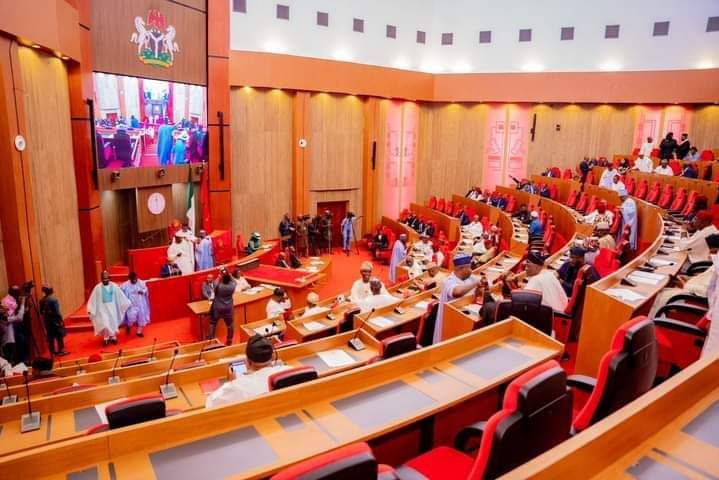
Can a single law change the lives of millions—or leave families at the mercy of fear and uncertainty? Inside the Senate chamber in Abuja this past week, tension was as thick as Agege bread as lawmakers locked horns over proposed amendments to the Nigerian Criminal Code. The central drama? The fate of a bill seeking to criminalize the supply of drugs or instruments used for abortions, spelling out a major shift in the country’s stance on reproductive rights. For many, the session felt like watching an African magic film—full of plot twists, heated exchanges, and real consequences for ordinary women and doctors across Nigeria.
Nigeria’s Abortion Laws: Outdated Codes Facing New Realities
The Criminal Code Amendment Bill, originally crafted in the House of Representatives, was on the table. Its primary goal? To align Nigeria’s century-old Criminal Code laws with today’s realities, especially as modern pressures—economic hardship, healthcare gaps, and shifting public opinion—continue to shape family and social life.
Key Features Fueling Debate:
- Harsher Penalties: Proposed: A 10-year jail sentence (with no option of fine) for anyone convicted of supplying abortion drugs or tools—up from the current three years.
- Ambiguous Boundaries: Questions arose about what qualifies as an unlawful abortion, since not all procedures are illegal under existing law.
As Senate Leader Opeyemi Bamidele presented the controversial bill alongside others, murmurs rippled through the chamber. Lawmakers had to ask themselves: “How do we protect vulnerable lives… without punishing healthcare workers and desperate mothers acting out of necessity?”
Unresolved Tension: When Is Abortion ‘Unlawful’?
For senators like Saliu Mustapha (Kwara Central), the matter was not black and white. Mustapha argued on the Senate floor that, in some dire medical emergencies or exceptional religious circumstances, abortions might be advised. “Are we not putting innocent doctors and women at further risk if we lump all cases together?” he asked.
His colleague, Abdul Ningi (Bauchi Central), took it even further. He warned that draconian laws could drive skilled doctors away from helping women with unavoidable complications, especially in rural areas where healthcare is already on life support. Ningi pushed for a full pause—“Let us review before we endanger the very lives we claim to protect.”
Official Response: Temporary Suspension and Committee Review
Sensing the heat of the moment and the risk of unintended consequences, Senate President Godswill Akpabio announced a decisive move: consideration of the bill would be temporarily suspended. The Senate Committee on Judiciary and Legal Matters, Akpabio directed, must revisit every controversial clause and return within two weeks with sober recommendations on what truly counts as lawful or unlawful abortion.
With a booming voice vote, the motion passed. For now, the fate of this legislation hangs in the balance—a reflection of the nation’s ongoing struggle to reconcile old laws with new realities.
Breaking Down the Current Law: What’s Actually Legal?
Nigeria’s legal framework on abortion is strict, to put it mildly, and has deep colonial roots. The Criminal Code (used in the South) and the Penal Code (used in the North) permit abortion only when it’s necessary to save the life of the pregnant woman. Anything else? The law says “no way.”
Yet, despite these iron-clad statutes, the reality on ground is different. According to health specialists and findings by organizations like the Guttmacher Institute, thousands of Nigerian women still seek abortions each year—usually in secret, sometimes at great risk and cost. Unintended pregnancies, harsh economic conditions, and medical complications are the most common reasons shared by women who face this difficult choice.
A Lagos-based public health consultant pointed out: “Because the laws are so restrictive, many women turn to unqualified individuals or shadowy clinics. This is a major driver of maternal deaths in Nigeria.” The statistics are sobering—unsafe abortion remains a leading cause of maternal mortality and injury nationwide, a reality that stirs up debate at the highest levels.
Women’s Health Advocates Push for Reform
For years, advocates from communities across the country have pleaded: clarify the laws, expand access to reproductive health services, and improve family planning education. Their goal is simple—save lives, not just uphold tradition.
“If more women had access to contraception, counseling, and safe healthcare, so many tragedies could be prevented,” explains Chika Ifediora, a reproductive justice activist based in Enugu. She says the debate in the Senate is a chance for Nigeria to put health and human dignity at the center of its laws.
What Are the Global and African Comparisons?
Nigeria is not alone in facing these tough questions. Countries across Africa—like Ghana, Kenya, and South Africa—have, at various points, amended their abortion laws, often in response to public health emergencies or shifting attitudes. South Africa, for instance, saw maternal deaths drop after liberalizing its abortion laws, according to the World Health Organization.
But not all nations move at the same pace. Local realities, religious views, and legal frameworks make each context unique. What remains clear, though, is that countries with clearer, more compassionate policies often see better health outcomes for women and families.
Another Angle: Life Imprisonment for Child Defilement
Beyond abortion, the Senate also discussed an explosive provision—one that would introduce life imprisonment for anyone convicted of defiling minors, whether male or female. While this clause drew rare unanimity and applause in the chamber, some legal practitioners have urged robust enforcement and support for survivors to be included, not simply stiff sentences on paper.
Looking Ahead: Will Nigeria’s New Criminal Code Protect or Punish?
With the criminal code amendment now under review, the big question remains: Will new laws help protect the lives and futures of women and children, or could they drive more people into danger and silence? The coming weeks will reveal whether lawmakers listen to the experts, community voices, and cold hard facts—or stick to “the way we’ve always done it.”
What’s your take? Should lawmakers prioritize clearer safeguards for women’s health, or uphold stricter penalties to discourage unlawful acts?
Let’s talk about it! Drop your thoughts in the comments below. Don’t forget to follow us for the latest updates as the story unfolds.
Got a burning story from your community or a tip on this issue? We want to hear from everyday Nigerians! Share your experiences or news tips—your voice could spark real change. Email us at story@nowahalazone.com to get your story published, or discuss story sales and submissions.
For support and feedback, reach out at support@nowahalazone.com.
Stay updated—join our online community! Follow us on Facebook, X (Twitter), and Instagram for breaking news and Nigerian perspectives.