
Did you know there are over 38 million Facebook users in Nigeria, and most of them are shaping the political gist you hear every day? Omo, if that one surprise you, wait till you hear how Kano’s airwaves are shaping today’s narratives from the North down to the rest of Naija!
Picture this: The sun rises over Kano, and the city is abuzz—not just with the sound of okadas and traders shouting in the market, but with explosive conversations crackling on radio waves and social media feeds. Just this week, I found myself swept up in that energy while attending the sixth Social Influencers Summit—a gathering that’s fast become the inside story for those curious about how technology, media, and the fierce wind of social change collide right here in Nigeria.
Every year since 2019, this summit has revealed the shifting power of social influencers—voices once confined to celebrity channels or old-school radio who now dominate both our screens and our streets. Just think: In the past, na only those who fit make it to TV or land advert deals could sway national opinion. But today? Even your neighbor for backyard fit go viral on TikTok overnight! E shock you?
How Social Media Has Redefined Influence in Nigeria
Primary keyword: social influencers in Nigeria
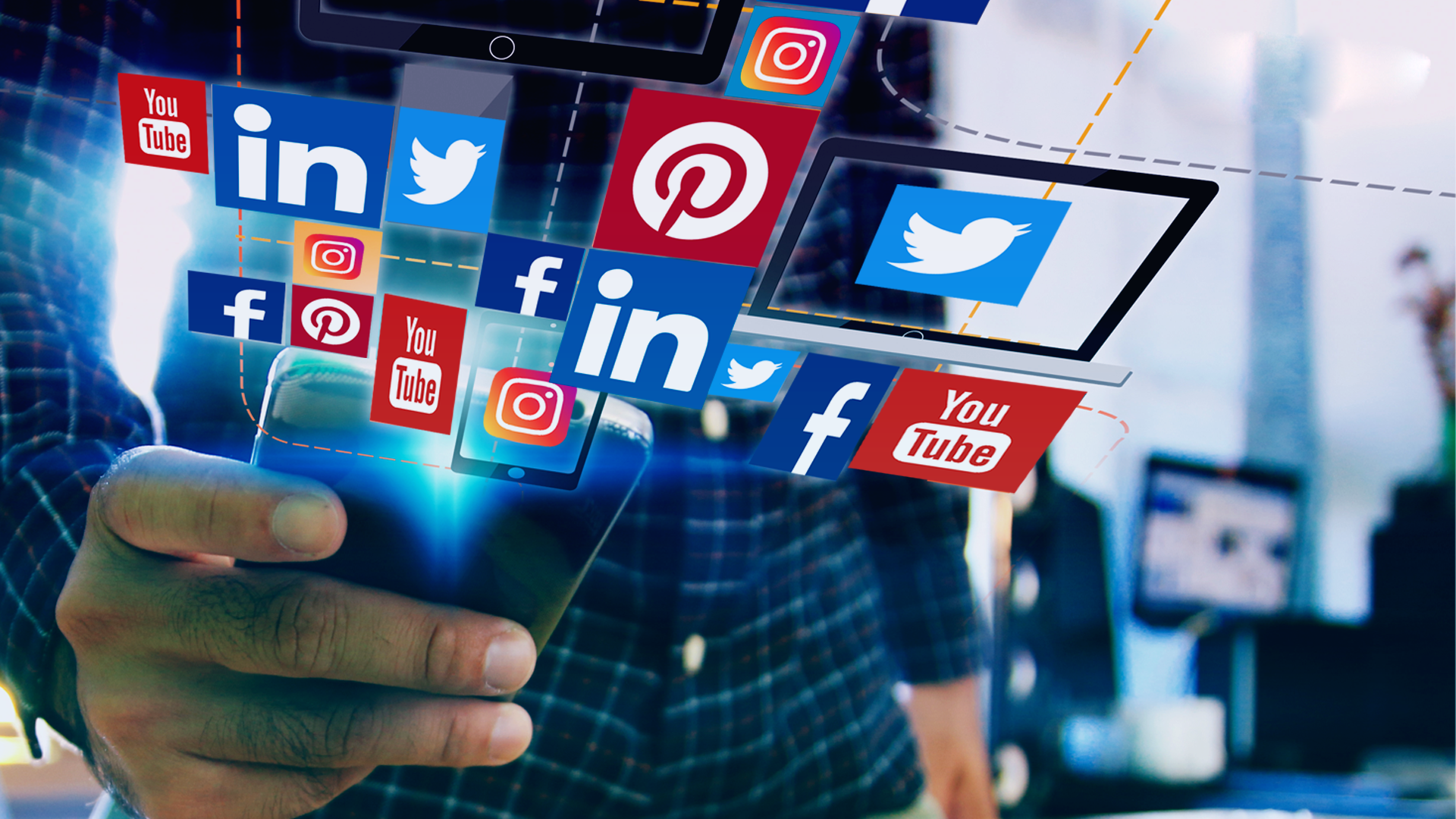
Social media platforms—Facebook, WhatsApp, X (Twitter)—have exploded across Nigeria, connecting millions and allowing ideas to spread faster than harmattan fire. According to DataReportal’s 2024 Nigeria report, we’ve got about 38.7 million Facebook users, 7.57 million X users, and 51 million folks gisting on WhatsApp. No wonder, influencers now hold real power, not just as entertainers but as arbiters of news, justice, and even mischief.
This is where things get interesting. Social influencers aren’t just famous faces or aspiring celebrities anymore. They’re everyday Nigerians—students, traders, and activists—who command massive audiences simply by tapping “go live.” As algorithms pump up viral content, the line between truth and tale is dangerously thin. The consequences? We’re seeing greater risks of misinformation and hate speech, rippling out from Kano to Lagos and beyond. The effect? Objective facts often lose out to viral, emotionally charged gist.
Fake News and Hate Speech: How Bad Is It, Really?
To say fake news and hate speech are causing wahala in Nigeria is an understatement. According to experts like Nwachukwu Egbunike, these trends are distorting elections, fueling social divides, and making it harder for facts to do their job. The scary part? The people pushing these narratives often hide behind fake names and avatars—so tracking, let alone regulating them, is almost impossible. Unlike traditional media of old, which was tightly regulated, social platforms today place the mic in everyone’s hand, regardless of motive or fact.
The main engine behind this? Algorithmic feeds designed by tech giants to keep us scrolling, sharing, and—sometimes—arguing. These algorithms are notorious “black boxes:” rules and calculations nobody fully sees, programmed to maximize engagement (and ad revenue) above balance. In the end, this creates echo chambers, where people only hear voices that “agree” with them. It’s like a Danfo driver and a keke man arguing inside their own head. Na so social media be nowadays!
The Kano Example: Where Radio and Social Influence Collide
If you know Kano, you know this town doesn’t joke with radio. Over 30 FM stations, countless TV and online channels, and more than forty online newspapers mean every street and every suya spot is in on the latest debates. Even traditional radio has gone digital—connecting via Facebook Live, updating WhatsApp groups, and keeping politicians on their toes.
Now enter the famous Sojojin Baka—Kano’s own warriors of words. Once called Yan Gwagwarmaya (social justice advocates), they got their now-iconic name from political journalist Zulyadaini Sidi Mustapha Karaye, who observed: “I saw their courage in defending or challenging government on the airwaves. On radio, they act like commanders issuing orders. Many have faced jail, bans, or worse, yet they persist. While soldiers hold guns, these ones use only their tongues.”
Sojojin Baka are self-appointed commentators—some of whom collect pay from political actors, according to reports—who sit on radio day after day, calling out politicians or praising them, hyping political parties, or defending entire communities. Some have amassed wealth and become local celebrities, often regarded by politicians as greater assets than even the electorate they seek to reach. Notable names include Abdulmajid Danbilki Kwamanda (APC), Sani Garka Dambatta (APC), Alhajiji Nagoda (NNPP – Kwankwasiyya), and Aminu Muhammad Adam (Labour Party), all under the umbrella of the Gauta Club led by Alhaji Hamisu Danwawu Fagge.
Explosive Voices Shaping the North’s Political Conversation
One story from the summit that grabbed attention was that of Danbilki Kwamanda, Kano’s firebrand radio commentator. Hosting high-profile political analysis every Sunday on Rahama Radio and Vision FM, his style combines humour, deep Hausa idioms, and sharp critique, making him beloved—or feared—across Northern Nigeria. His controversial remarks have reportedly earned him both censorship attempts and street-level fandom.
But Kwamanda is just one example. Others, like skit producer Dan Bello (renowned for tackling corrupt leaders creatively), JJ Omojuwa—the master of Twitter/X conversations—and Hausa music maestro RaRaRa, all show how fast a person’s “ordinary” voice can scale when amplified by technology. According to summit reports, figures like Rinu Oduola of #EndSARS fame and Facebook agitator Rabiu Biyora, are the new vanguard—combining passion, algorithms, and social networks to tilt Nigeria’s political table, for better or worse.
The Social Media Impact: Blessing, Curse, or Both?
So, is the digital “megaphone” in Nigerian hands a blessing or a curse? Depends on who you ask! For some, media democratization allows unheard voices to challenge injustice, spark #EndSARS, and mobilize for change. For others—especially when headlines are manufactured for attention, or hate speech goes unchecked—it’s a threat to unity and stability. The challenge, according to Lagos-based media analyst Hafsat Sule (interviewed June 2024), is finding the balance between openness and responsibility: “Without tough regulation and local action, we risk letting fake news drown genuine voices. But too much control and we lose the power to hold leaders accountable,” she noted.
- Pros: Everyday Nigerians now have a say, youth voices are reaching government, and social causes quickly gain footing nationwide.
- Cons: Unrestricted misinformation can fan the flames of violence, and political actors often use influencers (reportedly) to manipulate narratives.
Where Do We Go From Here?
The explosive growth of social influencers in Nigeria is unstoppable, but as we saw in Kano—and in online battles from Enugu to Port Harcourt—every power needs its boundaries. Some Nigerians advocate for community-led fact-checking and education, rather than just top-down bans. Others argue the most pressing need is for tech giants to finally invest in safer, more context-aware algorithms for the African audience. So, as the debate rages on, one thing remains clear: Whether on radio, Facebook, or X, the voice of the people is louder—and more complex—than ever before.
But wait—over to you: With influencers reshaping everything from politics to pop culture, do you think social media is helping or harming Nigeria’s democracy? How should we protect truth without stifling free speech? Share your thoughts below and let’s keep this important conversation going!
Have a story to share or sell? Your unique experiences and sharp opinions could be the next big gist on our site! Email us at story@nowahalazone.com to get your voice heard or discuss story sales.
For general support, you can always reach us at support@nowahalazone.com.
Abeg, don’t forget to join the conversation on social: follow us on Facebook, X (Twitter), and Instagram for more updates and community vibes.
What’s your view? Drop your hot take in the comments and let’s continue this wahala together!