
What if Nigeria’s entire health future rested on the stories we tell — and those we dare to investigate? Omo, health no be beans, and in a country where millions hustle daily with uncertainty about medical care, who is holding the system to account? This week, a powerful dialogue unfolded in Abuja, unlocking the shocking truth about how the Nigerian media might just be the missing link to achieving Universal Health Coverage (UHC).
It’s not every day you see top health icons, newsroom champions, and international partners sit face to face, dissecting strategies to transform Nigeria’s health sector. According to Moji Makanjuola, the Executive Director of the International Society for Media in Public Health (ISMPH), “The role of the media isn’t just to pass news along; it’s to energise public dialogue, demand transparency, and stir up action that saves lives.” E shock you? But truly, she is not lying.
The Explosive Power of Media: Changing the Health Narrative
Think about it: every documentary on vaccination, every radio chat about maternal health, or even those community debates on malaria — they all shape how ordinary Nigerians see the health system. According to Ms Makanjuola, the media is “the connective tissue between policy, public perception, and accountability.” In simpler words, na dem dey ginger both government and the people to sit up.
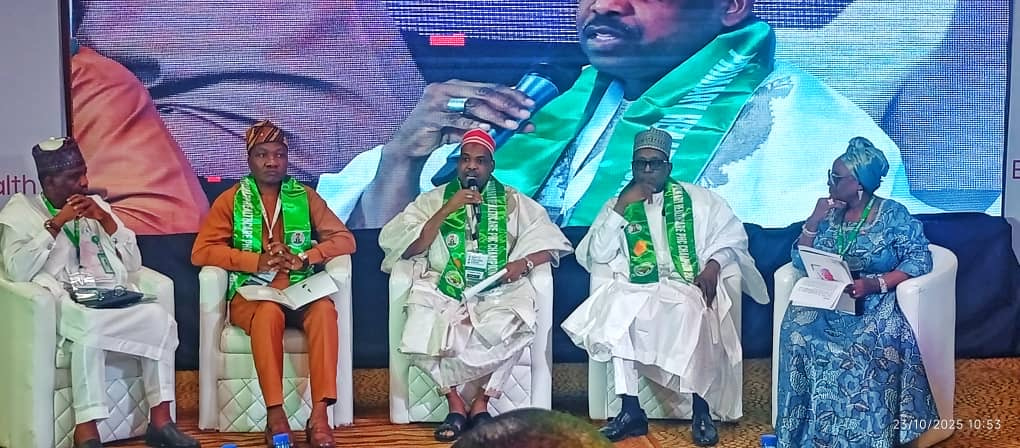
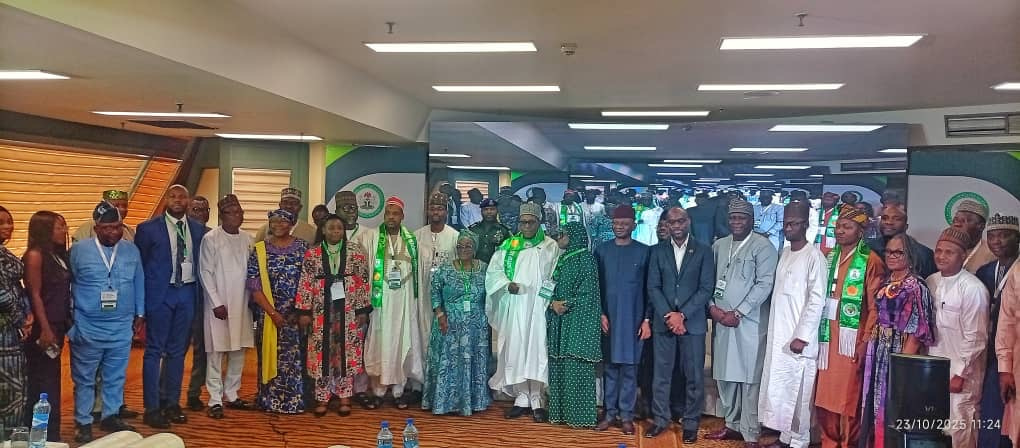
At Thursday’s High-Level Media Advocacy Dialogue, Ms Makanjuola revealed that the media’s impact is more than just headlines and soundbites. She stressed the need for stronger collaborations among journalists, policymakers, and development partners — the kind of teamwork that can scatter roadblocks on the path to UHC in Nigeria.
“Every well-researched documentary, every investigative feature, every community radio dialogue that informs citizens on immunisation, family planning, or antenatal care contributes directly to saving lives,” she stated, igniting applause from the gathering.
Media, Policy, and Public Trust: Three Sides of the Same Coin
So, what stops the media from achieving its full potential? Some say na lack of information, others point to inadequate support. But one thing clear, Ms Makanjuola explained: “Journalism must go beyond reporting challenges. Our job is to highlight innovations, inspire reforms, and back every claim with data.”
Her argument is clear — evidence-driven stories can strengthen governance, promote lasting reform, and most importantly, improve maternal and child health outcomes. For everyday Nigerians, this could be the game-changer that gives children access to immunisation or assures pregnant women of proper antenatal care, whether they’re in rural Kano or bustling Lagos.
She also noted that ongoing, effective communication between media and policymakers is what keeps public trust intact. When government health initiatives are delivered transparently, the average Nigerian is more inclined to listen, cooperate, and play their part.
Inside Story: Nigeria’s Leaders Weigh In
Was it all smooth talk and high hopes? Not at all. Nigeria’s Coordinating Minister of Health and Social Welfare, Professor Muhammad Pate, was blunt: responsible journalism goes beyond just exposing flaws. “We cannot afford to dwell only on criticism — we must balance that with stories that uplift and drive positive national change,” he urged.
Professor Pate said the media has the “power to weave a narrative of possibility and renewal, not just lamentation.” This, he stressed, is crucial in motivating leaders and citizens alike to rebuild the health system from the ground up. Still, he didn’t shy away from hard truths — pointing out that corruption and misuse of health resources at facility level pose serious threats to progress.
“There’s been unprecedented effort to expand direct financing for primary health centres, but the people themselves must ensure this money actually reaches the clinics and is not ‘lost’ on the way,” he said. This one pass me — but it’s the reality across much of naija.
Journalists as Accountability Partners: Following the Money
Uche Amaonwu, Nigeria Country Director at the Gates Foundation, added more fire to the discourse. He called journalists “accountability partners,” highlighting their role in tracking health budgets, investigating medicine stockouts, and spotlighting the plight of unpaid health workers. “When the media keeps tabs on budgets or investigates supply gaps, it transforms public policy into public awareness,” Amaonwu explained.
He further noted that such awareness lights a fire under the right authorities, compelling stakeholders to act. Empowering journalists to follow the money, tell human stories, and demand accountability is critical if Nigeria’s primary health care system is ever to deliver on its promise, he said.
The Nigerian Perspective: Real Impact Beyond the Headlines
All this talk might sound high-level, but the local impact is deep. Take Amina, a mother in Kaduna, who after listening to a radio exposé on polio immunisation, demanded the vaccine for her newborn twins. Or Emeka, a health worker in Anambra, who got paid after investigative journalists exposed delayed salaries in his local health centre. Victor, a Lagos-based health analyst, puts it this way: “Without the media, these stories stay buried, and people remain in the dark.”
Still, there are challenges. According to a 2023 UNICEF report, less than 5% of Nigeria’s population has access to key UHC services. And compared to African peers like Ghana or Rwanda, which have made big strides in community health coverage through proactive media advocacy, Nigeria still dey hustle to catch up.
Opportunities and Obstacles: The Way Forward for Nigerian UHC
Even with the odds, Nigerians are known for their resilience and grit. The consensus at the Abuja dialogue? For real improvements to happen, both media and policymakers must “walk together” — sharing accurate data, prioritising solutions over finger-pointing, and drawing inspiration from grassroots innovations, especially in under-served communities.
- Support for journalists: Training, data access, and resources to track health reforms.
- Collaboration with government and NGOs: For more evidence-based policy and honest dialogue.
- Public vigilance: Citizens must demand transparency and speak up for their health needs.
After all, a working UHC is not just policy — it’s personal. It’s about mothers surviving childbirth safely, children getting vaccinated, and everyday people living without fear of medical poverty. That’s why this latest media dialogue isn’t just another Abuja event. For many, it’s hailed as an “unprecedented” leap toward genuine health reform, and a reminder that collective action — with the media at the centre — can truly save lives.
Where Do We Go From Here?
So, what’s next for Nigeria’s health coverage dream? Will journalists, policymakers, and everyday citizens keep the momentum going, or will old habits swallow new hopes? Omo, the stakes are high — na all of us go benefit if the system works, but also suffer if it fails.
What’s your view? Should the media do more in fighting for health reform, or is it the government’s responsibility to provide better information? Drop a comment below and join the movement. Your opinion matters — because when it comes to Nigeria’s health future, silence is not an option.
Do you have a hot tip, personal experience, or opinion about Nigeria’s health system or media advocacy? We want to hear your voice! Contact us at story@nowahalazone.com to share your story or explore featured submissions and story sales.
For support or general inquiries, reach us at support@nowahalazone.com. Be part of the conversation and follow us on Facebook, X (Twitter), and Instagram for the latest updates!