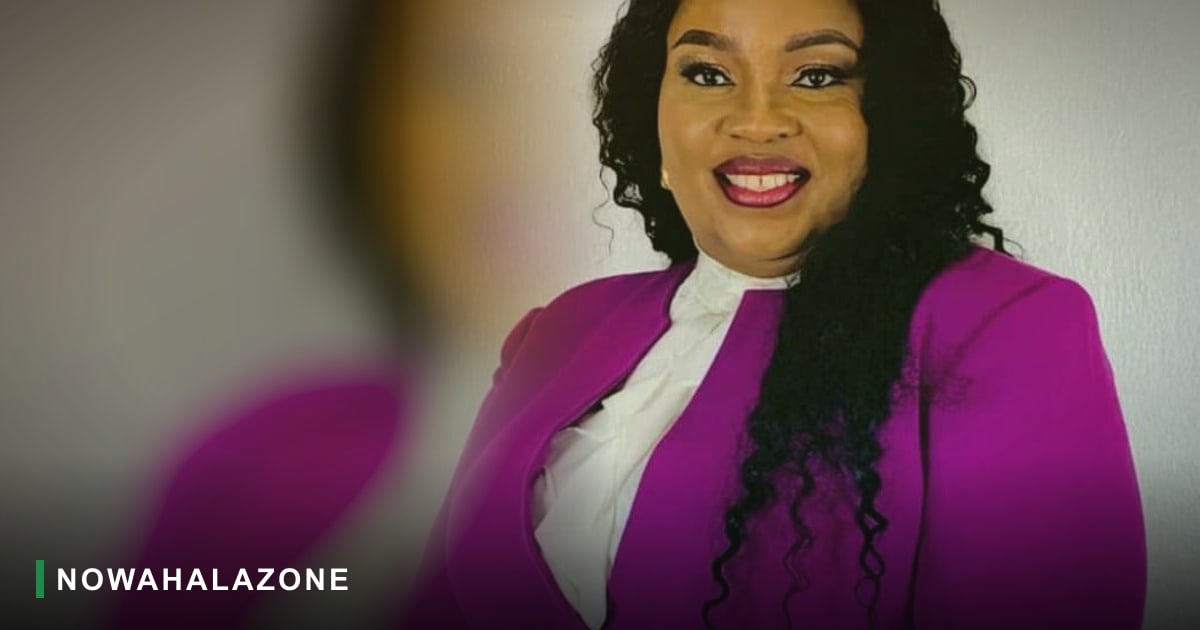


A deeply unsettling incident in Ohio, United States, has sparked discussions among Nigerians and West Africans alike about issues of intimate partner violence and the justice system’s response to such acts. This case, which has drawn significant media attention across both the US and international communities, involves a 45-year-old woman who is the focus of an intense police manhunt following a violent attack on her partner. According to law enforcement reports, the woman is alleged to have forcefully entered her boyfriend’s home and inflicted a serious injury with a sharp object.
Toledo police issued an arrest warrant for the woman, whose name has been released by authorities as Hopings. Police allege that she forcibly broke down the front door of her partner’s residence in Toledo, stormed inside, and carried out what investigators described as a brutal and unauthorized act resulting in severe physical harm to the victim.
According to the official case file, shared with local Toledo press and referenced in American media outlets, Hopings is accused of carrying out a “violent, unauthorized ‘surgery’” on her boyfriend. It is alleged that she used a sharp instrument on his reproductive organs, leading to an injury so grave that immediate emergency hospital treatment was required. Authorities have noted that such an attack not only causes lasting physical trauma but also psychological distress.
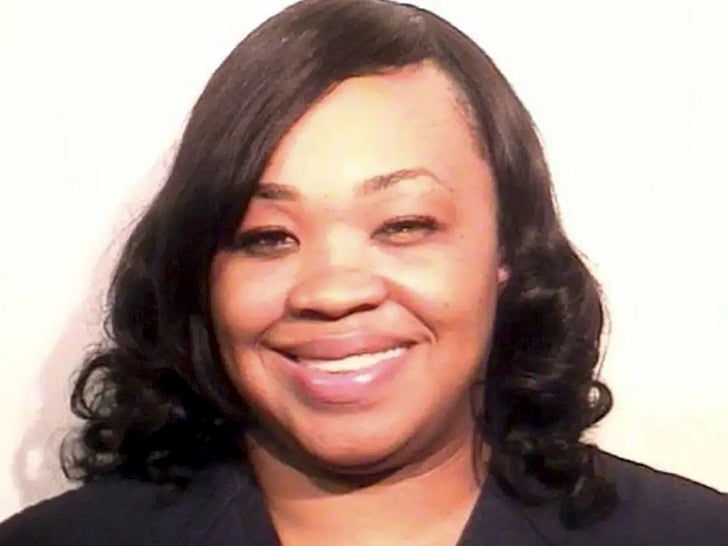
In response to the attack, police swiftly began searching for the suspect, and have since charged her with felonious assault, which is classified as a serious offence in most jurisdictions, as well as aggravated burglary. These are grave crimes under Ohio law—felonious assault involving serious harm can result in heavy prison terms if the accused is convicted. Legal experts underscore that, in many parts of the world, including Nigeria and Ghana, similar charges would also attract severe sentences and be handled with utmost seriousness by authorities.
To date, no recent mugshot has been released for Hopings, but according to area police, an image from a prior arrest has circulated online, fuelling public debates around privacy, media responsibility, and the handling of sensitive cases.
As at the time of this report, the accused remains at large. Local police in Toledo, along with other regional law enforcement agencies, are actively pursuing leads to ensure her apprehension, urging anyone with relevant information to come forward.
This case has not only gripped the American community but has also raised questions across African society regarding gender-based violence, domestic disputes, and how similar situations are managed domestically. Intimate partner violence remains a topic of great concern in Nigeria and Ghana, with NGOs like Project Alert Nigeria and the Domestic Violence and Victim Support Unit (DOVVSU) of the Ghana Police Service highlighting both the prevalence of cases and the need for stronger enforcement of laws protecting vulnerable individuals.
The Local and African Perspective
Legal analysts in Lagos have weighed in, stating that, “While this attack occurred in the United States, it mirrors the broader, global challenge of dealing with intimate partner violence. West Africa, too, faces similar cases, though underreporting is common due to stigma, cultural perceptions, and fear of retaliation,” according to Barrister Jacob Olumide, a family law expert based in Abuja (2024).
Data from the National Bureau of Statistics and the Nigerian Demographic and Health Survey reveal that over 31 percent of ever-married women aged 15-49 in Nigeria report having experienced physical violence from their spouse or partner at some point. Such incidents often go unreported, and even when reported, access to justice can be slow or complicated by social pressures.
Similarly, organizations in Ghana note that the complexities of modern relationships—and the stressors of economic hardship and mental health challenges—have contributed to a rise in domestic violence incidents. Efforts to increase awareness and encourage the reporting of such crimes are ongoing, but many survivors continue to face barriers to protection and support.
The Ohio case has also sparked discourse about the role of law enforcement and the justice system in responding to acts of violence in domestic settings. Experts point out that, while American authorities have issued an immediate arrest warrant and initiated a manhunt, the process can be less straightforward in other contexts, such as in parts of Africa where logistical and legal hurdles remain.
Global Lessons and the Road Ahead
Comparing global approaches can offer lessons for Nigeria and other West African nations. In the United States, the issuance of an arrest warrant, media coverage, and prompt medical intervention demonstrate both strengths and limitations of the American justice system. Yet, challenges such as protecting the privacy of suspects and victims and preventing media-fueled sensationalism are universal.
As Nigerian policymakers and social advocates continue to push for reforms—such as the 2015 Violence Against Persons Prohibition (VAPP) Act—experts say the priority must be on supporting survivors and ensuring justice is both accessible and swift. Meanwhile, the ongoing search for the accused in Ohio serves as a reminder that global societies share responsibility in addressing violence at all levels.
Public reactions in online forums, group chats, and local viewing centres have been mixed. While some call for increased vigilance and education around domestic violence, others stress the importance of not rushing to judgment before all facts are confirmed in court. In the age of social media, cases like this often become viral topics, but it is essential to approach such tragedies with sensitivity and care, respecting both the victims and the rights of the accused.
As investigations in the United States progress, Nigerians and West Africans are encouraged to reflect on what systems and community initiatives can be put in place to both prevent and respond to similar cases back home. Dialogue, education, and robust legal frameworks are key to reducing rates of intimate partner aggression and ensuring all parties have access to justice.
We invite our community not just to follow developments in this international case but also to consider how such stories can inspire action locally. What laws or social changes do you think are needed to reduce intimate partner violence in Nigeria and across Africa? Share your opinions and help spark real change in your community.
Below are some of the comments;
We want your perspective! What solutions do you think could help curb intimate partner violence in Nigeria or your community? Drop a comment below and keep the conversation going. For more stories and timely updates, follow us on
Facebook,
X (Twitter), and
Instagram.
Got a story to share or sell? If you or someone you know has a news tip, a personal story, or wants to sell their story, reach out to us at story@nowahalazone.com.
We also accept tips and opinions on news and issues affecting your community! For general support, contact support@nowahalazone.com.