
The Truth About Cleaning and Cooking Mushrooms: Insights for West African Kitchens
Mushrooms are much more than just a side dish—they’re steadily becoming a favourite ingredient in Nigerian and West African cuisine. Yet, a regular question arises among many home cooks: What’s the best way to prepare mushrooms? Should we wipe them, give them a good wash, or even peel their skin? With diverse opinions flying around kitchens from Lagos to Accra, let’s explore what top chefs and food experts suggest—and how these tips fit our local context.
To start, chef Will Murray, a seasoned fungi enthusiast and co-founder of some of London’s most prominent restaurants, has a unique approach. He’s so passionate about mushrooms that he grows his own and ensures his kitchen staff clean them “at least three times in bowls of cold water.” This advice lands him squarely in the middle of the global mushroom cleaning debate. For many in Nigeria and Ghana, where fresh produce sometimes carries a bit of soil from the farm, the question is more than academic—it’s about making sure food is both tasty and safe.
But is washing mushrooms in water really the best method? Notably, world-renowned chef Heston Blumenthal dismissed the myth that mushrooms become unpleasantly waterlogged when washed. He refers to food scientist Harold McGee, who demonstrated in his book, “The Curious Cook,” that soaking mushrooms for five minutes increased their weight by only about 6 grams—a minuscule amount, equivalent to just a 16th of a teaspoon of water per mushroom. So, for those who like to rinse their ingredients as a matter of habit (especially with “dusty” mushrooms in our local markets), a quick rinse under cold water is unlikely to ruin their texture or taste.
However, not everyone is convinced. Some chefs prefer dry methods for cleaning mushrooms. Ben Rand, executive chef at Bubala in London, swears by using a pastry brush or the dull side of a knife to remove dirt. Food author Conor Spacey echoes this, recommending gentle brushing as well. Back home, many Nigerian cooks get creative—some use soft toothbrushes, while others rub mushrooms with a dry napkin or place them briefly in a colander and shake off the dirt. Indeed, Claire Thomson, cookbook author and mother, uses a piece of dry kitchen towel to rub away stubborn debris. Clearly, personal preference and context matter; what works for one kitchen may not fit another.
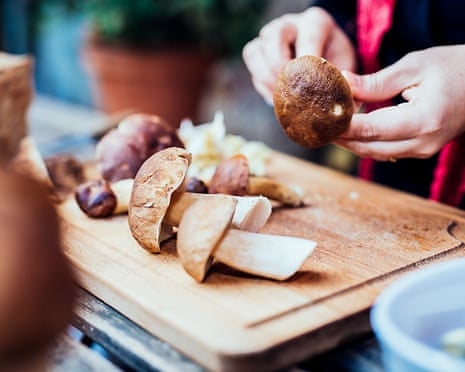
To peel or not to peel? Peeling mushrooms is a step most chefs avoid. Spacey advises only peeling the stalk if it’s especially thick and woody—common in some large wild mushrooms found in ECOWAS fresh produce markets. For more mature mushrooms or those that have lingered a bit too long in the fridge (the infamous “never to return” drawer), peeling away the top layer with a small knife can give them a second lease on life. In Nigerian home kitchens, especially when preparing for elders or those with sensitive stomachs, some cooks still insist on peeling, citing tradition and texture, but in most cases, it’s safe to skip this step for common varieties like button, oyster, or shiitake mushrooms.
Cooking Mushrooms the Nigerian Way: Heat, Oil, and Patience
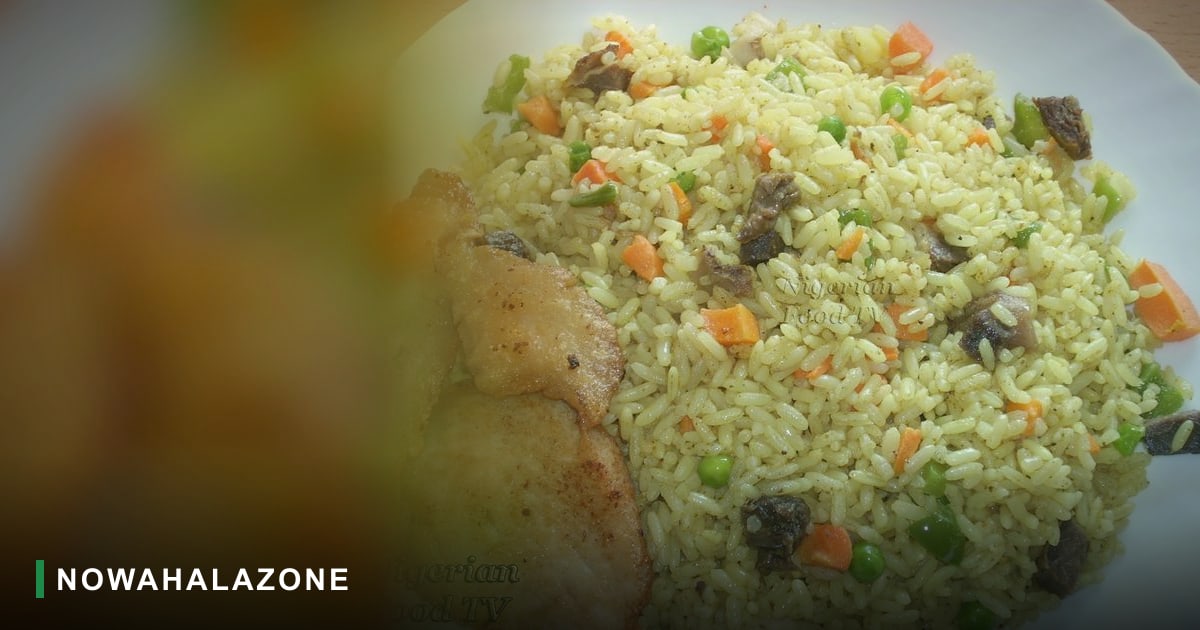
Moving on to cooking—this is where mushrooms can truly shine. According to Will Murray, mushrooms deserve the same attention we often give to proteins like meat. This means, whether making a jollof rice with mushrooms, a rich pepper soup, or even dodo (fried plantain) and mushroom stir-fry, your pan should be as hot as when searing beef or chicken. The goal is to ensure the mushrooms go from steaming in their juices to browning properly and developing a deep, umami-rich flavour.
Ben Rand offers another layer to the technique: heat some olive oil, toss in your mushrooms, and follow with a generous amount of butter. This combination not only creates a glaze but helps produce a sauce from the mushroom’s natural juices. Many in West Africa might swap out butter for locally made margarine or groundnut oil, both of which pair beautifully with mushroom and locally available spices.
Garlic is practically a soulmate to mushrooms—Rand cleverly uses a clove skewered on a fork to stir, which imparts flavour subtly and avoids overpowering the dish. Nigerian home cooks can use this method or simply crush a clove or two into the oil as the mushrooms brown, adding in other aromatics like onions, uziza, or a touch of Cameroon pepper for heat.
Patience is vital, advises Claire Thomson. Cooking mushrooms until they release all their liquid—waiting for that sizzling sound that means they’re truly frying—is the secret to a perfect result. At this stage, they develop a meaty texture and a rich, savoury taste that’s perfect for vegetarian fillings, sauces, or as a unique protein alternative. For example, Thomson combines mushrooms with onions, garlic, tomato purée, beans, and a pop of chili to make a hearty quesadilla filling. West Africans taking this cue could substitute with locally available beans and peppers, or fold mushrooms into akara (bean cake) mixes for a nutritious twist.
Oyster mushrooms are a rising star among locally grown varieties, often cultivated in small urban farms across Lagos, Ibadan, Abuja, and beyond. Will Murray recommends shredding and roasting oyster mushrooms with salt, then binding them into patties using mushroom stock and tapioca starch. West African cooks can use cassava flour as a binder, and double-fry the patties for a crunch reminiscent of suya. The result? A “pulled beef” style patty, but made purely from mushrooms—vegan, flavourful, and ideal for burgers, sandwiches, or as a standalone street snack with spicy sauce on the side.
For those looking to boost plant-based content in familiar dishes, grating mushrooms into a meatball or burger mix is a revelation, according to Thomson. She highlights that grated mushrooms can partially replace mince, increase fibre, and improve texture in traditional recipes without making them taste overtly “vegetarian.” Even skeptical eaters, including kids, often enjoy the result. In Nigeria and Ghana, try adding grated mushrooms to suya beef kebabs or spicy meatballs for an extra boost of umami and moisture.
Why Mushrooms Matter: Local Relevance and Global Trends
The growing interest in mushrooms in West Africa aligns with global trends favouring sustainable, healthy eating. In Nigeria, small-scale mushroom farming is gaining traction thanks to low entry barriers and high demand in urban markets. According to the National Root Crops Research Institute, more than 300 local farmers participated in mushroom training programs in 2023, driven by the need for alternative, income-generating crops.
Mushrooms are nutrient-dense, providing protein, fibre, and key vitamins (notably B and D), making them an excellent option for balancing meals in areas where animal protein may be costly or unavailable. They also fit easily into a variety of popular West African dishes, from soups and stews to snacks and garnishes, making them a versatile addition to any kitchen. The environmental impact of mushroom farming is also low compared to livestock rearing—an important factor in regions dealing with climate change and food security challenges.
Despite these strengths, challenges remain. Some Nigerians are wary of mushrooms due to traditional beliefs or concerns over wild varieties, which may be toxic if harvested improperly. Food safety advocacy is crucial, with experts urging only the use of commercially grown or well-identified wild mushrooms. According to the Lagos State Ministry of Agriculture, periodic workshops for local communities focus on safe cultivation and identification protocols.
In Summary: A Practical Guide for Nigerian and West African Mushroom Lovers
- A quick rinse in cold water is fine for most mushrooms; just don’t soak for too long.
- Use a soft brush or dry cloth to remove visible dirt if you’d rather not use water.
- Peeling is generally unnecessary—save this step for tough, woody stalks or older mushrooms.
- Cook mushrooms on high heat, with oil or butter, and wait for them to brown and sizzle.
- Experiment—add mushrooms to jollof, stews, akara, burgers, or suya for depth and nutrition.
- Always source mushrooms from reputable suppliers—safety matters!
Across Nigeria, Ghana, and the wider region, mushrooms are finding their place on both street food stalls and family dinner tables. As more people embrace plant-based alternatives or seek new flavours, learning to properly clean, prepare, and cook mushrooms is both a skill and a delicious opportunity.
What’s your favourite way to cook mushrooms or include them in traditional West African dishes? Have you tried mushroom suya, akara, or jollof yet? We want to hear about your kitchen experiments, tips, and family recipes!
-
Got a culinary dilemma? Email feast@theguardian.com