
With social media platforms like Instagram and TikTok constantly dishing out fresh nail trends, it’s no surprise many fashion-forward individuals in Nigeria, Ghana, and across Africa keep experimenting with different styles. However, it is just as easy to settle into a cycle of repeating favourite nail designs season after season. Recently, a buzzworthy technique known as the Russian manicure has taken centre stage online, captivating users with its visibly perfect, ultra-neat nail finishes. Reports suggest the hashtag #RussianManicure has steadily gained momentum among beauty influencers and nail enthusiasts worldwide, inspiring many to look beyond conventional nail treatments.
But what sets the Russian manicure apart from traditional gel or acrylic applications? The secret, experts say, lies in its meticulous focus on the cuticles and a detailed approach to shaping, prepping, and finishing nails. According to Elizabeth Morris, owner of The Nail Hub and a professional nail educator, Russian manicures have been a staple in the professional nail community for several years, especially in cosmopolitan hubs. She notes that while the method recently went viral with broader consumers, industry insiders have long recognized its impact. “Within the professional nail industry and in certain metropolitan areas, they have been extremely popular over the last three to five years. Now, more everyday clients are considering them as a premium option for their nail appointments,” Morris explains.

Meet The Experts: Elizabeth Morris, founder of The Nail Hub and experienced gel nail educator; Enamelle, celebrity nail artist known for her intricate designs.
Morris observes that the Russian manicure’s appeal lies in how it delivers a sharply polished effect in less time compared to some traditional methods. “Clients are drawn to the extra-clean result, and for technicians it’s a faster, more efficient way to work,” she notes. This efficiency could be especially important for busy Nigerians looking to maximize salon visits without sacrificing quality as well as for African nail artists hoping to differentiate themselves in a competitive market.
To better understand the intricacies of this trending nail procedure, we sought insights from leading professionals who broke down the essentials and discussed why this technique is gaining such traction.
What Is a Russian Manicure?
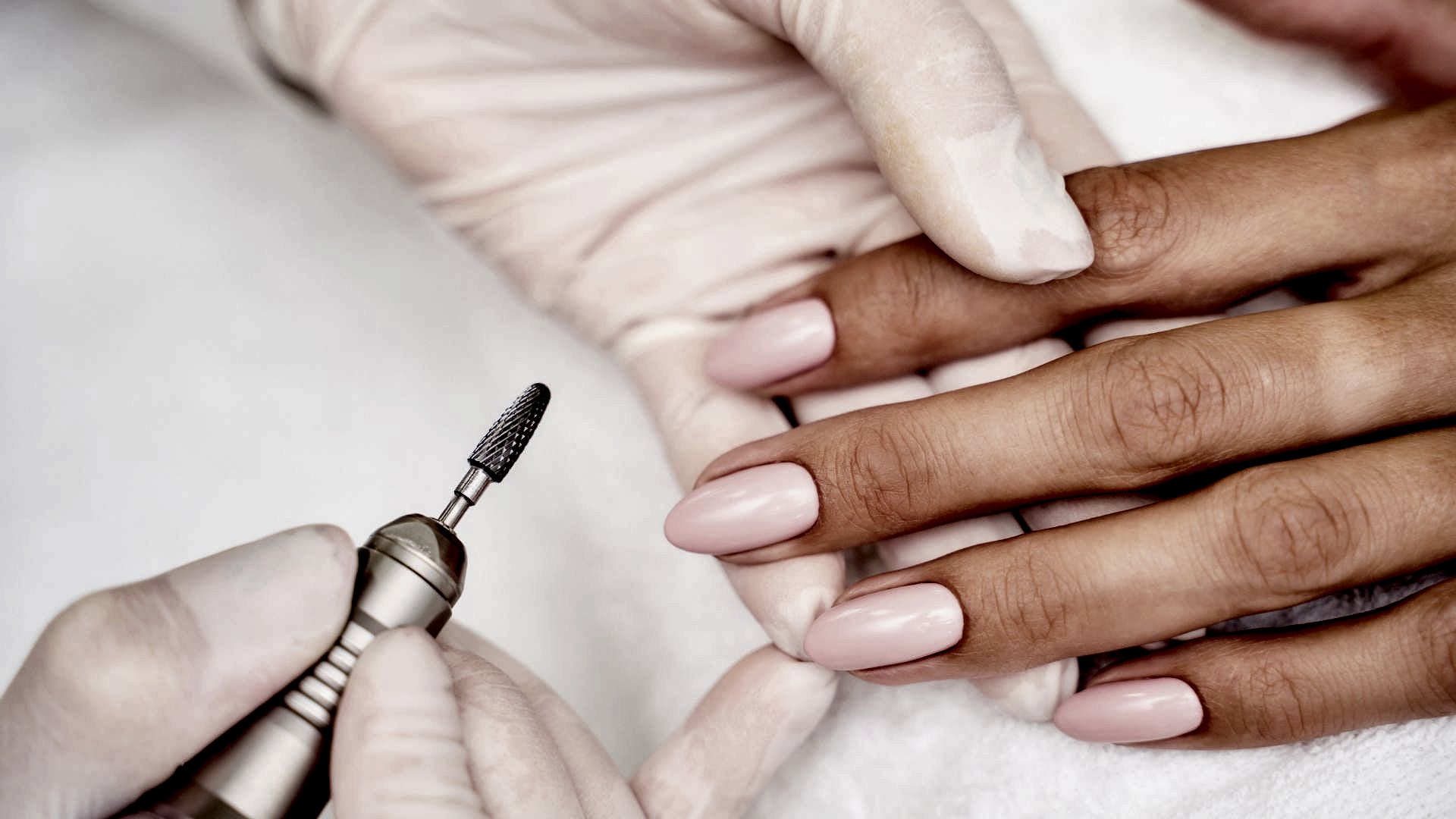
If your experience with manicures typically involves soaking hands in water, softening the cuticles, then gently pushing them back before painting, the Russian manicure brings an innovative approach. Instead of water baths, the technician relies on precise dry techniques where cuticles and surrounding skin are carefully cleaned and shaped using an electric nail file (also called an e-file).
Celebrity nail artist Enamelle describes the Russian manicure as a gel manicure elevated by advanced cuticle care with electric tools. “Think of it as combining the long-lasting power of a gel manicure with extremely thorough, machine-assisted cuticle work,” she explains. This is why the service is sometimes referred to as a ‘machine manicure’ or an ‘e-file manicure’ by beauty professionals.
“Over the last couple decades or so, our industry has begun to realize that water can actually damage nails more than it helps and the best way to get products to adhere the best and last longest is to do what we call dry manicuring,” Morris says.
For the “machine manicure,” nail specialists use a selection of tiny, specialized bits on the e-file to delicately shave away excess cuticle and dead skin around the nail. This approach reportedly brings multiple benefits: not only does the polish application look neater and more refined, but the manicure itself often lasts between three and four weeks—outperforming the typical two to three weeks lifespan of standard gel manicures. This durability makes the Russian manicure an appealing prospect for busy Nigerian professionals, students, and those seeking low-maintenance beauty routines.
Key Benefits of the Russian Manicure
The popularity of the Russian manicure isn’t just hype. It’s backed by a reputation for precision and longevity. Here are some highlighted advantages, particularly relevant for West African clients:
- Ultra-precise manicure results without water soaking
- Cleaner finish—polish sits flush at the very edge of the cuticle, creating a seamless look
- Reduced risk of polish lifting, splitting, or nail dehydration since nails are not exposed to water during the process
- The appearance of “paint under the cuticle”, achieved by cleaning and prepping the area so thoroughly, gives a salon-quality that stands out in photos and real life
Morris adds, “Using an e-file lets nail techs deliver that sharply detailed look with less risk of product lifting or other common issues. When done right, your nails will look as though the polish starts directly from the skin, but it’s actually just extremely close due to how precisely the cuticle was cleaned and trimmed.”
This refined approach might find resonance among Nigerian and Ghanaian women, for whom well-groomed nails are not just fashion statements, but sometimes symbols of status and meticulous self-care. As more professionals and celebrities in Africa share their Russian manicure transformations online, local salons may find increased demand for skilled technicians who offer this advanced service.
How Safe Are Russian Manicures?
Despite the remarkable finish and longer wear, Russian manicures are best entrusted to highly trained professionals. Experts warn that improper use of e-files or lack of knowledge about nail anatomy can result in nail damage, soreness, or even infection. “Don’t take shortcuts with this technique,” Morris warns. “Anyone offering the service should be deeply trained, not just in e-file techniques, but also in general nail and skin health.”
“The skin that surrounds our nail plate is very sensitive and actually is the one thing that creates a barrier which prevents infections and other types of issues around our nails,” Morris says. Without the necessary skills, nail artists can easily break the seal between the skin and nail plates, leading to potential scarring, infection and permanent damage.
For Nigerians and other West Africans considering this manicure, due diligence is key. Always ask potential nail artists about their certifications or training, especially when they’re using electric files. Find out how they sanitize their tools—important for avoiding health risks like fungal infections, which can develop in humid environments or with poor hygiene practices.
Enamelle, the celebrity nail artist, underscores this further: “The learning curve for this manicure is steep—like having a master’s degree in technique and artistry,” she says. “It’s best not to experiment with just any corner shop. Instead, research or ask for recommendations before booking a Russian manicure session.” Her advice is echoed by local beauty industry observers in Lagos and Accra, who note that demand for advanced skills and hygiene standards is rising alongside appetite for these international beauty trends.
Is the Russian Manicure Trend Here to Stay?
From the bustling salons in Ikoyi and Victoria Island, Lagos, to popular beauty bars in Accra, beauty professionals and everyday clients are embracing global trends while adapting them to local preferences. The Russian manicure offers a way for West African artists to push their craft further—and for clients to get standout results, especially ahead of weddings, owambe parties, or end-of-year celebrations where flawless grooming is noticed and appreciated.
However, specialists warn there are still relatively few technicians in Nigeria or Ghana with advanced certification for the Russian manicure. According to industry insiders, this makes finding a properly trained nail artist both a challenge and an opportunity. “With more training and awareness, this trend could open up jobs and new business avenues,” observes Abuja-based beauty consultant Chinyere Okeke.
As Nigerian and West African beauty enthusiasts continue to adopt and innovate on global manicuring trends, it’s clear the Russian manicure isn’t just a passing fad—it’s a testament to the evolving landscape of African beauty standards and the rising demand for professional skills within the region’s booming personal care sector.
Would you try a Russian manicure, or do you prefer the classic methods? What influences your choice of nail care style—availability, reputation, or cost? Share your thoughts and experiences in the comments. Don’t forget to follow us for the latest in lifestyle, beauty, and fashion trends across Africa—and beyond!
We want to hear from you! Have you experimented with the Russian manicure, or do you run a salon offering advanced nail care services in Nigeria or Ghana? Share your stories, experiences, or tips—your journey might inspire someone!
Do you have a story, beauty tip, or business insight you want to get published or sell? Reach out to us today at story@nowahalazone.com and your experience could be featured on our platform.
For general support, questions, or feedback, email us at support@nowahalazone.com.
Join our growing community—follow us for more lifestyle inspiration and beauty news on Facebook, X (Twitter), and Instagram! Let’s keep the conversation stylish and empowering.