
Journalists play a crucial role in shaping how society understands and engages with children’s issues—especially in countries like Nigeria and across West Africa, where millions of young lives navigated the challenges of insecurity, poverty, and access to basic rights. Recognizing this responsibility, the United Nations Children’s Fund (UNICEF) has called on media professionals to elevate ethical standards in reporting on stories related to children, reminding all that the protections enshrined in the United Nations Charter must remain central within newsrooms and media coverage.
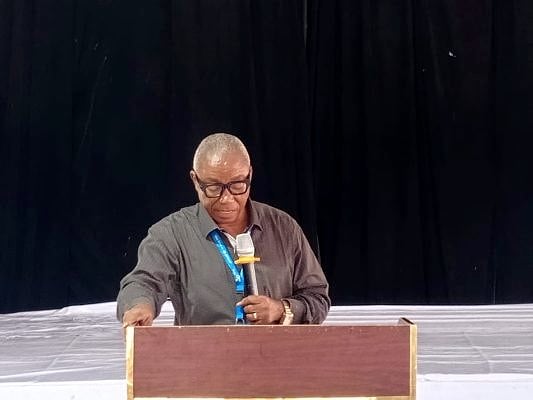
This message was powerfully delivered by Dr. Anselm Audu, Chief Field Officer of UNICEF’s Port Harcourt Field Office, during a recent two-day regional workshop held in Port Harcourt, Rivers State. The event, organized in collaboration with the Federal Ministry of Information, aimed to provide journalists from the South-South, South-East, and North-Central regions with practical tools, renewed focus, and deeper understanding of rights-based reporting—especially for stories involving vulnerable children harmed by violence or instability.
The High Stakes of Ethical Journalism in Child Reporting
Dr. Audu reminded participants that ethical coverage of children’s stories is not just a professional obligation, but “a vital service to democracy and to the community.” He emphasized that journalists wield powerful influence—their reporting can either uplift the most vulnerable or, if handled carelessly, cause lasting harm by fueling stigma, trauma, or public misunderstanding.
According to Dr. Audu, ethical journalism is about building trust, protecting those at risk, and strengthening the social fabric within Nigerian and African societies. “Children require special protection in the media,” he stressed. This means shielding their identities, steering clear of sensationalized headlines, and always prioritizing the child’s well-being over fleeting reader attention or viral moments.
- Protecting identities—Never publishing names, photos, or traits that could expose child victims to further harm.
- Avoiding stigmatization—Covering stories sensitively, without feeding negative stereotypes or exposing children and families to ridicule.
- Preventing re-traumatization—Ensuring children are not thrust into the spotlight in ways that revisit their trauma.
- Upholding dignity and consent—Seeking input and participation from children only in ways that ensure their safety, dignity, and understanding of the process.
“A sensational headline might sell, but an ethical story protects a child’s right to a future free from shame and harm,” Dr. Audu said, echoing expertise from media watchdogs and pediatric psychologists alike. He further warned that publishing any identifying details about young people impacted by violence or abuse can have grave, lasting effects—not only on the child but the broader family and community.
Global Standards, Local Realities
This renewed commitment to ethical reporting is not being made in a vacuum. Nigeria, according to UNICEF and government statistics, is home to over 95 million children—the largest child population in Africa. The country has also seen a proliferation of child-related headlines covering topics as diverse as abductions in the Northeast, underage hawking in Lagos, educational setbacks, and access to healthcare. Yet, advocates note that too often these narratives neglect the voices of children themselves or fail to consider their long-term rights and best interests.
In Lagos, child protection lawyer Aishat Balogun told us, “So many reports on child abductions focus on violence, but forget to highlight what traumatized children need to heal or reintegrate. Ethical journalism must inform without doing more damage.” She advocated for increased collaboration between the media and local child protection NGOs, both for guidance and for amplifying youth perspectives in the news cycle.
Reporters, meanwhile, face pressures of competition, deadlines, and audience expectations—challenges that can sometimes lead to ethical shortcuts, intentional or otherwise. “Journalists want to do the right thing,” explained Uche Okonkwo, a veteran news editor based in Enugu. “But training and resources are needed. The more workshops and resources like those organized by UNICEF, the stronger our coverage becomes.”
Enforcement and Accountability—A Critical Piece
UNICEF’s guidance is supported by national statutes—the Child Rights Act (2003) and guidelines from the National Broadcasting Commission, among others—making it a legal as well as ethical imperative to protect children’s identities. According to officials at the recent Port Harcourt workshop, sharing harmful content or exposing minors online remains prosecutable under the law, and journalists who breach such codes risk reputational damage and legal consequences.
Despite this, enforcement gaps and public awareness remain obstacles. “Many people still post images of missing or victimized children without a thought for their privacy,” said Amaka Obi, a media law specialist in Abuja. “We need both stronger law enforcement and ongoing awareness campaigns for journalists and citizens alike.”
Beyond Sensationalism: Amplifying Children’s Voices
Dr. Audu charged journalists to move past event-driven spotlights, and instead pursue investigative work that brings children’s needs, rights, and perspectives into the heart of the national conversation. This may involve following up on humanitarian efforts—celebrating successes, but also pointing out failings or missed opportunities.
He reiterated, “The society counts on the quality of your reports to shape the national conversation around children. Your pen can either protect or expose them.”
This view was echoed by Toye Falayi, Head of the Child Rights International Bureau (CRIB) at the Federal Ministry of Information, who addressed participants on behalf of Permanent Secretary Mr. Ogbodo Chinasa Nnam. According to Falayi, “As journalists, you have a critical role in safeguarding children’s rights and influencing decisions affecting them. This training is an opportunity to deepen understanding of child protection laws, ethical principles, and the specific vulnerabilities of children in Nigeria.”
Regional Impacts and Way Forward
Community leaders and advocates from Bayelsa to Jos have welcomed UNICEF’s campaign and its regional trainings, noting that improved media literacy could help combat misinformation, challenge harmful stereotypes, and foster a protective climate for children across West Africa. Ghanaian journalist Francis Owusu, speaking from Accra, suggested that lessons from Nigerian media reforms could inform regional best practices for West Africa, where countries face parallel challenges in child protection and journalistic ethics.
Data from the African Union Children’s Charter underscores this: Most African countries now have national legislation aligned to global child protection norms, but implementation is inconsistent. Significant progress still hinges on societal awareness, institutional commitment, and—critically—the everyday practices of the journalists bringing these stories to local, national, and global attention.
A Remaining Gap—and a Call to Action
While participants at the Port Harcourt workshop expressed optimism that the training would inspire better, more nuanced, and impactful storytelling, all agreed that the journey to protect children’s rights in the news cannot end here. Persistent advocacy, continuous education, and constructive dialogue between journalists, child rights experts, policymakers, and communities are essential. According to an Oyo-based teacher specializing in child safety, “One insensitive news story can undo years of advocacy, but a well-reported one can change lives and policy. Every journalist has a stake in getting it right.”
UNICEF and its national partners—including the Child Rights Information Bureau—pledged ongoing collaboration and support for the media sector, reaffirming that media-driven advocacy remains central to reshaping the narrative for children’s well-being, especially in Nigeria’s most at-risk regions.
As this crucial conversation continues, it is clear that the ethical responsibility to protect children extends far beyond the newsroom. It is an ongoing partnership between journalists, government, NGOs, and the communities they serve—a mission with real-world impact on children’s futures not just in Nigeria, but throughout Africa and beyond.
Do you think Nigerian media can do more to protect children’s rights, and how should journalists balance reporting facts with safeguarding young lives? Share your thoughts in the comments below and follow us for updates on this important issue.
Follow us for the latest updates and join the conversation on Facebook, X (Twitter), and Instagram!
Your voice matters. Let’s champion ethical journalism together.