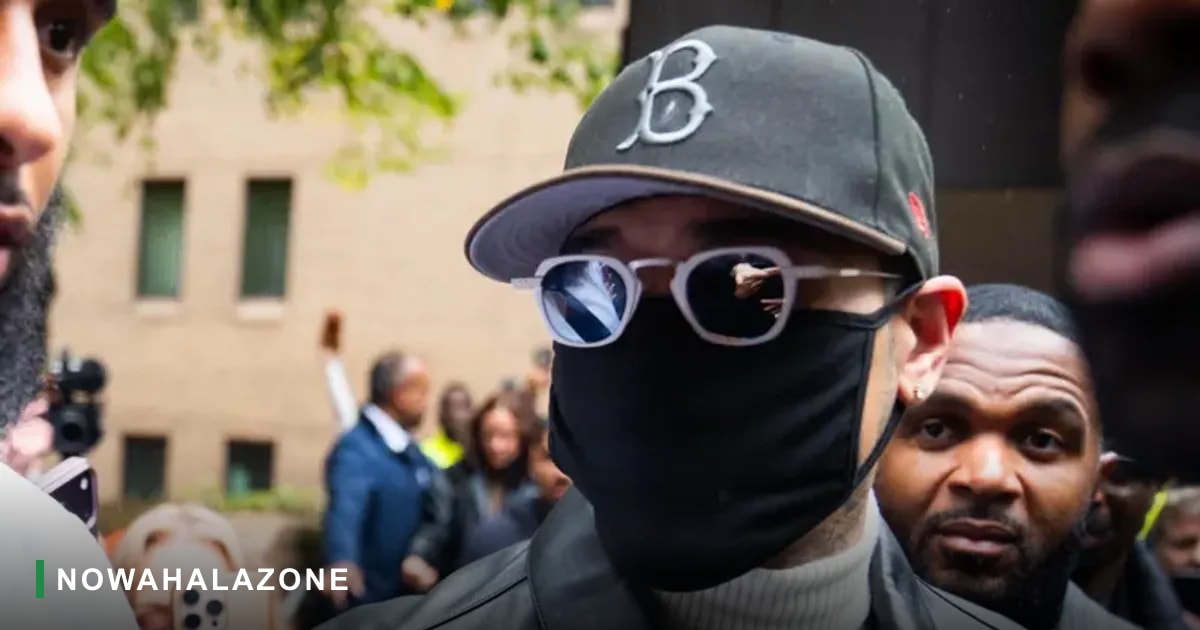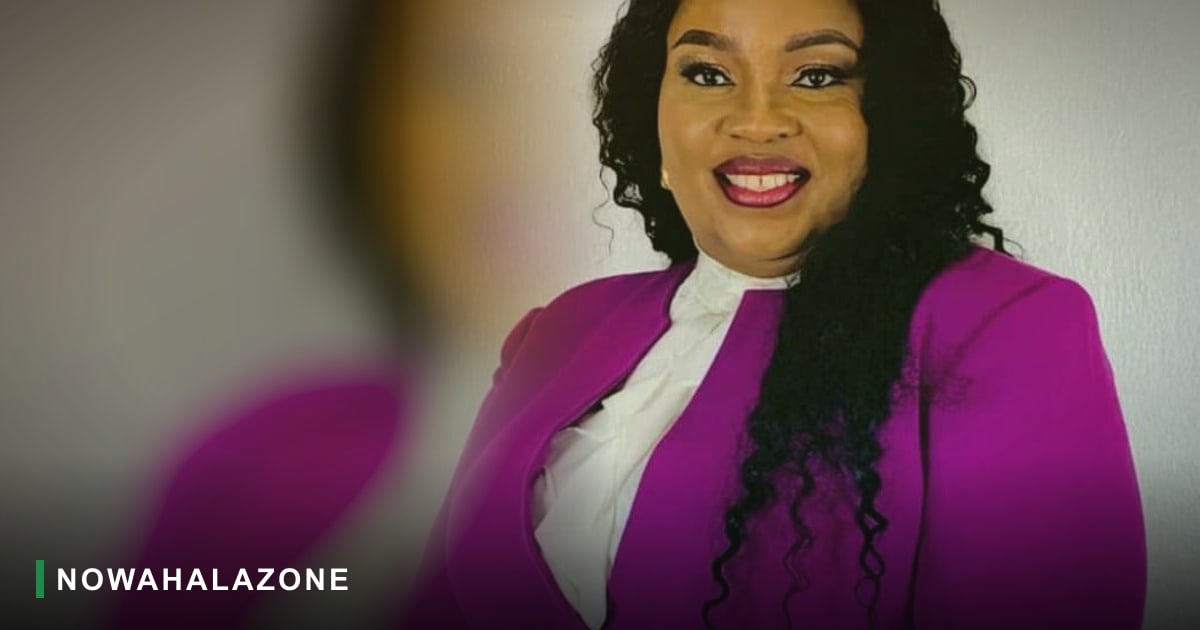


A recent decision by the Magistrate Court in Kano State has sparked heated debate across Nigeria and beyond. In a move that’s drawn criticism from legal and human rights communities, the court reportedly ordered two TikTok creators, Ashiru “Mai Wushirya” Idris and Basira Yar-guda, to marry each other following their involvement in a widely shared video clip. This development is not only raising questions about judicial power and personal freedoms in Nigeria, but also igniting a wider conversation about the boundaries of law and social norms in West African societies.
According to Premium Times, Magistrate Halima Wali’s ruling instructed the Kano State Censorship Board to ensure the wedding of the two TikTokers is organized within sixty days. The Chairman of the Kano State Films and Video Censorship Board was tasked with overseeing the process. Magistrate Wali reportedly warned that any delay beyond the designated timeframe could be considered contempt of court—a move rarely seen in Nigeria’s legal system.
This ruling came after Ashiru “Mai Wushirya” Idris was arrested, arraigned, and remanded over a TikTok video showing him interacting with Basira Yar-guda in what was described as an affectionate manner. Authorities in Kano cited this content as a violation of local laws and cultural norms, with the Censorship Board previously expressing disapproval of such publicly shared romantic displays, which they claim go against the state’s moral and religious standards.
Nigerian Bar Association’s Strong Rebuttal
The Nigerian Bar Association (NBA) responded sharply, releasing a statement through its President, Mazi Osigwe, on Tuesday. The NBA categorically condemned the court’s action, arguing that it oversteps constitutional limits. The association emphasized that a Nigerian court does not have the power to compel marriage between individuals, framing the ruling as both unconstitutional and a violation of personal liberties.
NBA’s official response reads in part: “This development reflects a grave misunderstanding of the limits of judicial authority under the Nigerian Constitution and constitutes an affront to the fundamental rights of the individuals concerned. No court can compel any person to marry another or two persons mandatorily. It is indeed unconstitutional and therefore unlawful for any court to purport to have the power to make such an order.”
The NBA went further, stressing, “Marriage, by its very nature, is a voluntary union between consenting adults. It cannot, under any circumstance, be imposed as a form of punishment, moral correction, or judicial remedy. No court in Nigeria possesses the constitutional authority to compel two persons to marry, and any attempt to do so violates the rights to personal liberty, dignity of the human person, and privacy as guaranteed under the 1999 Constitution (as amended).”
Implications for the Judiciary and Public Confidence
Beyond the constitutional debate, the NBA warned of the wider consequences this ruling could have on public trust in the judiciary. “Such judicial overreach not only infringes on personal freedoms but undermines public confidence in the judiciary,” the statement continued. “The courts must remain the bastion of justice and protectors of constitutional rights, not instruments for enforcing social conformity or moral compulsion.”
The NBA has since called for a prompt review of Magistrate Halima Wali’s judgment and urged the judiciary to take measures to prevent similar orders in the future. The association’s Citizens’ Liberties Committee and Women’s Forum are reportedly monitoring the case to ensure adherence to the rule of law and defendant rights.
Government Crackdown on Social Media Content in Kano
This incident is part of a broader effort by Kano State authorities to regulate social media content. On 6 October, Abdullahi Sulaiman, spokesperson for the Censorship Board, stated via Facebook that the video in question had breached state regulations against producing or circulating obscene or sexually suggestive materials. The board maintains that such content is inconsistent with the state’s moral and religious values.
Over recent months, Premium Times and other news outlets have reported an intensified crackdown on internet-based content creators in the region. Content accused of promoting “immorality” or breaching censorship rules has resulted in several arrests and sanctions targeting TikTokers and skit makers. In February 2024, it was reported that Murja Kunya, another well-known and controversial TikTok personality, was taken into custody over allegations that she posted material described as inappropriate and un-Islamic on the platform.
Such government actions—though often backed by local authorities—have prompted both applause among segments of Kano’s conservative communities and outrage from human rights defenders and digital rights activists. Many warn that targeting digital content creators in the name of preserving morality can easily cross into discrimination, intimidation, or undue restriction of freedom of expression.
Balancing Tradition, Law, and Digital Freedoms
For Nigerian society, the case raises complex questions about the balance between upholding cultural values, respecting individual rights, and adapting to a rapidly digitizing world. Legal experts like Lagos-based constitutional lawyer, Barrister Bisi Adedayo, argue that “the law cannot be used to enforce personal relationships, especially in a diverse country like Nigeria, where freedom to choose one’s partner is enshrined in our constitution.” According to Adedayo, cases such as this highlight the urgent need to educate both the judiciary and the public about the boundaries and obligations set by Nigerian law.
Media and cultural analyst, Sani Adamu, notes that similar tensions have surfaced in Ghana, Senegal, and other West African countries with a blend of secular laws and strong religious or traditional influences. “The conflict often comes down to where one draws the line between community standards and individual freedoms,” he says. “But compelling two adults to marry by court order is virtually unheard of in Africa, and risks doing more harm than good to community relations.”
Wider Impact Across Africa and Beyond
The controversy in Kano is attracting international attention, especially from global human rights organizations who see parallels in other regions where judicial overreach intersects with cultural regulation. West Africa, with its vibrant social media culture, is becoming a focal point for debates on digital rights and state intervention. For young Nigerians and Ghanaians—many of whom use platforms like TikTok for self-expression—the outcome of this case may set an important precedent for future content moderation and personal freedom cases in the region.
As the conversation continues online and offline, many are looking to Nigeria’s higher courts and the federal government for decisive action to ensure that the rule of law is not only protected—but seen to be upheld transparently and justly.
What’s your opinion on the court’s ruling, and how should Nigeria balance its cultural values with constitutional freedoms in the age of social media? Drop your thoughts in the comments and follow us for more insightful updates on stories affecting our communities.
Have a news story, tip, or personal experience to share? We’d love to hear from you! Email us at story@nowahalazone.com to get your story featured or discuss story sales. For general support, reach out at support@nowahalazone.com.
Follow us on Facebook, X (Twitter), and Instagram for real-time news, analysis, and community updates!