
In the bustling and ever-evolving landscape of Nigerian men’s fashion, certain names consistently stand out—and Akin Faminu is firmly among them. Known for redefining the narrative of male self-expression through his unique clothing choices, Akin’s journey is particularly remarkable. Trained as a medical doctor, he carved an unconventional path by stepping confidently into the world of high fashion. He embodies a seamless blend of intellect, artistry, and assertiveness—demonstrating that style can be as sharp as a surgeon’s scalpel.
For many onlookers in Lagos, Accra, and far beyond, what sets Akin apart is his fierce desire to challenge outdated stereotypes. He experiments freely with colour palettes, plays with unusual silhouettes, and isn’t afraid of introducing tactile textures. His personal aesthetic is meticulous and structured, resembling architectural brilliance yet always telling a personal story. Whether strutting the iconic walkways in Paris or storming the runways during Lagos Fashion Week, Akin does not merely wear clothes—he curates a portfolio of lived experiences.
To highlight how he’s become a central figure in this fashion renaissance, let’s look at five distinctive moments where Akin Faminu redefined what it means to be the face of contemporary men’s fashion in Africa.
Crimson Statement: Embracing New Masculinity
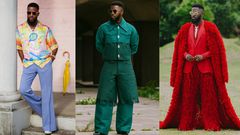
Akin Faminu stunned style critics and fans alike with a head-turning crimson ensemble from Orange Culture’s SS26 collection. This standout moment was more than just an outfit—it was a powerful symbol of the rising dialogue around modern masculinity and expressive creativity in African fashion.
The sleeveless, body-skimming shirt and its oversized, flowing scarf moved gracefully, accentuating his frame and echoing the unpredictability of the Lagos breeze or Parisian flair. Paired with wide-leg trousers in matching vibrant red, the look provided an illusion of height and authority, catching the eye and sparking new conversations around proportion in men’s styling.
Attention to detail further set this look apart. The heart motif on his chest subtly introduced vulnerability—a gentle reminder that power and sensitivity can coexist. Accessories, including gold-rimmed sunglasses, a minimalistic chain, layered necklaces, and a bold gold watch, delivered a fusion of charm and poise. The finishing touch—a red fringed woven bag—added playful depth, a testament to how tactile elements can elevate an entire ensemble.
Satin Sophistication: Mint-Green Marvel
During a pivotal week in the fashion capital, Akin embraced a refined yet daring pale-green satin wrap top from Fruche’s SS25 collection. According to design analysts in Lagos, this piece was “a nod to both West African aesthetics and global runway innovation.”
The statement wrap, anchored with a dramatic belt cascading toward his shoes, floated above a delicate mesh T-shirt, blending transparency and structure to project both approachability and edge. Below, flared trousers with measured thigh cut-outs complemented the loose flow of the upper half, suggesting a controlled rebellion. The entire look communicated confidence, ease, and a willingness to experiment—an ethos more young Nigerian men are reportedly embracing, according to Lagos-based style commentator Kamsi Okonkwo.
Emerald Energy: Tailoring with Presence
In another sartorial triumph, Akin took on a commanding emerald-green suit from I.N. Official’s SS25 collection. Local fashion editors have described this look as “an instant classic, full of quiet power.”
The double-breasted jacket, draped over a coordinated utility shirt and tailored flared trousers, featured defined, precise lines reminiscent of architectural blueprints. Elegant fringe at the hem created a rhythmic movement—a subtle but significant detail that local designers say is rooted in Nigerian storytelling through fabric.
Golden statement rings, aviator sunglasses, and polished black boots rounded off the outfit, conveying strength even in silence. According to industry insiders, the choice of deep green was intentional: it calls to mind prosperity and stability—a nod to values celebrated by older and younger generations alike.
Cultural Nobility: Edo Royalty Reimagined
Perhaps one of Akin’s most inspiring moments came in the form of his “Edo Odion” ensemble by OSH—a look many stylists cite as exemplary of his ability to unite heritage and haute couture.
A floor-skimming coat—rich with regal undertones—cascaded lightly over voluminous, fur-textured trousers. Topped off by a striking red blazer, he channelled the dignity and pride of ancient Edo rulers. According to historical stylists, the blend of modern tailoring with the deep reds of traditional Edo regalia spoke to both heritage preservation and innovation.
Every chosen texture, from the plush trousers to the crisp coat, was a love letter to Nigeria’s craftsmanship legacy. This look, reportedly inspired by Edo imperial style, served as a reminder that Africa’s traditional narratives continue to shape and inspire contemporary fashion statements globally.
Retro-Modern Fusion: Silk and Sky-Blue Statements
For one of his most colourful forays, Akin donned a vivid Casablanca silk shirt paired with sky-blue flared pants—a playful, retro nod to the 1970s yet topped off with unmistakable modern luxury. Industry observers noted that this look “captured a sense of nostalgia while staying firmly in the present.”
The silk shirt, adorned in soft pinks, yellows, and greens with whimsical, art-inspired brushwork, evoked easy confidence and fun. The sharply cut, high-waisted pants brought contemporary structure, highlighting how vintage influences can thrive in modern men’s style. According to fashion educator Uche Enemuo, “it’s a balancing act that resonates with African and international audiences alike—familiar, but bold.”
For West African trend-watchers, the real masterstroke lay in the styling. Minimalist sunglasses framed his features, white trainers kept the ensemble youthful, and a punchy yellow umbrella introduced a playful, almost cinematic vibe. Set against a blush-toned architectural backdrop, the outfit resonated deeply with viewers who appreciate colour as a storytelling tool.
Akin Faminu’s influence extends beyond personal style choices; he is part of a wider revolution occurring in African fashion, where self-expression is embraced and limitations are constantly challenged. The five looks above are more than trending moments; they are emblematic of a shifting landscape where culture, gender, and aesthetic boundaries blend and blur.
Analysis from local fashion academic Dr. Temitayo Ogun suggests that younger Nigerians, and even peers across West Africa, feel increasingly empowered to experiment with wardrobe choices. She notes, “Social media, more accessible global fashion dialogue, and local icons like Akin are accelerating a movement of unapologetic style and narrative dressing.”
As contemporary style in Nigeria finds new life through vibrant colour, bold silhouettes, and storytelling fabrics, practitioners like Akin Faminu prove that fashion here is as much about substance as it is about spectacle. Whether on the Lagos shoreline, the streets of Paris, or a digital feed across the continent, the vision is clear: men’s fashion is a space for creativity, ambition, and redefinition.
Is this the future of African men’s style? Weigh in—what look inspired you most, and how do you see Nigerian fashion changing the global narrative? Drop your thoughts in the comments and stay connected for all our latest coverage.
Have a fashion story, local trend, or style tip you’d like to share or sell? Get featured by emailing us at story@nowahalazone.com.
For updates, behind-the-scenes, and more style coverage, follow us on Facebook, X (Twitter), and Instagram.
If you’ve got an inspiring fashion journey or want us to spotlight your fresh take on style, send us your story idea today!