
When it comes to lunchtime options that balance nutrition, heartiness, and taste, many Nigerians and West Africans are exploring creative ways to make healthy eating more exciting and accessible. One such recipe making waves globally and now locally is a vibrant barley salad adapted from the influential How Not To Age cookbook by Dr Michael Greger, a figure well-regarded for his research-backed approach to aging and disease prevention. With a reputation established through books like How Not To Die and How Not to Diet, Dr Greger’s culinary philosophy emphasizes affordable, easily accessible, and nutrient-rich foods. In today’s demanding world, these qualities resonate strongly with West Africans seeking practical but flavourful recipes.
Tip from the book: This barley salad adapts easily to whatever you have! Enjoy it slightly warm, at room temperature, or chilled from the fridge. If you can’t find goji berries at your local market, try dried acai berries or, as many Nigerian cooks might do, substitute with finely diced dates or dried mango for a local twist.
How Not to Age by Dr Michael Greger, MD
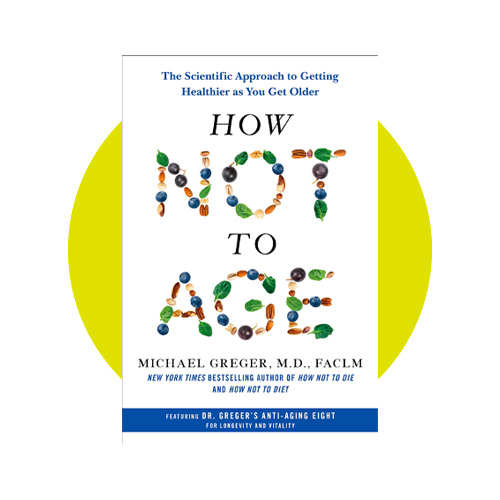
In How Not to Age, Dr Michael Greger—who is known internationally for his work in nutrition and public health—lays out the science behind aging and non-communicable illnesses, issues increasingly relevant as Nigerians live longer and seek healthier lives. Greger unpacks the eleven cellular pathways contributing to aging, and suggests targeted nutritional changes designed to guard against common illnesses like diabetes and heart disease. While these diseases are often associated with Western contexts, Nigerian Ministry of Health data shows non-communicable diseases are a growing burden in cities like Lagos and Abuja. As Dr Greger puts it, unlocking the secrets to lifelong wellness lies as much in simple, daily choices as in medical interventions.
Known for combining myth-busting research with practical guidance, Dr Greger breaks down evidence on anti-aging diets. According to his analyses, changing just a few ingredients on your plate can not only prolong life but also improve everyday quality—keeping both body and mind sharp. His latest book, How Not to Age, offers actionable strategies, from diet to lifestyle, helping readers everywhere—including in West Africa—adapt its lessons for local realities.
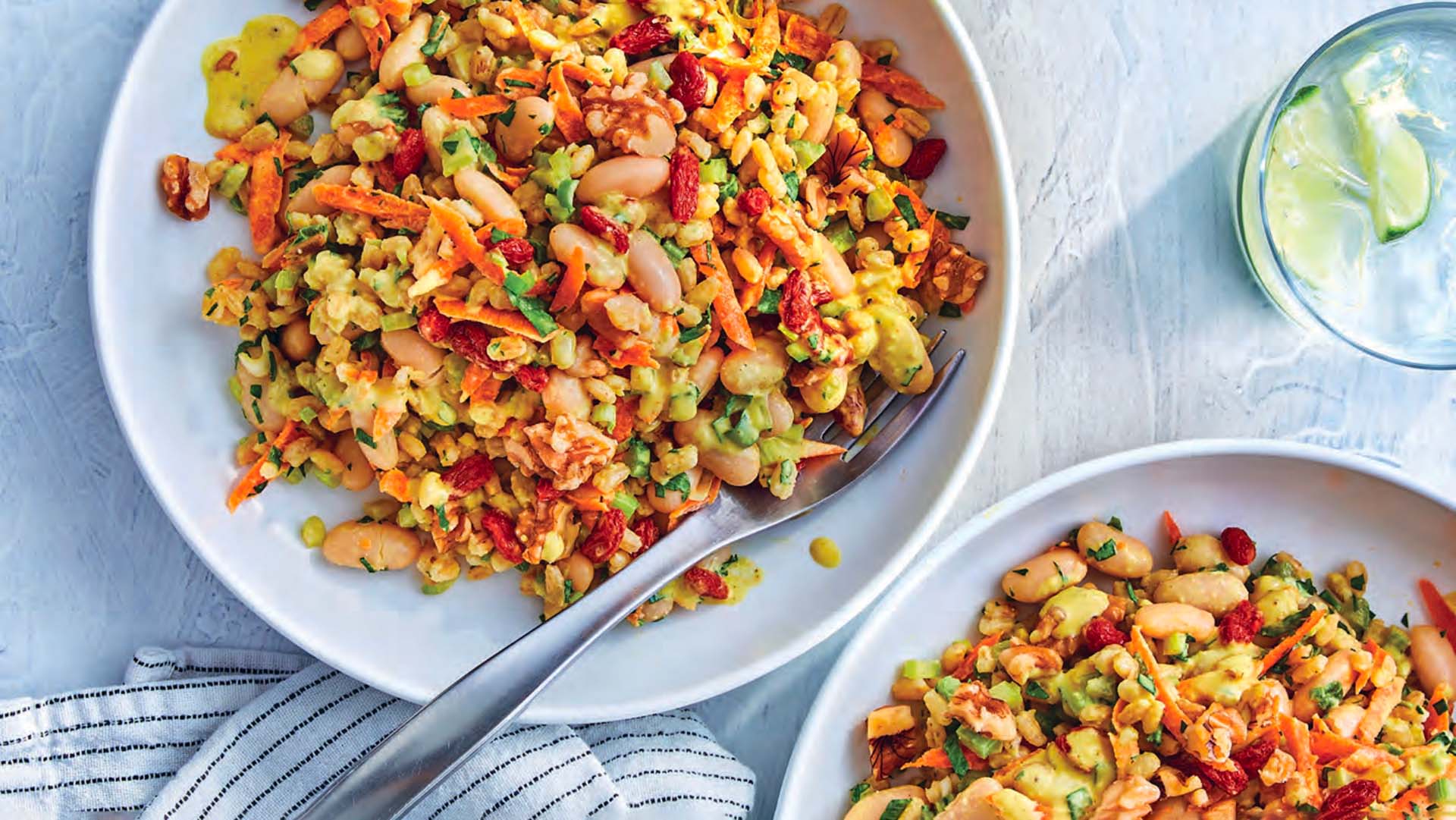
Barley Salad With Creamy Tahini Dressing
For many West African households, barley is not as common as rice or millet. However, this overlooked grain brings a fantastic chewy texture and is packed with fiber, protein, and micronutrients. In Dr Greger’s recipe, the barley stands out, complemented by a creamy tahini dressing. This salad is proof that eating well does not have to mean sacrificing enjoyment. Imagine a meal that feels indulgent, yet is designed to keep you energised throughout your busy afternoon—whether you’re headed to work in Victoria Island, teaching in Accra, or running errands in Abuja’s bustling markets.
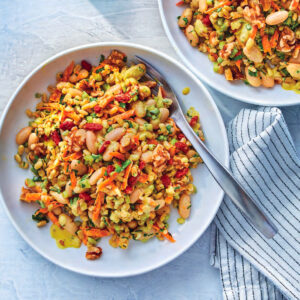
Barley Salad With Creamy Tahini Dressing
Equipment
-
1 Saucepan
-
1 Blender/Food Processor
Ingredients
Salad
- 1 cup hulled barley (barley groats) rinsed well and drained
- 1½ cups salt-free white beans, home-cooked or from BPA-free cans or Tetra Paks drained and rinsed
- 1 cup finely chopped celery
- 1 large carrot grated
- 3 spring onions (green and white parts) finely chopped
- ¼ cup dried goji berries soaked in hot water for 10 minutes, then drained
- ½ cup pecan or walnut pieces coarsely chopped
- ⅓ cup finely chopped fresh parsley
Dressing
- 3 Tbsp tahini
- 1 large garlic clove crushed
- 2 Tbsp rice vinegar
- 1 Tbsp fresh lemon or lime juice
- 1 Tbsp nutritional yeast
- 2 tsp white miso paste
- ¼ tsp ground turmeric
- ¼ tsp ground pippali or black pepper
Instructions
For The Salad
-
In a saucepan, bring 700ml (3 cups) of water to a boil. Add the hulled barley.
-
Lower the heat to medium-low. Cover and simmer until the hulled barley are tender but slightly chewy, 40 to 45 minutes.
-
Drain well and place in a serving bowl.
-
To the bowl, add the beans, celery, carrot, spring onions, goji berries, pecans, and parsley, then set aside.
For The Dressing
-
In a small blender or food processor, combine the tahini, garlic, vinegar, lemon juice, nutritional yeast, miso paste, turmeric, pippali, and 2 tablespoons (30ml) of water.
-
Blend until smooth, adding more water if needed, 1 tablespoon at a time, until the desired consistency is reached.
-
Pour the dressing onto the salad, toss to combine, and serve.
Notes
Need Food Prepping Ideas? Try These 5 Easy Salad Recipes:
- We Took TikTok’s Viral Dense Bean Salad And Made It Low Calorie
- Make This Charred Mango and Steak Salad While Mangoes Are Still In Season
- A Hearty Roasted Salad You’ll Turn To All Summer Long
- Grilled Romaine Lettuce, Sumac-Tahini Yoghurt and Pomegranates Salad
- A Punchy, Citrusy Salad To Usher In Spring
Across Nigeria and Ghana, interest in healthy living and wellness is rising. According to Abuja-based nutrition coach Nneka Okonkwo, “People are looking for ways to increase fibre and nutrient intake without relying solely on imported superfoods.” Barley—though uncommon in traditional Nigerian cuisine—is increasingly available in urban supermarkets, especially in cosmopolitan Lagos. Adapting recipes like Dr Greger’s salad lets locals discover new ways to use international grains, blending them with beloved ingredients like beans and carrots.
Some home cooks choose locally abundant nuts such as cashews or groundnuts instead of the suggested pecans or walnuts, adding a West African crunch. If rice vinegar or miso isn’t accessible, apple cider vinegar and a dash of soy sauce or fermented locust bean paste (iru/dawadawa) offer authentic alternatives. These small tweaks keep the health benefits of the dish while making it easy and affordable to prepare.
Despite current inflationary pressures and rising food prices, experts note that building a healthy meal plan is still possible with creative planning. According to the Nigerian Heart Foundation, swapping red meat for legumes and whole grains is linked to lower cardiovascular risk—an issue of increasing relevance as diets westernize in major African cities.
Globally, the appeal of African-inspired healthy bowls is growing, with Western chefs referencing African grains, pulses, and vegetables in their menus. By experimenting with barley, Nigerians can both improve their diets and contribute to this international food movement, giving familiar beans and greens a new role alongside global flavours.
However, not everyone is convinced that Western-style salads are the solution to local nutrition challenges. Some critics argue that these dishes, popularised by international media, can alienate those who rely on indigenous grains like millet and maize. Nutritionist Dr. Kofi Addo from Accra points out, “The healthiest diet is one you can sustain using ingredients available at your local market or farm.” While innovative recipes are valuable, integrating them with local staples—rather than replacing them—is the key.
So, whether you’re making Dr Greger’s barley salad with imported grains or adapting it to feature millet, sorghum, or local beans, the real win is in creating diverse, nutrient-packed meals that are both delicious and affordable.
Have you tried barley or experimented with creative salads using locally grown produce? What adaptations have worked best for your family or community? Which ingredient swaps do you recommend for Nigerian and West African kitchens?
Share your tips, recipes, and experiences in the comments below. We’d love to hear about your kitchen successes and even your delicious mistakes! If you have a food story, family recipe, or culinary innovation you want to share (or sell), let’s put African ingenuity on the map—contact us at story@nowahalazone.com.
Are you passionate about food or have a unique recipe from Nigeria, Ghana, or anywhere in Africa? Share your culinary stories, food hacks, and tasty experiments with our vibrant community! If you want your recipe featured, or you have a story or photo to sell, email us at story@nowahalazone.com. For general support or questions, reach out at support@nowahalazone.com.
Stay connected with more food inspiration, wellness tips, and kitchen creativity by following us on Facebook, X (Twitter), and Instagram!