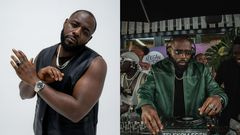

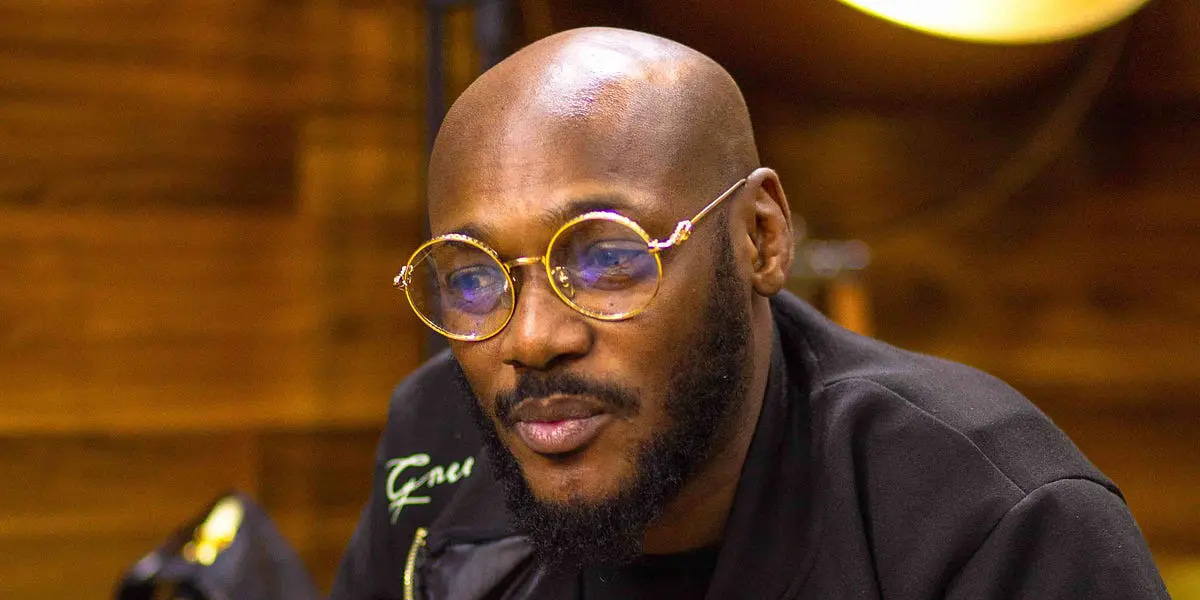
What happens when one song shapes your destiny—and haunts your every step? For many Nigerians, Afrobeats icon Innocent Idibia, better known as 2Face or 2Baba, needs no introduction. But behind every hit track lies a story that few see. In a nation where music weaves through the very fabric of our lives, “African Queen” stands out—not just for its sweet melody, but for the bumpy journey it took and the debate it still sparks in every corner, from Lagos drinking joints to Sunday afternoon radio shows.
“African Queen” and the Spark That Lit Afrobeats
Everyone remembers the first time they heard “African Queen.” Maybe it was at a wedding reception, or on a Danfo with the radio blaring. Regardless, the tune felt like a love letter to the continent, celebrating African beauty with lyrics grounded in sincerity. According to 2Face, this was the song that “sparked his career,” thrusting him from promising young artiste to continental superstar. The track, released in 2004, didn’t just break records—it broke barriers. Not long after, 2Face became the first African artist to clinch wins at the BET, MTV Europe, and MOBO Awards, putting Nigerian music squarely on the global stage.
But even as “African Queen” wrapped 2Face in the adoration of millions, it became a load to carry. “African Queen has been a very huge blessing, and e come turn to problem join for me. But I am grateful for everything,” he revealed on a recent episode of a major Entertainment & Lifestyle show. His words expressed both deep gratitude and the sort of heavy responsibility that sometimes comes from early success. Sounds familiar? For many Nigerians who rise quickly in business, sports, or entertainment, that “blessing and burden” cycle is almost an old friend.
Controversy: Who Truly Owns “African Queen”?
Yet, as every Lagosian knows, Naija gist never ends. Within months of its release, whispers started around who really authored “African Queen.” 2Face’s ex-band mate from the Plantashun Boiz era, Blackface, repeatedly claimed that the song’s magical hook was originally his idea, and that 2Face allegedly “stole” the song after they parted ways. It’s the kind of controversy that would have set social media on fire if Twitter had been big in 2004.
2Face, however, has consistently pushed back, explaining in earlier interviews that the song was a collaboration among former bandmates. He acknowledges that the roots of “African Queen” stretch back to their Plantashun Boiz days. In his words, he never “stole” anything—highlighting just how messy creative partnerships can get when fame comes knocking. Even nearly 20 years on, this back-and-forth still divides passionate fans and music industry observers. Some see it as a cautionary tale about handshake deals and trust, especially where creative ownership is concerned in Nigeria’s bustling music scene.
Legendary Status, Global Recognition
What gives “African Queen” its legendary aura, though, isn’t just the controversy—it’s the impact. The song’s reach now stretches from Ajegunle to Atlanta and everywhere afrobeats is celebrated. In August 2025, things took another dramatic turn. Billboard named “African Queen” the greatest Afrobeats song of all time—an explosive ranking that both thrilled and shocked fans across the continent. For up-and-coming musicians hustling in Oshodi or Port Harcourt, 2Face’s journey proves that a Naija boy can storm world charts without losing his roots.
With streaming platforms making Nigerian music a global force, the relevance of “African Queen” keeps growing. Across Africa, artists now cite 2Face as a mentor—someone who showed that an Afrobeats anthem, born in a modest studio, can make history. Still, while international media like Billboard heap praise, many Nigerians watch the song’s ongoing debate like a favourite soap opera. It poses questions about authorship, recognition, and the way African creativity sometimes gets complicated by old friendships and unwritten rules.
What Makes “African Queen” So Special for Nigerians?
Why does this song cut through generations and continents? For one, its lyrics highlight the beauty and resilience found all over Africa. For many Nigerian women, “African Queen” is a crown—an ode that makes them shine whether they’re selling wares in Balogun Market or studying at UNILAG. For the men, it’s a rallying point—reminding them of first love, cultural pride, and how music brings us together, whether rain or shine.
Even now, more than two decades after it dropped, “African Queen” is danced to at “owambe” parties from Ibadan to London. It’s played on Independence Day, at school reunions, on radios during hot June evenings, and has inspired fashion designers, filmmakers, and even politicians.
The Price of Success: Blessing or Burden?
Yet, success is never simple in Nigeria’s music industry. As industry analyst Temi Ogunsola noted, “There’s a cultural expectation that artists must always top their previous work. For 2Face, ‘African Queen’ became the mountain to climb. Fans wanted more, but that single song was already a whole movement.” According to Ogunsola, young artists coming up face similar pressure, with their first hit sometimes becoming both a signature and a shadow.
- Global Afrobeats Boom: Billboard’s recognition has set a new standard for Afrobeat musicians worldwide.
- Cultural Ownership Issues: Blackface-2Face saga highlights legal and ethical issues in the Nigerian music industry.
- Evergreen Appeal: The song’s cross-generation relevance underscores the enduring power of African stories when authentically told.
Looking Ahead: Lessons for the Next Generation
Will another song ever capture the hearts of Africans quite like “African Queen”? Maybe. But the challenges—creative rights, collaboration etiquette, and managing explosive success—will always be part of the story.
As Afrobeats continues to rise, the “African Queen” story should be taught in every music studio and university classroom from Yaba to Cape Town. The song’s legacy isn’t just about who sang or wrote it—it’s about what it means to claim, celebrate, and protect African creativity. The “wahala” may never completely end, but it’s proof that our stories matter, both at home and on the global stage.
What do you think—is “African Queen” truly the greatest Afrobeats song of all time? Or does the controversy change how you feel about it? Drop your thoughts in the comments and let’s keep the conversation fresh like new garri!
Want your take featured on the hottest Naija entertainment gist? Have a behind-the-scenes story or personal music experience to share? Email us at story@nowahalazone.com—your story could be our next headline!
Connect with the vibe: Follow us on Facebook, X (Twitter), and Instagram for the latest entertainment, lifestyle, and Afrobeats updates.